
Antique Spirit Glass
These antique spirit glass items bring historic weight to a home bar, offering genuine period character through heavy lead crystal and mounted decanters.
Antique Spirit Glass
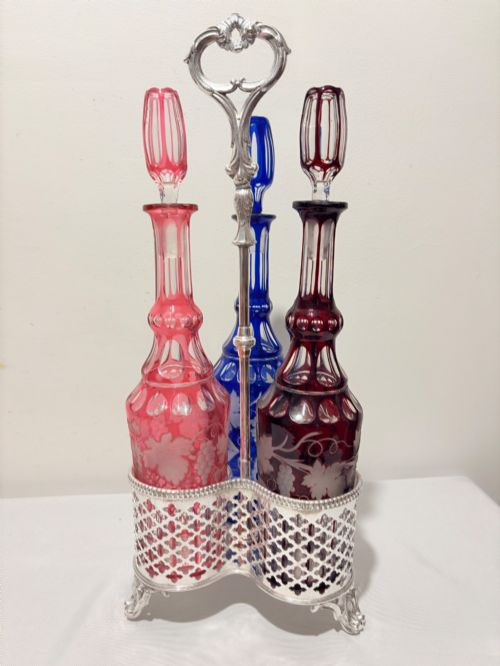
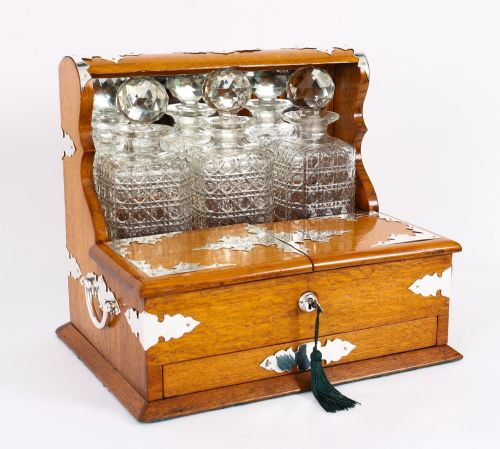
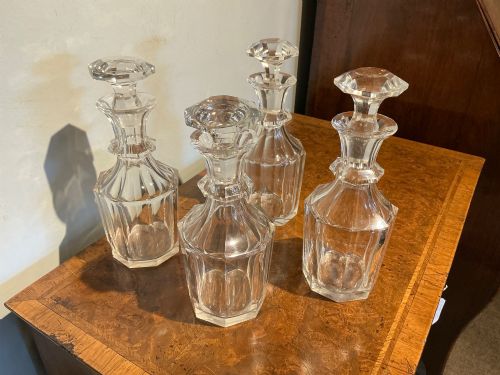
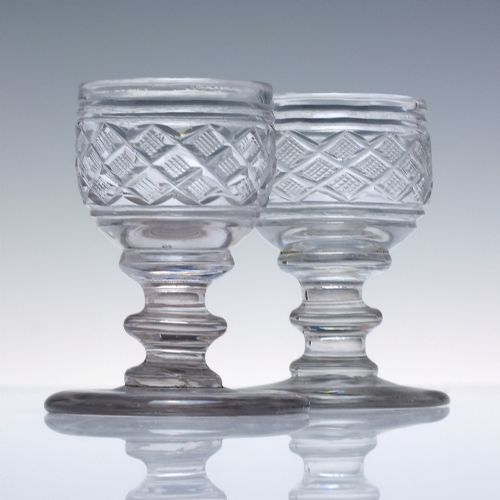
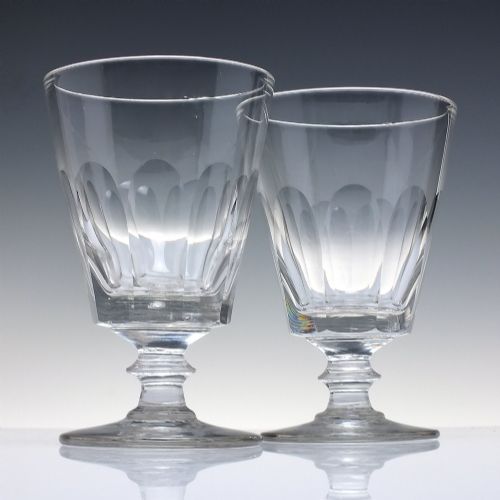
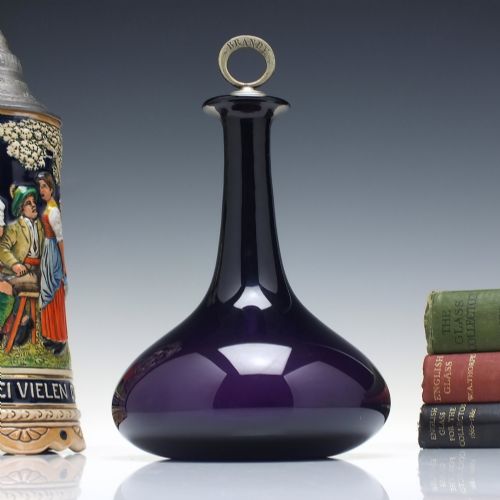
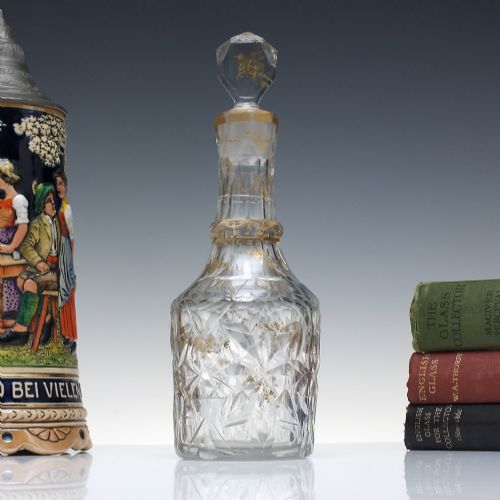
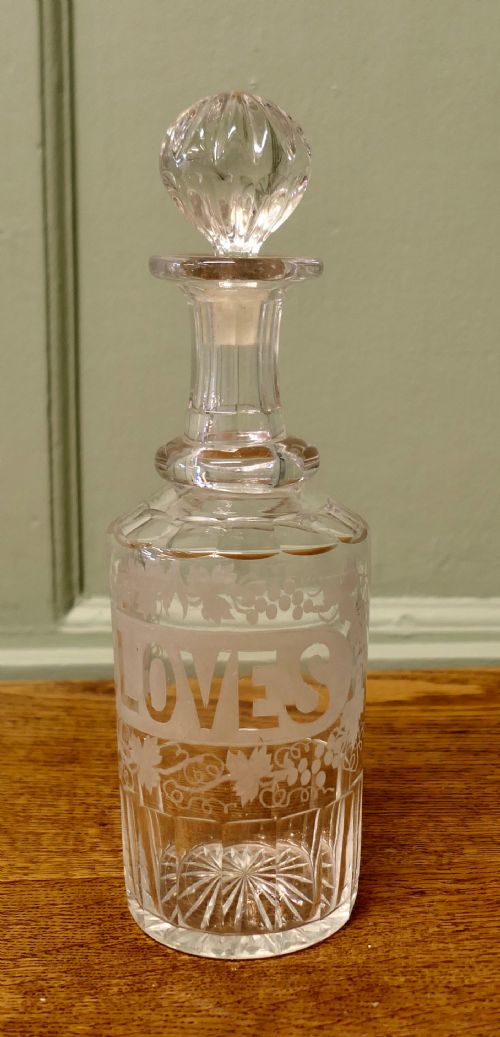
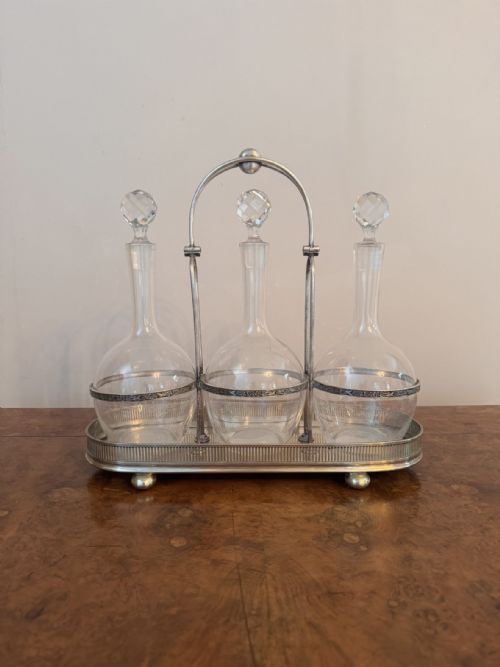
When you search for antique spirit glass, you encounter vessels designed for the containment and serving of strong liquors across the eighteenth, nineteenth, and early twentieth centuries. The most common forms on this page are decanters, spirit barrels, whiskey noggins, and locking tantalus sets housed in oak or mahogany.
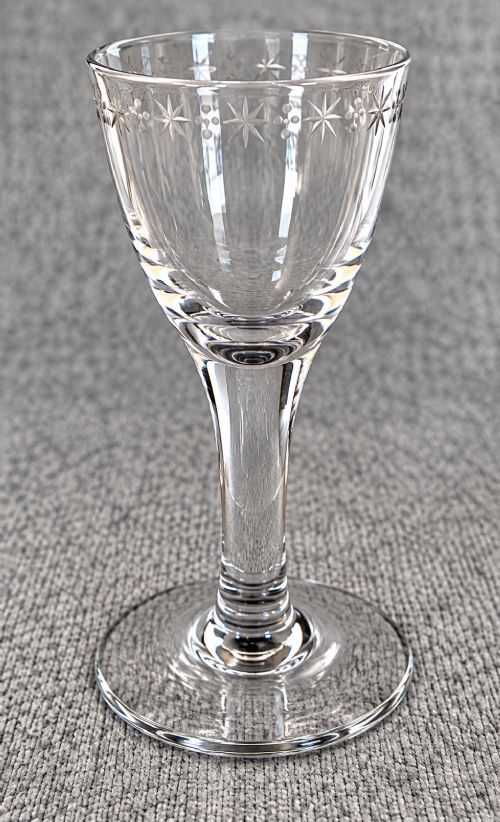
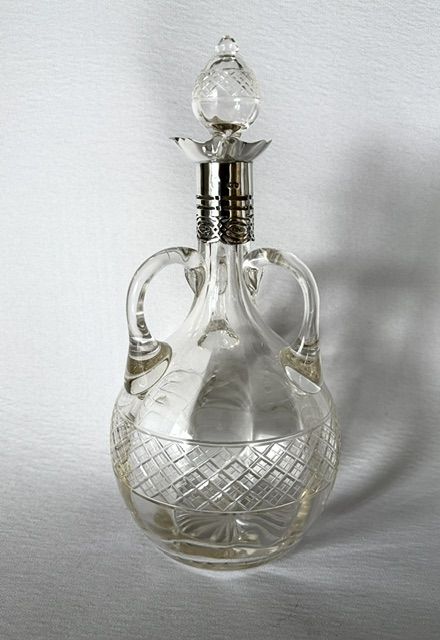
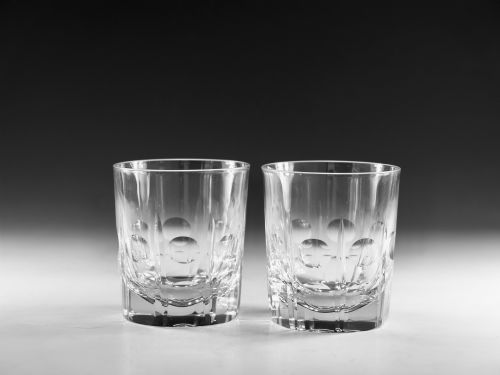
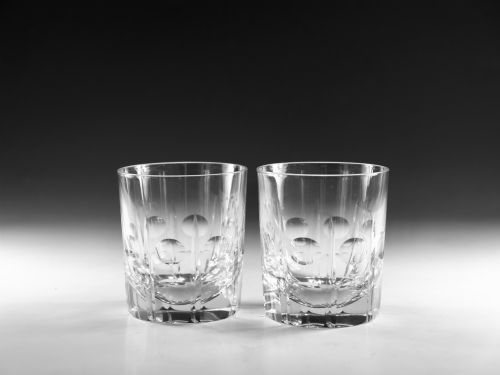
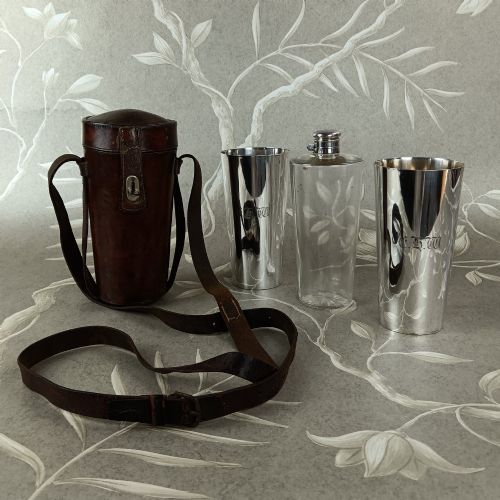
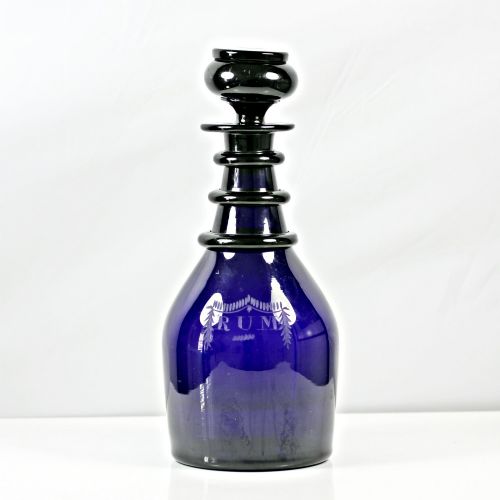
The selection ranges from George III shaft and globe carafes to Victorian Bristol blue rum decanters and Edwardian silver-collared bottles. Alongside these stand smaller dram glasses, rummers, and personal flasks intended for direct consumption.
Originating predominantly from English, Irish, and Bohemian workshops, these pieces trace the evolution of domestic barware from Georgian dining tables to late Victorian campaign sets and Edwardian smoking rooms.
Materials and Craftsmanship
The primary material is lead crystal or cut glass, shaped by blowing into moulds or free-blowing before undergoing deep wheel-cutting to create facets, flutes, and hobnail patterns. Makers achieved deep brilliance and heavy weight through high lead content in the molten metal.
Mounts, collars, and hinged locking frames incorporate sterling silver, silver plate, and durable hardwoods such as oak, coromandel, and blonde oak. Artisans secured these metal elements with precision hallmarked hardware and fitted keys for security.
Assessment of Quality
Quality rests upon the crispness of the glass cutting, the weight of the metal mountings, and the integrity of the fitted wooden framework. Superior examples display sharp, well-defined facets without softness or rounding in the wheel work.
The presence of original stoppers that match the neck accurately separates average items from finer survivals. In tantalus sets, the smoothness of the mechanical action and the clarity of the hallmarked silver elevate the piece.
James Dixon And Sons·Betjemann·James Giles
The Antique Spirit Glass Glossary
- Tantalus
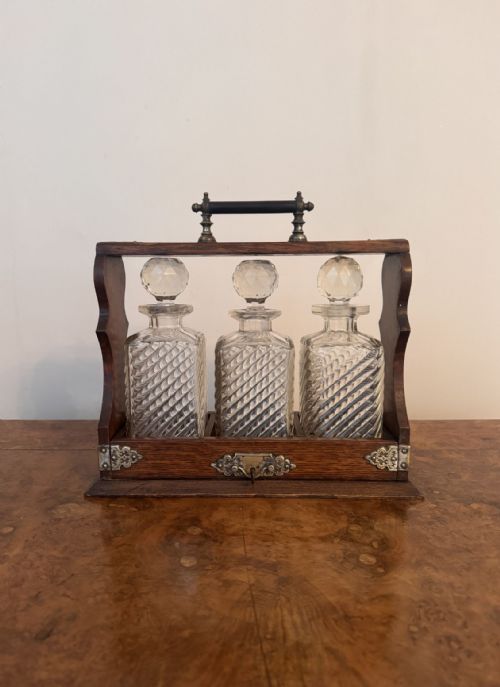
- A locking wooden frame that holds decanters securely while displaying the bottles and preventing unauthorised access to the spirits within. It typically requires a key to release the top bar.
- Noggin
- A small vessel or miniature decanter designed for a single measure of spirits, frequently fitted with a silver lip and a stirrup-handled glass body.
- Bristol Blue
- A deep cobalt-coloured glass produced in England, highly favoured for spirit decanters during the Georgian and early Victorian eras. It helped protect light-sensitive contents.
- Rummer
- A large, sturdy drinking glass popular in the eighteenth and nineteenth centuries, utilised for robust drinks like rum and ale. They often feature short stems and generous bowl capacities.
- Shaft and Globe
- An early decanter form featuring a long slender neck above a bulbous spherical body, typical of eighteenth-century styles.
Antique Spirit Glass: Frequently Asked Questions
How do I date an antique decanter?
Dating relies on bottle shape, pontil marks on the base, stopper design, and manufacturing techniques such as three-ring mould blown necks. Hallmarks on silver collars provide precise assay office years for later pieces.
Earlier eighteenth-century vessels show rough snapped pontils and wider bases, while Edwardian pieces often feature uniform machine-cut facets and stamped silver mounts.
What is a tantalus used for?
A tantalus secures expensive spirits away from servants or guests while keeping them visible on a sideboard or desk. The locking mechanism holds the stoppers in place so the bottles cannot be removed.
Originating in the Victorian era, these locking frames were commonly fashioned from oak or coromandel and lined with velvet.
Are these glass pieces safe for daily use?
Most antique crystal decanters and barware function adequately for serving modern spirits, provided they are washed by hand in lukewarm water. Extreme temperature changes can crack old glass.
Avoid dishwashers and harsh scrubbers that might damage the surface polish or historic lead crystal structure.
How can I tell Irish cut glass from English?
Irish glass from the Georgian and Regency periods generally exhibits a heavier weight, a deeper, more resonant ring when struck, and a slightly darker hue with intense blue-grey refraction. The cutting tends to be exceptionally deep and sharp.
English factories produced similar styles, but Irish lead crystal achieved particular renown for its density and brilliance.