




Antique Plain Stem Glass
An antique plain stem glass carries the quiet weight of the eighteenth century in its simple vertical column.
Antique Plain Stem Glass
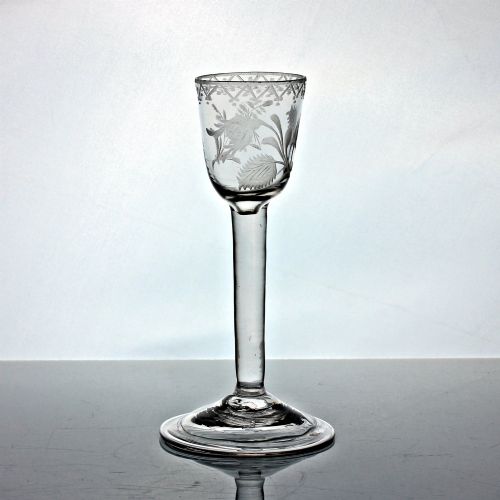
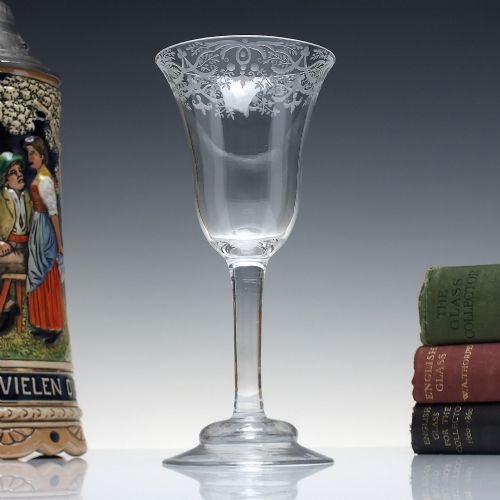
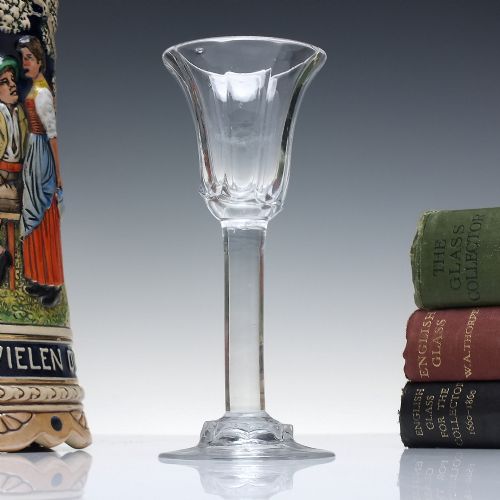
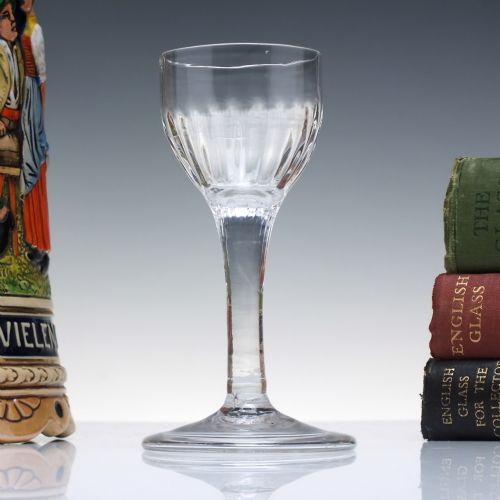
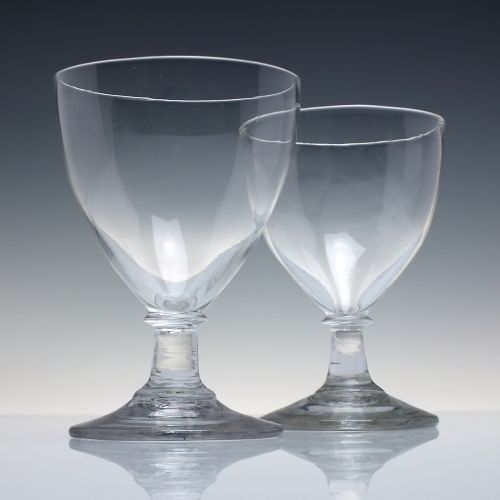
An antique plain stem glass is a piece of drinking vessel from the eighteenth century, dominated by Georgian styles produced in England. The form centres on a straight, unadorned stem supporting bowls designed for wine, ale, drams, or cordials.
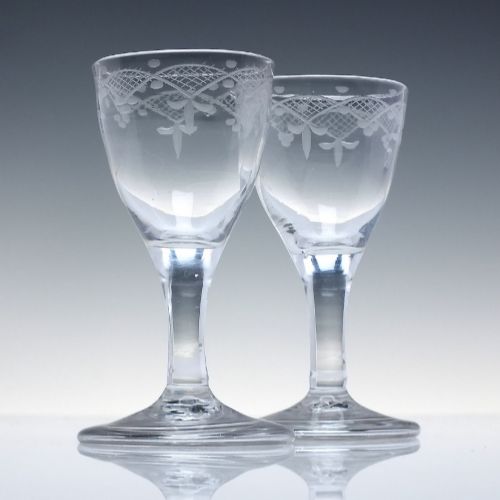
Wine glasses and goblets dominate the selection, alongside rarer firing glasses, port glasses, and dram glasses. Buyers most frequently meet wine glasses and larger goblets carrying dates spanning the middle decades of the eighteenth century.
The profile ranges from tall drawn trumpet shapes to ovoid bowls, often accompanied by folded feet or ribbing. These vessels reflect the domestic drinking habits of the Georgian period through functional glass forms.
Materials and Techniques
Makers utilised lead glass, lead crystal, and flint glass to achieve clarity and weight in each vessel. These heavy glass compositions allowed craftsmen to form sturdy stems and blown bowls without modern machinery.
Recorded periods span the eighteenth century and the Georgian era, utilising lead glass, clear glass, and flint glass.
Distinctions in Quality
The degree of optical clarity in the lead glass and the proportion between bowl, stem, and foot dictate the visual success of the piece. Superior examples display balanced weight and minimal internal impurities within the metal.
Subtleties such as the crispness of an air tear, the neatness of a folded foot, or the precision of wheel engraving separate standard tavern glasses from finer specimens intended for dining tables.
The Antique Plain Stem Glass Glossary
- Air tear
- A small bubble deliberately or accidentally trapped within the stem of the glass. This feature is common in eighteenth-century drinking vessels.
- Folded foot
- The rim of the foot is turned underneath to create a thickened, rounded edge. This technique added strength to the base of the glass.
- Flint glass
- An early English term for clear lead glass possessing high refractive qualities. It was developed to give brilliance to tableware.
- Firing glass
- A heavy-footed glass used by Masonic lodges or dining clubs for hammering on tables instead of toasting. The thick base absorbed the impact.
- Dram glass
- A small vessel designed for drinking a single measure of spirits. They frequently date to the mid-eighteenth century.
Antique Plain Stem Glass: Frequently Asked Questions
How do I identify an eighteenth century plain stem glass?
Look for the characteristic heavy lead metal and the straightforward unfaceted stem connecting the bowl to the foot. Many examples will show a pontil mark on the underside of the base.
Examine the proportions and the method of manufacture, such as a folded foot or an enclosed air tear, which point towards Georgian glasshouse practices.
What drinks were served in these glasses?
These vessels were created for the various alcoholic beverages consumed during the Georgian era, including wine, ale, port, and cordials. Different bowl shapes accommodated the specific volume and character of each drink.
Smaller capacities suited potent spirits or drams, while taller goblets held ale or larger portions of wine at the table.
Are these glasses safe to use today?
While these items are historic artefacts, many people still enjoy handling and using eighteenth-century glassware for special occasions. Hand washing in warm water is essential to protect the fragile old metal.
Avoid sudden temperature changes to prevent thermal shock and potential cracking of the antique material.