

Lead Glass Wine Stem
A lead glass wine stem brings tactile weight and period character to the table, holding centuries of English drinking history in the hand.
Lead Glass Wine Stem
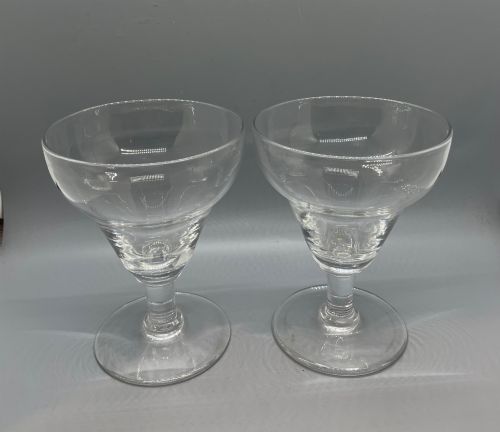
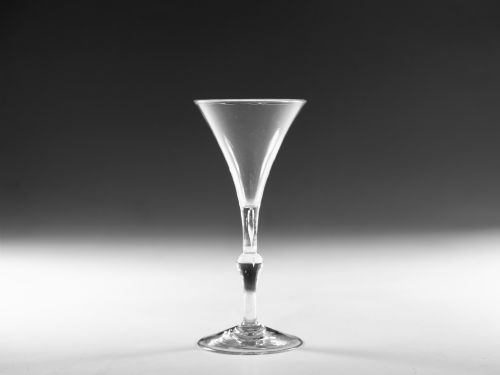
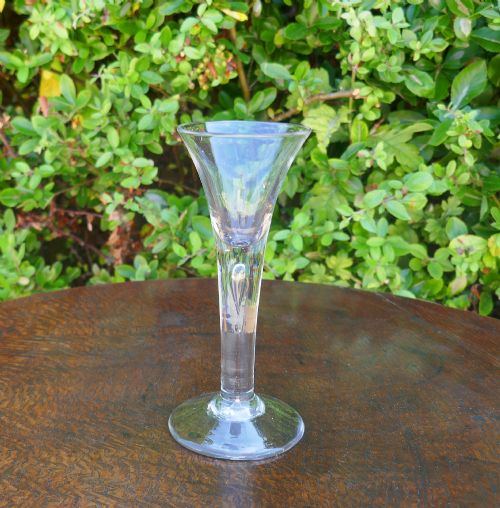
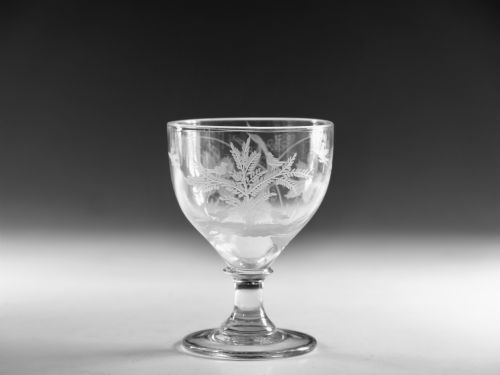
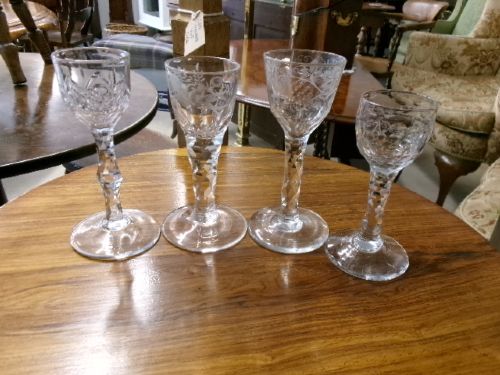
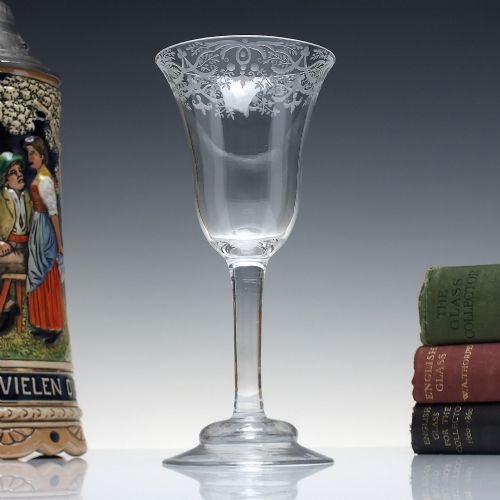
A lead glass wine stem is a drinking vessel fashioned from heavy glass, typically encountered here in Georgian and Victorian forms. When you search for this phrase, you find wine glasses, goblets, rummers, and flutes spanning the eighteenth and nineteenth centuries.
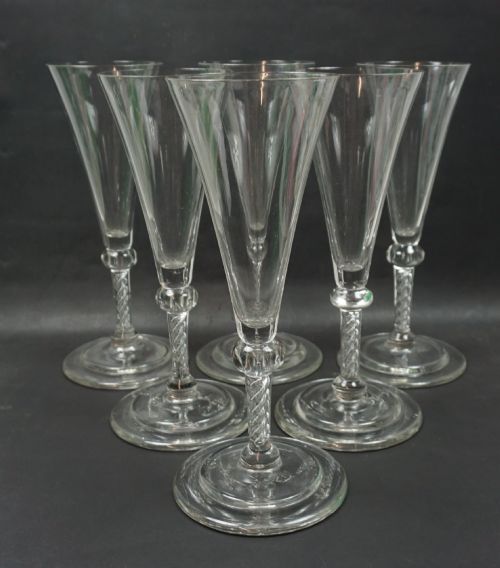
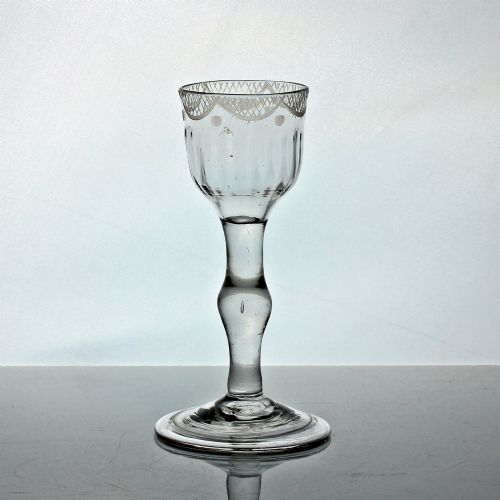
The eighteenth-century examples dominate the selections, featuring drawn trumpet bowls, balustroid stems, and intricate twist formations. Alongside these sit later Victorian rummers and drinking glasses, representing a continuous tradition of heavy glass production.
The origins span English workshops and Irish production sites, taking shapes that served everything from formal toasts to daily dining. Buyers encounter single series, double series, and multi-spiral air twists, as well as plain stems and faceted designs.
What varies in quality
The refinement of the metal and the precision of the stem formation dictate the standing of an example. Heavy lead crystal with exceptional clarity and dense internal air bubbles sits far above standard utility glass.
The dexterity required to pull a fine air twist or encase an opaque enamel thread separates standard production from masterwork execution. Balance in the hand, the crispness of facet cutting, and the formation of a domed or folded foot complete the distinction.
The listings span the eighteenth and nineteenth centuries, featuring lead glass, enamel, and flint glass across diverse forms like rummers and sweetmeat glasses.
The Lead Glass Wine Stem Glossary
- Air twist
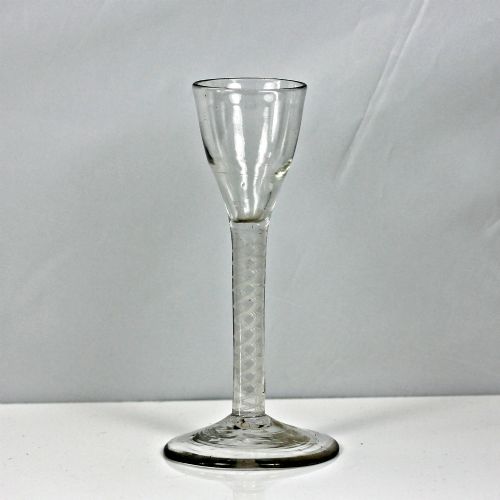
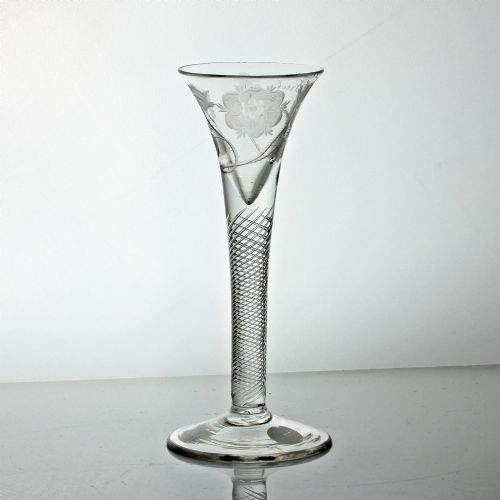
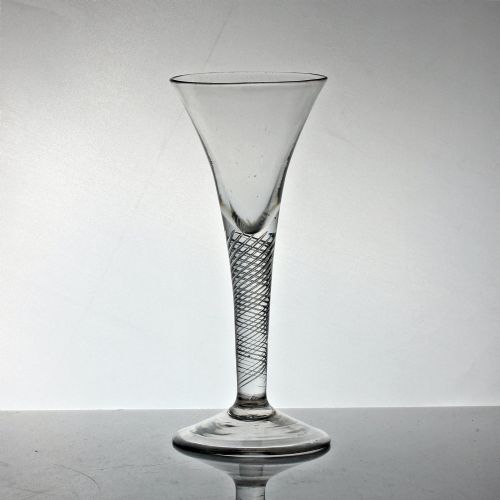
- A stem containing elongated air bubbles drawn into spirals during manufacture. This technique creates a delicate internal texture within the glass rod.
- Opaque twist
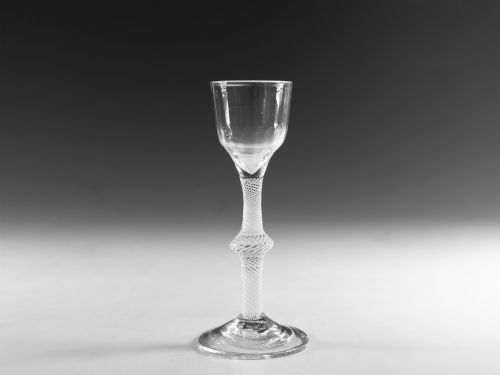
- A stem enclosing white enamel threads spun into single, double, or mixed spiral patterns. These threads contrast sharply against the clear metal of the glass.
- Baluster stem
- A heavy, swelling stem shape reminiscent of architectural balusters. These sturdy forms often feature distinct nodes and collars.
- Rummer
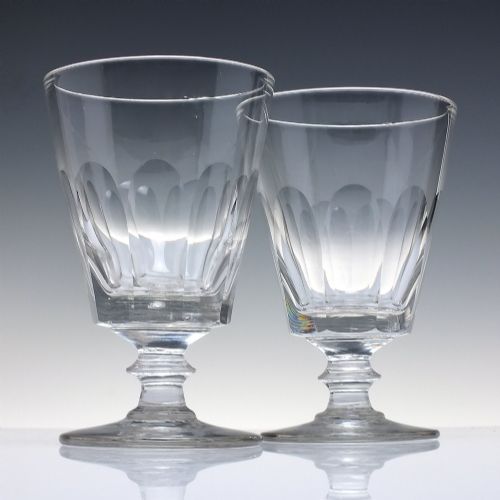
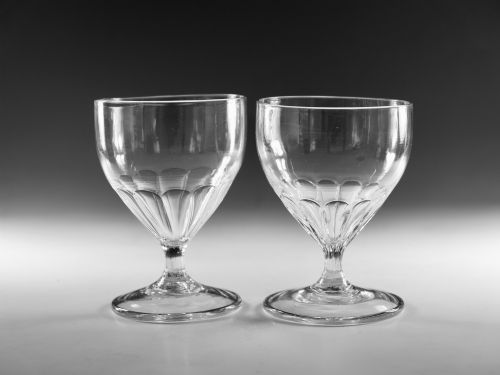
- A large, capacious drinking glass popular during the Georgian and Victorian periods. They typically rest on a short, sturdy stem with a wide foot.
- Folded foot
- A base edge turned under and pressed flat while hot to add strength to the rim. This construction detail appears frequently on mid-eighteenth-century vessels.
Lead Glass Wine Stem: Frequently Asked Questions
How do I identify a Georgian wine glass?
Examine the weight, the pontil mark on the underside of the foot, and the stem construction. Georgian pieces often display heavy lead metal and distinct manufacturing traits like folded feet or air tears.
Look closely at the bowl form and the cutting style to place the vessel within the eighteenth-century chronology. Handles, prunts, and faceted stems provide further clues to exact decades.
What is the difference between air twist and opaque twist?
An air twist contains trapped air drawn into spiral threads within the clear stem. An opaque twist incorporates solid white enamel rods spun through the glass body.
Both methods demand high skill from the glassmaker, but the opaque twist offers a stark visual contrast against the surrounding clear metal.
Can I use antique wine stems for dining?
These pieces were made for drinking and handling, possessing surprising durability due to the lead content. Hand washing in lukewarm water keeps the historic glass safe from thermal shock.
Avoid dishwashers and sudden temperature changes to preserve the clarity and prevent stress fractures in the old metal.
What distinguishes a rummer from a wine glass?
Rummers feature much larger, deeper bowls and shorter, stouter stems designed for heavier ales, punch, or wine. Wine glasses maintain slender proportions suited for smaller pours.
The wide foot on a rummer balances its substantial top weight, whereas wine stems offer a more delicate profile in the hand.
Why do some glasses feature Jacobite engravings?
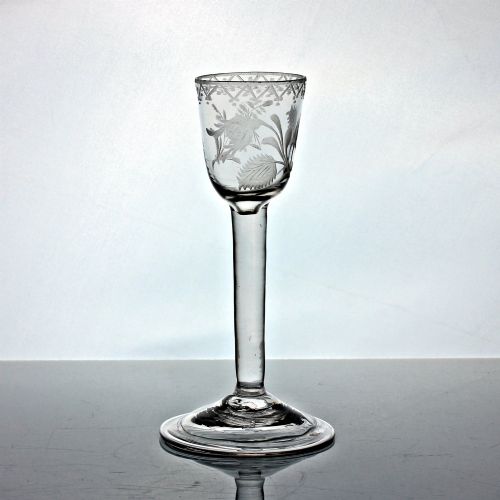
Secret societies used these vessels to toast the exiled Stuart claimants during the eighteenth century. Engravings often include hidden symbols like roses, buds, and specific Latin mottos.
These political glasses served as covert statements of loyalty among supporters who gathered in private dining rooms.