
Victorian Decorative Glass
Victorian decorative glass brings colour and texture to a room through coloured vessels, paperweights, and moulded jugs.
Victorian Decorative Glass
Victorian decorative glass covers tableware, mantel pieces, and interior display items produced during the nineteenth century. Buyers searching this phrase meet items such as cranberry glass vases, overshot water jugs, cut crystal decanters, and coloured glass liners fitted into silver-plated mounts.
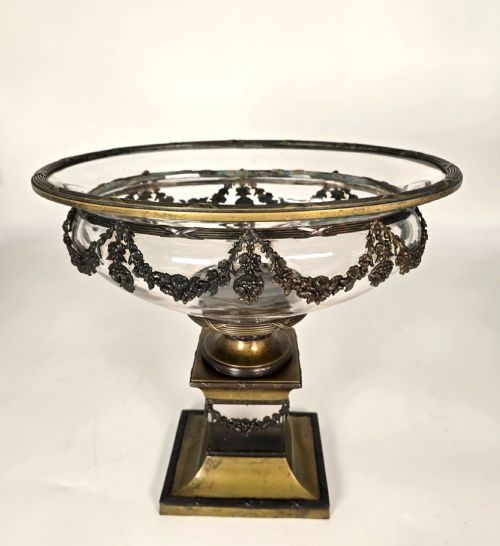
The selection ranges from smaller desk items like millefiori paperweights to larger vessels including pedestal bowls and pharmacy carboys. Many surviving examples combine glass with brass, ormolu, or silver plate to create ornamental function for the home.
Materials and production methods
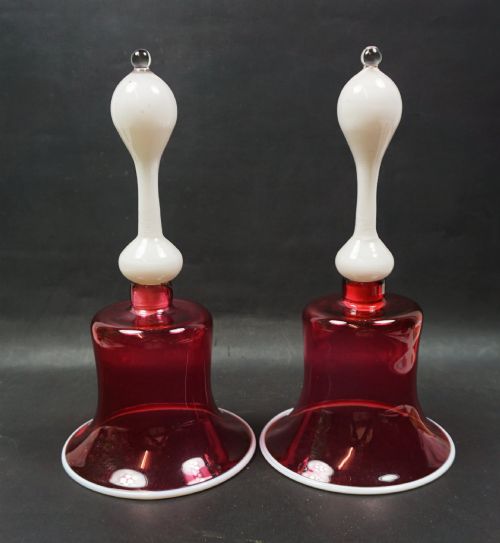
Glassmakers utilised various techniques including hand blowing, etching, cutting, and casing to achieve distinct optical effects and deep colours. Cranberry and ruby hues derived from gold chloride added to the molten batch, while opeline and white glass provided opaque contrasts for handles and rims.
Many ornamental pieces brought together multiple materials, mounting glass bodies in cast ormolu, brass, and silver-plated frames with etched or engraved detailing. Workshops also applied gold leaf, enamel work, and applied glass trails to finished vessels for added ornamentation.
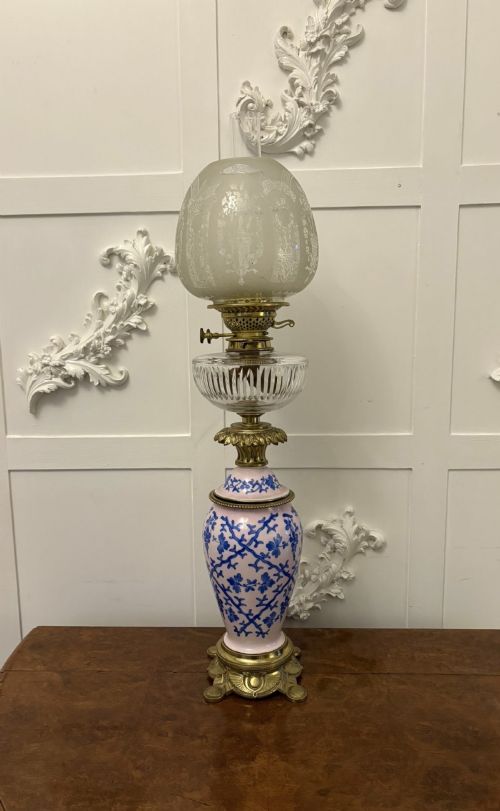
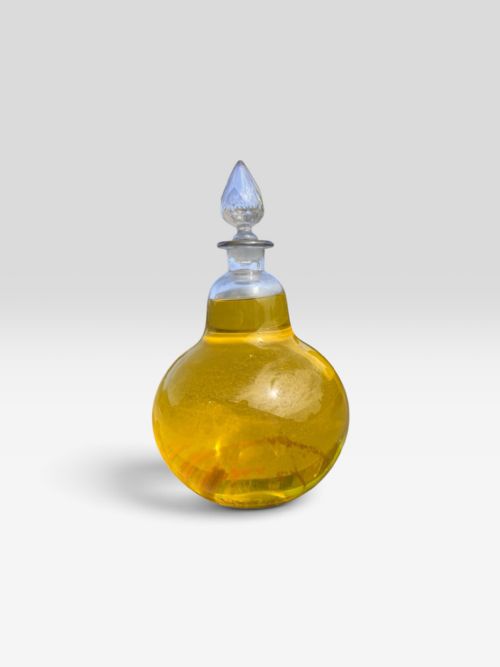
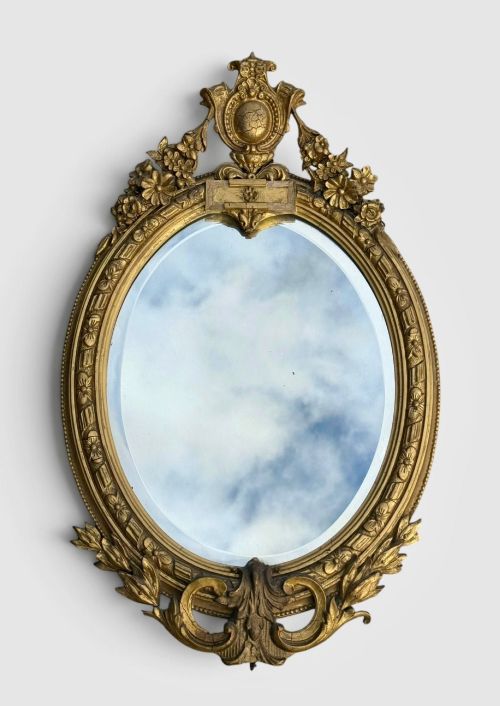
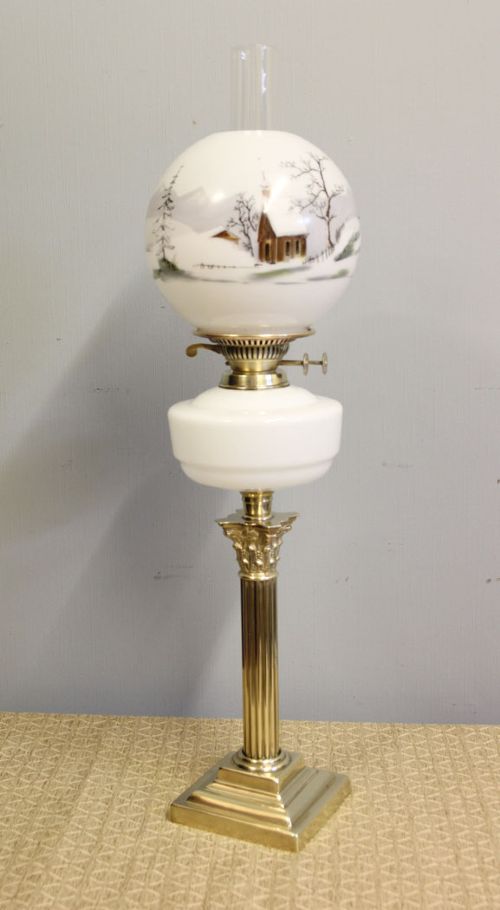
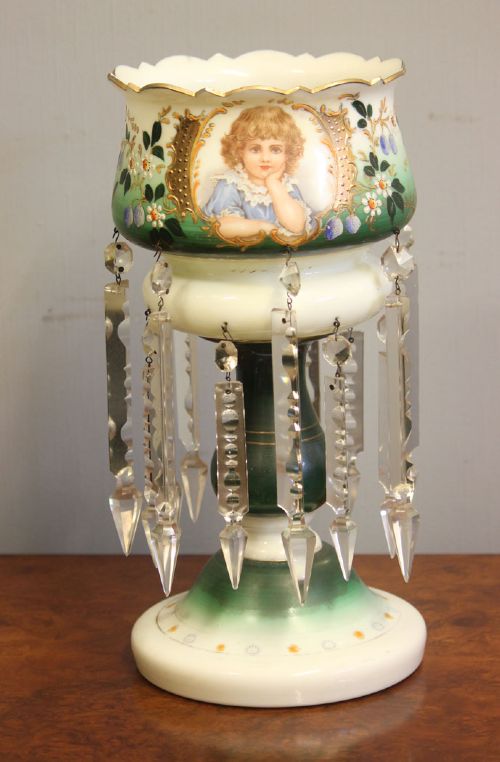
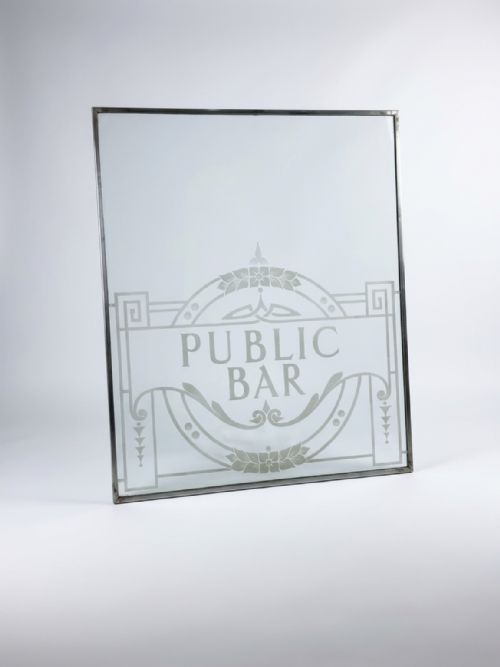
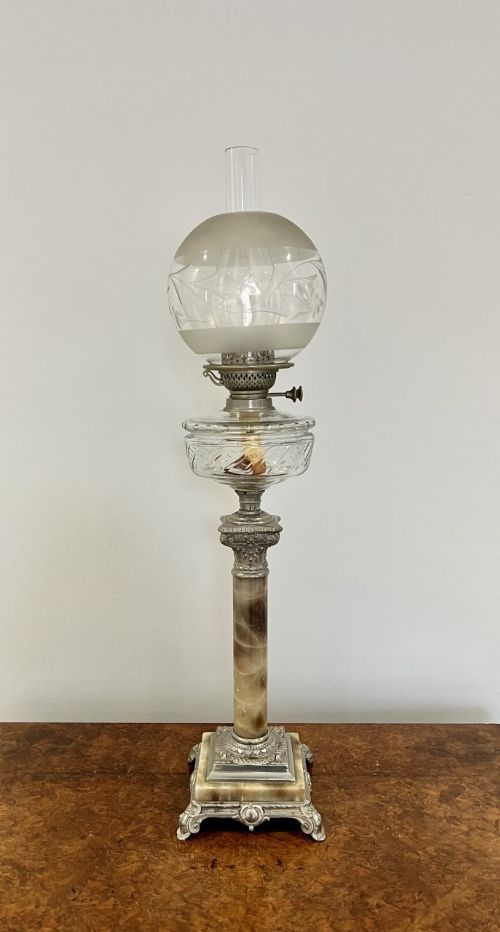
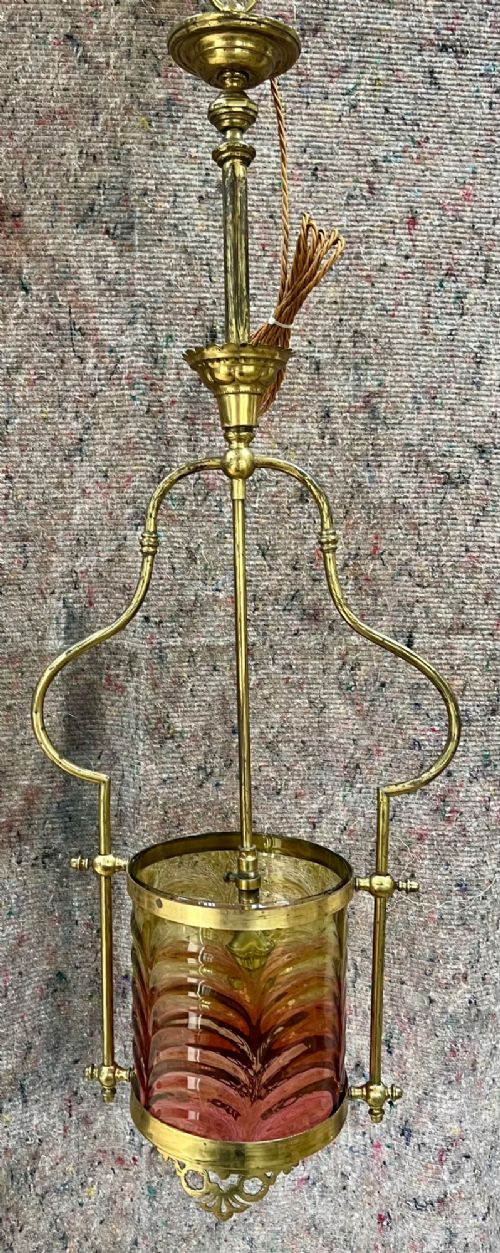
The listings show nineteenth-century glass combined with brass, giltwood, and silver plate across forms like vases, decanters, and tableware.
Quality variations in production
The calibre of victorian decorative glass rests on the precision of the glass cutting, the depth and evenness of the colour, and the crispness of any applied decoration. Superior pieces display hand-finished details without heavy mould seams, alongside well-balanced mounts that fit the glass body precisely.
Design ambition and attribution also separate standard production from exceptional examples, particularly when matched with known makers or specialised techniques such as tightly controlled millefiori canes or intricate overshot texturing.
Thomas Webb·John Grinsell And Son
The Victorian Decorative Glass Glossary
- Cranberry glass
- A transparent pinkish-red glass coloured with gold, popular for nineteenth-century tableware and ornamental vases. It is frequently seen with clear or white glass edgings.
- Millefiori
- A glasswork technique producing multicoloured patterns through bundles of glass canes fused and sliced. Translating to a thousand flowers, it defines detailed paperweights.
- Overshot glass
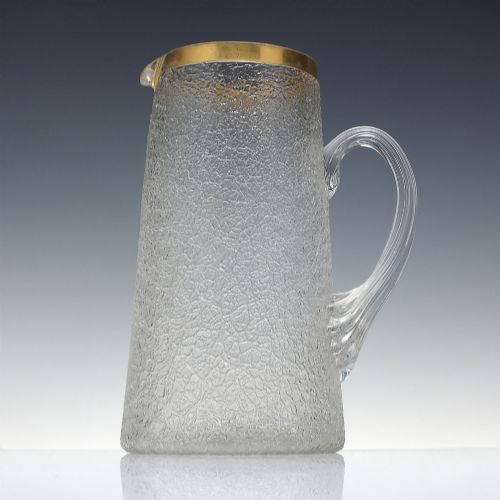
- A technique where fine glass threads are trailed across the hot surface of a vessel to create a frosted, textured exterior. Water jugs and pitchers often display this tactile finish.
- Opeline glass
- An opaque, pastel-coloured glass developed in France and England, used for decorative liners and vessels. It has a smooth, milky appearance resembling porcelain.
- Carboy
- A large glass bottle or vessel, often enclosed in wicker or housed in frames, used historically for storing chemicals or displayed in apothecary shop windows.
Victorian Decorative Glass: Frequently Asked Questions
How do I clean antique glass?
Wash pieces gently by hand in warm, soapy water using a soft cloth to protect delicate rims and applied handles. Avoid abrasive sponges and harsh chemical cleaners that can damage historical surfaces.
Dry the items immediately with a lint-free cloth to prevent water spots, particularly on pieces with cut crystal facets or metallic mounts.
What causes the colour variations in cranberry glass?
The distinct pink and red tones result from adding refined gold chloride to the molten glass batch during the manufacturing process. The exact shade depends on the precise chemical balance and the temperature of the furnace.
Cooling rates also influence the final depth of colour, meaning no two hand-blown items share an identical hue.
How do I display glass pieces safely?
Position items away from direct sunlight to prevent colour fading, and place them on stable, level surfaces within cabinets or on mantelpieces. Ensure heavy items have adequate support, particularly when combined with metal stands or mounts.
Keep pieces spaced apart to avoid accidental impacts between delicate rims, handles, and adjacent ornaments.