


Victorian Pink Vase
A victorian pink vase brings warmth and rich colour to a room, offering striking nineteenth-century glass and porcelain craftsmanship.
Victorian Pink Vase
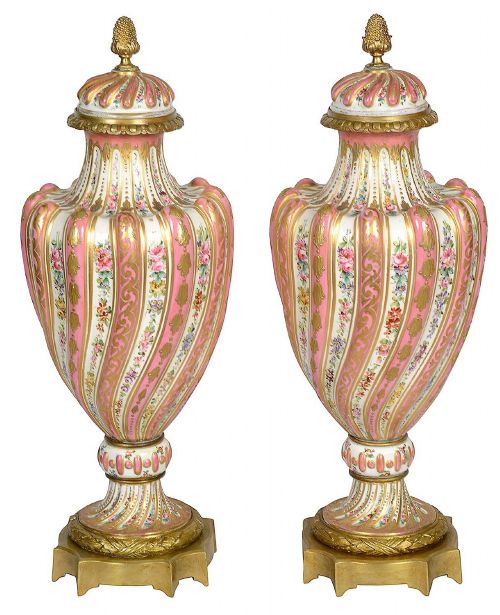
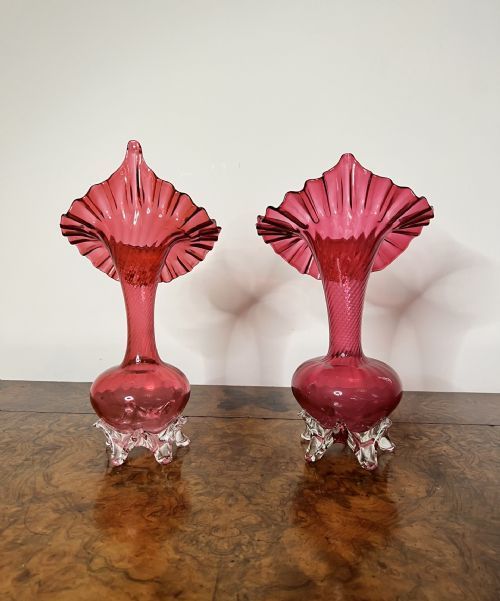
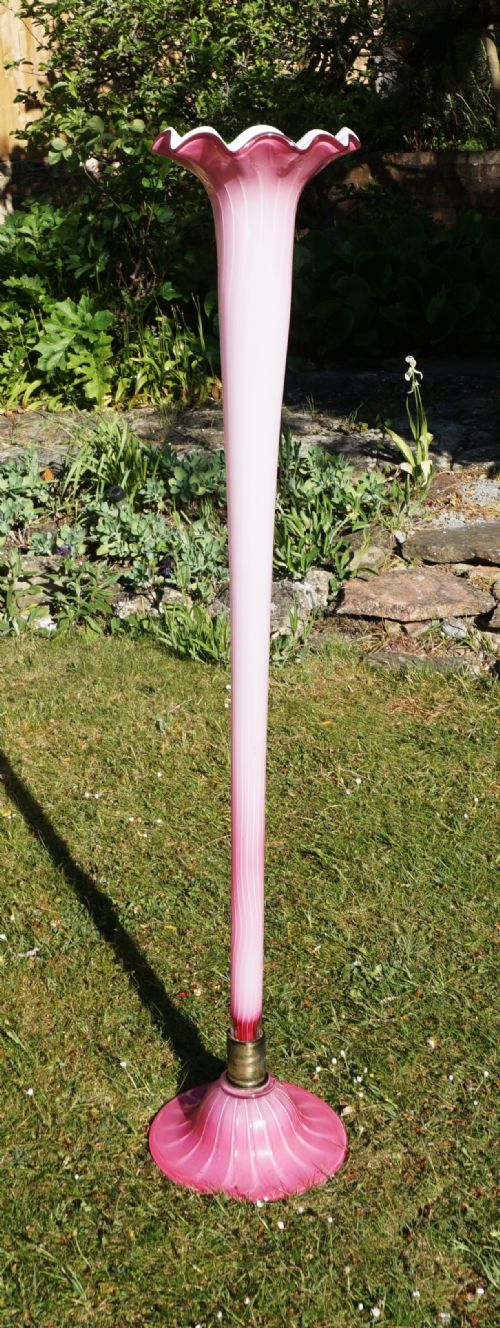
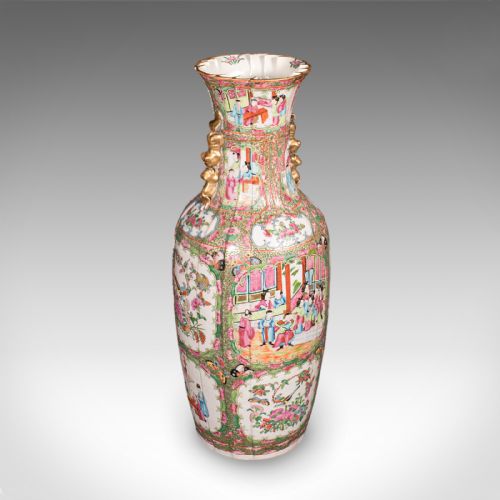
You are most likely to meet cranberry glass, cased glass, and hand-painted porcelain versions on this page. The forms span from twin-handled decorative vessels to slender jack-in-the-pulpit designs made during the nineteenth and early twentieth centuries.
How they were made
Glass pieces utilise techniques such as casing, trailing, and overlay, combining clear glass with opaque pink layers or contrasting white cane decoration. Enamel painting and gold leaf application frequently accent the glass surfaces.
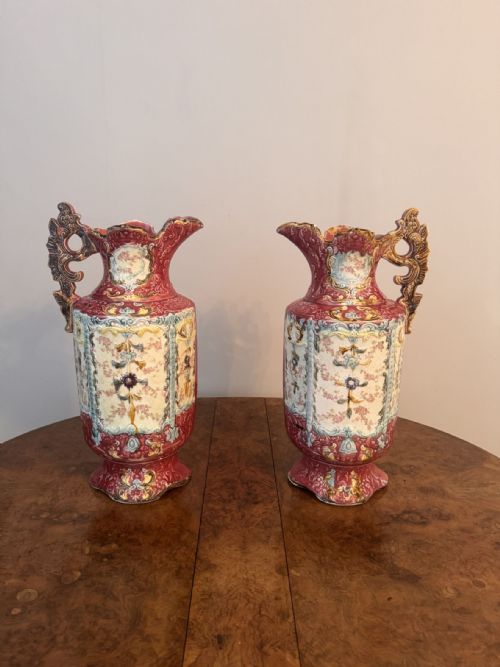
Porcelain items involve ceramic moulding followed by hand-painted decoration, glaze finishes, and occasionally pate-sur-pate or reticulated openwork. Manufacturers combined these decorative methods with gilded details and twin handles.
Several items feature whimsical porcelain cherubs peering out from inside ceramic vases.
What varies in quality
The standard of a piece depends heavily on the precision of the hand-painted decoration and the depth of the colour within the glass or glaze. Superior items display finer brushwork, controlled enamel work, and crisper moulding.
Heavier glass manipulation, intricate reticulation, and the use of gold leaf or uranium glass bases elevate certain pieces above standard production wares.
Grainger Worcester·Krister KPM Waldenburg·Royal Vienna·Thos Webb and Sons·Royal Worcester·Royal Dux
The Victorian Pink Vase Glossary
- Cranberry glass
- A rich red-pink transparent glass coloured with gold chloride during production. It became particularly popular for Victorian tableware and mantel lustres.
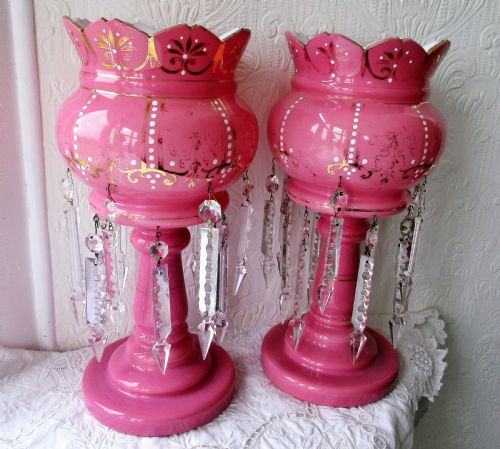
- Lustre
- A decorative glass or porcelain vase fitted with hanging crystal prisms around the rim. They sat on mantelpieces to reflect candlelight.
- Jack-in-the-pulpit
- A ruffled, flared glass vase shape resembling the woodland plant of the same name. Glassmakers shaped the hot rim by hand.
- Pate-sur-pate
- A porcelain decoration technique where liquid clay is built up in successive layers to create a low relief cameo effect. It requires great skill from the artist.
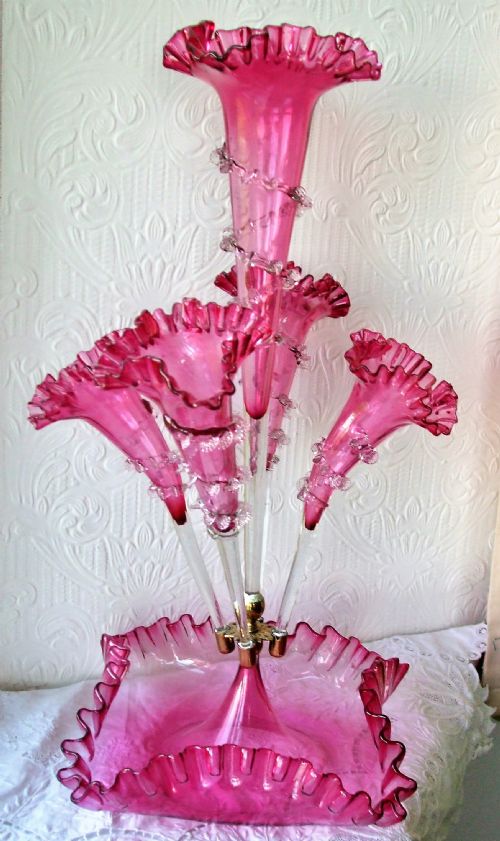
- Epergne
- A large multi-horn tabletop centrepiece used for fruit or flowers. They often combined a central bowl with detachable cranberry glass cornucopias or lily vases.
Victorian Pink Vase: Frequently Asked Questions
How do I clean a glass lustre?
Wash the glass gently in lukewarm soapy water using a soft cloth, avoiding harsh abrasives that might damage surface enamel or gilding.
Remove any hanging crystal prisms beforehand so they can be washed and dried individually before reattachment.
What is Burmese glass?
Burmese glass is a heat-sensitive art glass that shades from pale yellow to a soft pink. Thomas Webb and Sons patented this decorative glass type in the late nineteenth century.
The shading results from the addition of gold and uranium to the glass batch, which reacts to reheating.
Can I put water in these vases?
Many antique glass and porcelain vessels can hold water, but antique enamelled or painted decoration requires careful handling. Sudden temperature changes can crack nineteenth-century glass.
It is safer to use a modern liner inside fragile or painted ceramic pieces to protect the interior glaze.
How do I distinguish Bohemian glass?
Bohemian pieces often feature rich casing, opalescent glass, or heavy enamel painted floral motifs. Makers in the Bohemia region produced robust glass forms during the nineteenth century.
Look for distinctive colour combinations like cranberry pink paired with opalescent thorn details or heavy gilt work.