

Antique Pink Glass
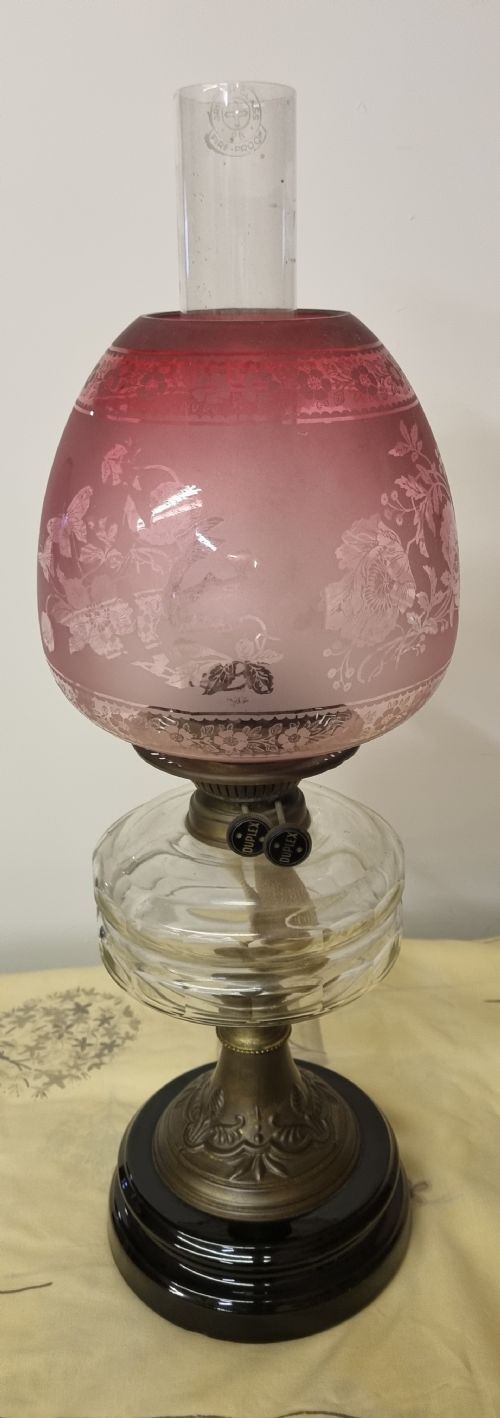
Antique pink glass brings warmth and colour to a room through Victorian oil lamps, Venetian chandeliers, and delicate scent bottles.
Antique Pink Glass
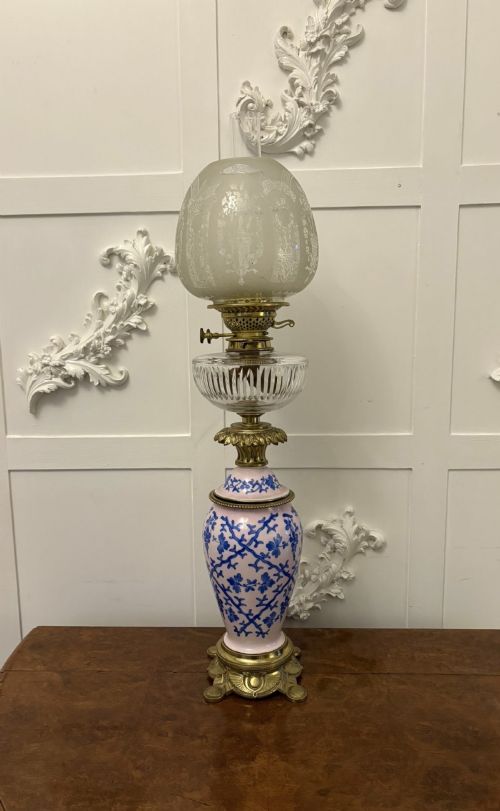
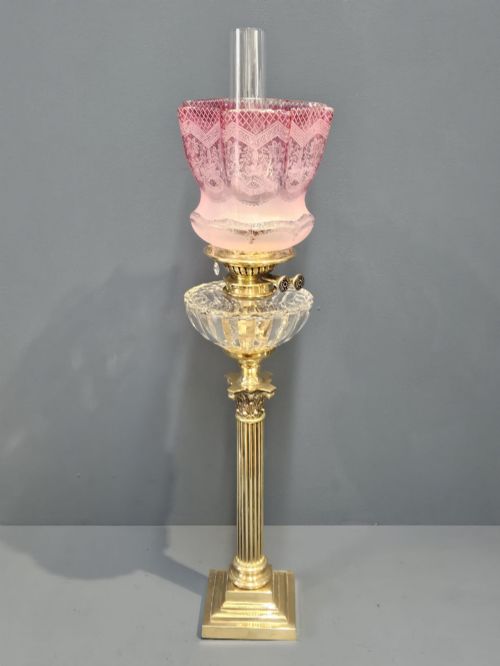
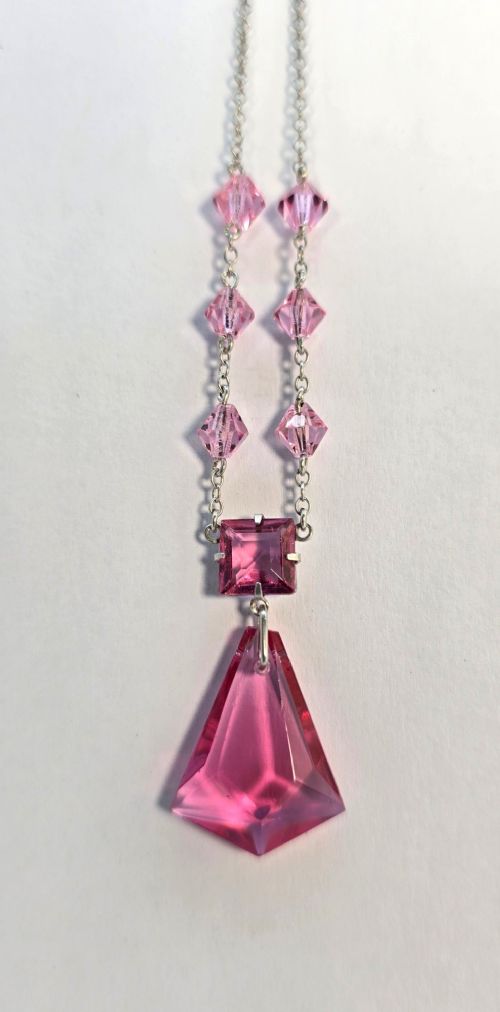
When searching for antique pink glass, buyers encounter a variety of nineteenth and early twentieth-century domestic objects. These range from substantial oil lamps and hanging shades to smaller decorative items such as vases, epergnes, and scent bottles.
The pieces span several distinct eras, with strong representation from the Victorian period alongside Edwardian, Art Nouveau, and Art Deco examples. English, French, Bohemian, and Venetian makers dominate the origins found in the selection.
Vessels and lighting fixtures form the core of the available inventory, frequently incorporating brass, silver, or enamel mounts. Cranberry glass and opaline variants appear regularly across the different periods.
Materials and Technique
The items rely heavily on blown and cased glass techniques, often combining layered colours to achieve deep pink and cranberry tones. Hand-cutting and enoxelling appear frequently on decorative items and scent bottles from the nineteenth century onward.
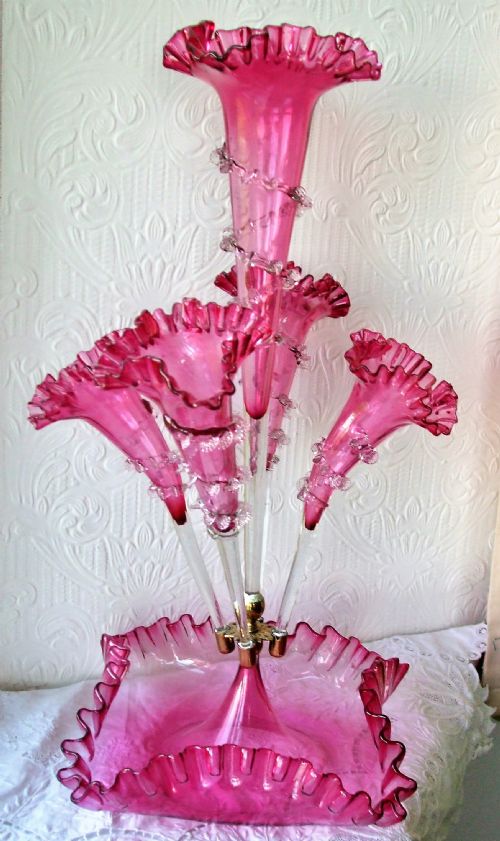
Metalwork integration is a common manufacturing method, with brass and silver collars, mounts, and burners fitted to lamps and scent bottles. Mould-blown bodies frequently feature hand-applied details such as ruffled rims on vases and epergnes.
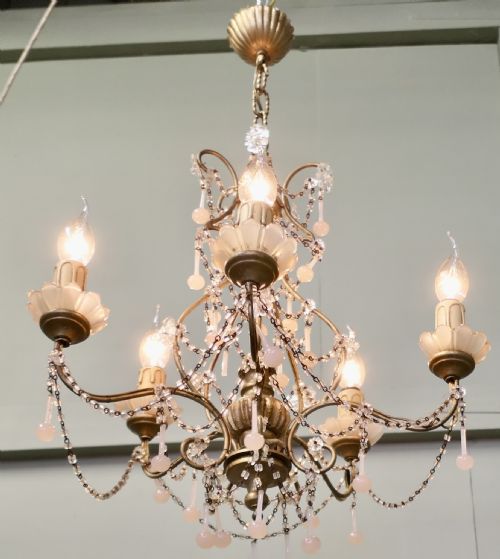
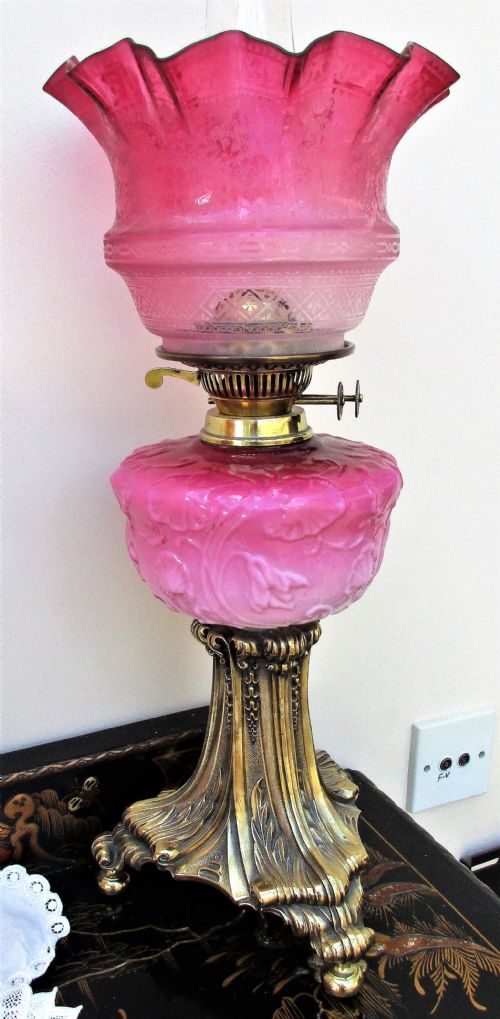
Listings feature nineteenth-century Victorian oil lamps alongside Art Deco glass chandeliers and Edwardian desk lamps.
Assessing Quality
Superior examples demonstrate precision in hand-cut facets and uniformity in coloured glass layers without cloudiness or unintended bubbles. The refinement of painted enamel decoration and the weight of accompanying silver or brass mounts distinguish finer items.
Completeness contributes to desirability, particularly in oil lamps where matching fonts and shades or original brass burners remain intact. The crispness of mould work and the elegance of applied details such as ruffled rims elevate certain vases and epergnes above standard production.
Moser·Pallme Konig·Harold Bushell Co·Hinks
The Antique Pink Glass Glossary
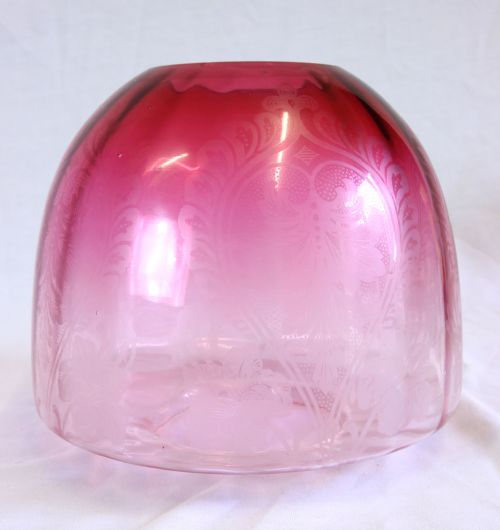
- Cranberry Glass
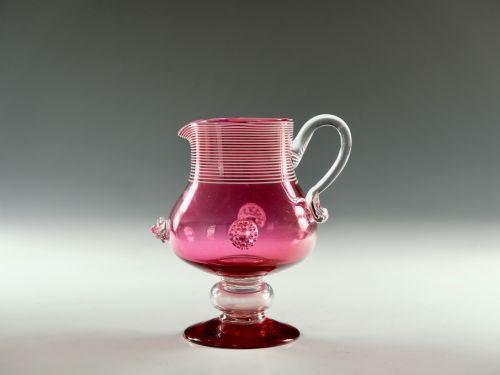
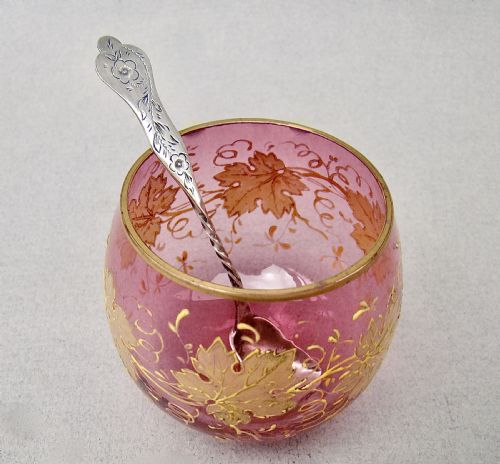
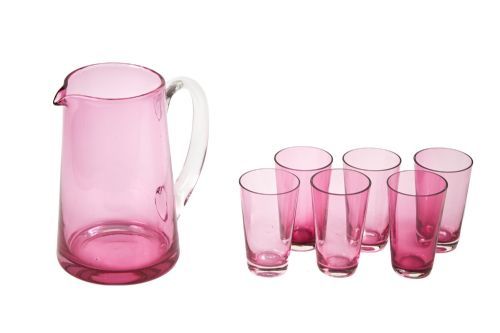
- A rich transparent pink glass coloured with gold chloride. It appears frequently in Victorian oil lamps, jugs, and wine glasses.
- Opaline Glass
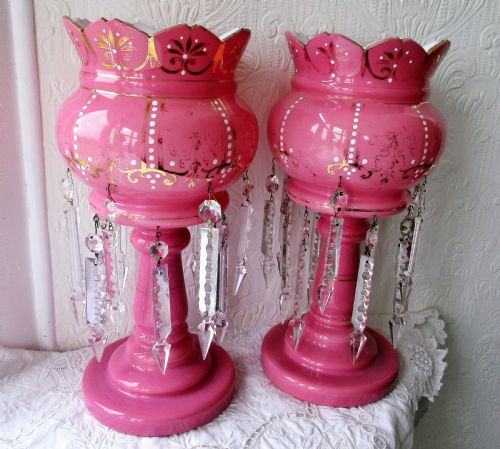
- An opaque or translucent pale glass developed in nineteenth-century France. It provides a milky pastel background for painted decoration.
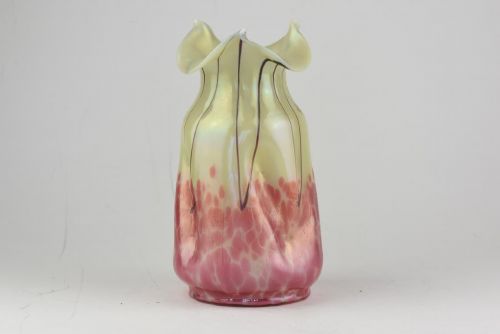
- Jack-in-the-Pulpit Vase
- A nineteenth-century glass vase featuring a distinctive flared, folded rim resembling a flower spathe.
- Lustre
- A decorative glass mantel ornament hung with cut glass prisms. These pieces frequently date to the Victorian era in pairs.
Antique Pink Glass: Frequently Asked Questions
How do I clean antique pink glass?
Wash the glass gently in warm soapy water using a soft cloth, avoiding abrasive sponges or harsh chemical detergents. Dry thoroughly with a lint-free towel to prevent water spots.
Take extra care around painted enamel or gilt decorations, as scrubbing can remove these delicate surface details. Remove metal collars or burners before washing if possible.
Were these oil lamps meant for daily use?
Victorian and Edwardian oil lamps served as primary domestic lighting sources before widespread electricity. Households relied on them for illuminating principal rooms every evening.
Today, most buyers repurpose these lamps for decorative display or convert them safely for electrical lighting. The original brass burners and fonts often survive alongside the glass shades.
How can I tell Victorian pink glass apart from later pieces?
Victorian pieces often feature heavy hand-blown forms with pontil marks on the base where the glassblower's rod was detached. They frequently employ rich cranberry hues and elaborate applied ornamentation such as ruffled rims.
Later Art Deco and twentieth-century items tend to show cleaner geometric lines and different colour palettes like opaline or pastel pink. Production methods became more mechanised by the 1920s and 1930s.
What is cranberry glass?
Cranberry glass is a distinctive transparent pink material produced by adding a small amount of gold to the molten glass batch. It gained immense popularity during the Victorian era for tableware and decorative vessels.
The depth of the pink colour can vary depending on the concentration of gold and the thickness of the blown vessel. It is frequently paired with brass bases and clear glass elements.