


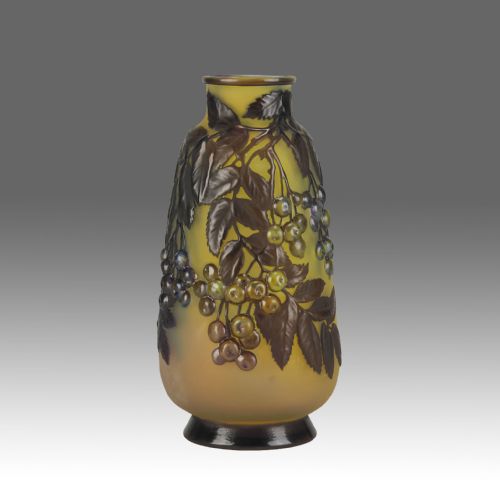


Blown Glass Vase
A blown glass vase brings fluid form and translucent colour to a room, holding light as easily as stems.
Blown Glass Vase
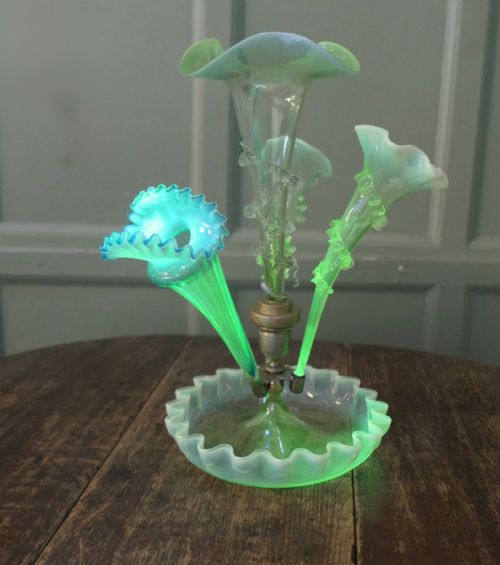
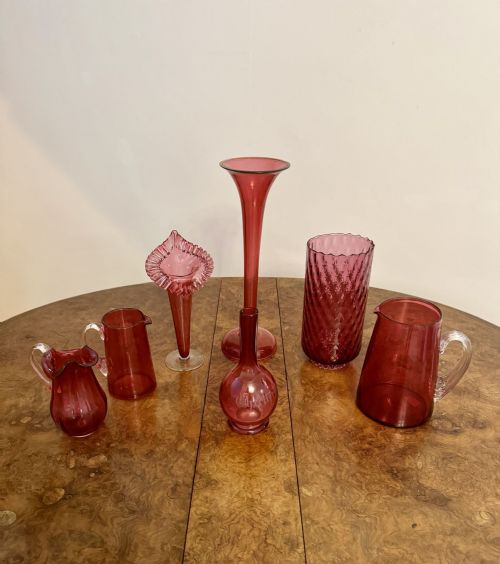
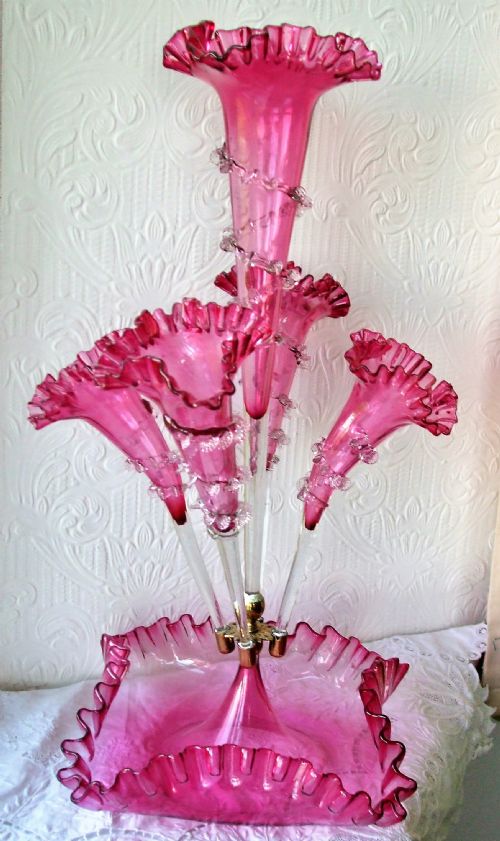
A blown glass vase emerges from centuries of glassmaking tradition, spanning simple Victorian table vessels to ornate Art Nouveau and Art Deco creations. Collectors find pieces ranging from utilitarian storage jars and carboys to delicate cranberry glass trumpets and multi-trumpet epergnes.
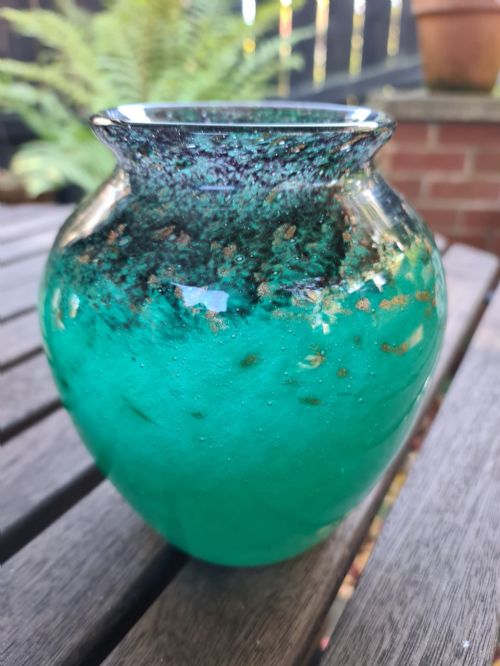
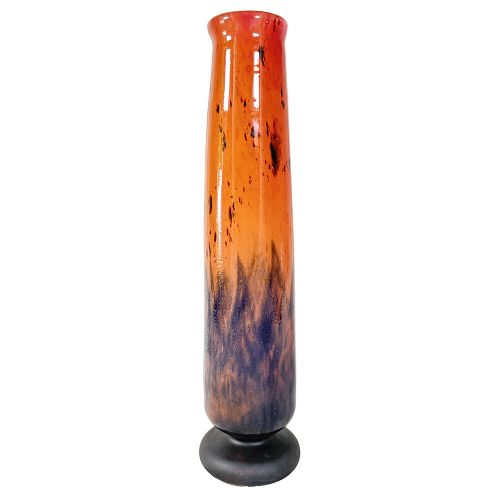
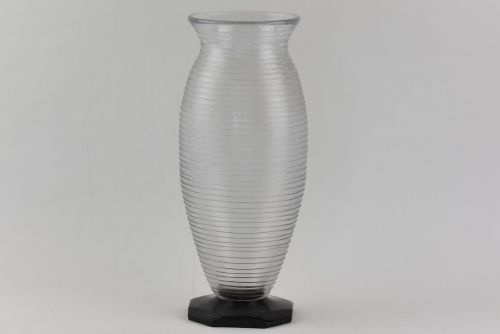
The selection on this page draws heavily from Victorian and early twentieth-century workshops, alongside eighteenth-century examples and modernist Murano designs. Green glass, cranberry glass, and clear crystal dominate the forms, often shaped as beakers, chalices, or tall trumpet vases.
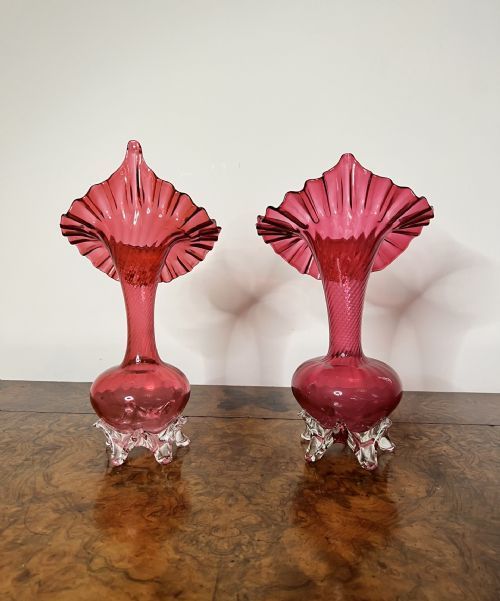
Makers and designers from Britain, France, Bohemia, and Italy populate the records, showing the wide geographic spread of blown glass production. Pieces appear singly or in matched pairs, reflecting domestic display habits across different design movements.
Materials and technique
Hot glass gathers on the end of a blowpipe and expands under breath and gravity, sometimes taking shape inside a mould to create optical ribs or optic patterns. Coloured glass effects rely on mineral oxides added to the batch, such as uranium for green hues or gold for ruby cranberry glass.
Surface decoration involves multiple techniques recorded in the inventory, including acid etching, cameo carving, hand-painted enamel scenes, and inclusions like aventurine or metallic foil. Wrought iron mounts and brass fittings occasionally support the glass body, uniting different artisan trades in a single vessel.
The listings on this page span from the eighteenth century through to the mid-twentieth century, recording works in soda glass, uranium glass, and cranberry glass.
What separates the finest examples
The ambition of the design and the mastery of the blower dictate the standing of a blown glass vase. Precision in wall thickness, balance in footed vessels, and clarity or depth in coloured glass distinguish standard utility ware from studio art pieces.
Artistry in secondary decoration, whether multi-layered cameo carving or intricate enamel work, separates ordinary production from works by recognised designers and major glasshouses. Condition and the preservation of delicate applied elements like trailing or prunts complete the assessment.
Daum·Pallme Konig·James Powell·Gallé·Stuart for Liberty·Schneider·Monart·Vittorio Zecchin for Venini·AVEM
The Blown Glass Vase Glossary
- Cranberry glass
- A rich red-pink glass coloured with gold chloride, popular during the Victorian period for tableware and decorative vessels.
- Epergne
- A central table centrepiece featuring a large bowl fitted with multiple detachable trumpet vases or baskets for fruit and flowers.
- Cameo glass
- A vessel formed of two or more distinct glass layers where the outer layer is carved away to reveal a contrasting background colour.
- Uranium glass
- A transparent yellow or green glass containing small amounts of uranium dioxide, which glows brightly under ultraviolet light.
- Aventurine
- Glass infused with metallic copper crystals that suspend within the matrix to produce a glittering, spangled appearance.
Blown Glass Vase: Frequently Asked Questions
How do I clean a blown glass vase safely?
Warm water and mild soap suit most antique glass pieces, avoiding harsh scrubbing brushes or sudden temperature changes that might crack old material.
Delicate surfaces with enamel work or gilt details require careful wiping by hand rather than submersion or machine washing.
What is the difference between blown glass and pressed glass?
Blown glass relies on breath and hand tools to shape the molten material, leaving pontil marks on the base and subtle variations in wall thickness.
Pressed glass utilises a mechanical metal mould and plunger, resulting in uniform thickness and sharp, repeating exterior patterns without hand-formed asymmetry.
How can I tell Victorian cranberry glass apart?
Victorian cranberry glass displays a deep translucent pinkish-red tone achieved through gold saturation, often paired with clear glass edgings or applied prunts.
Many pieces take the form of fluted trumpet vases, frilled baskets, or multi-trumpet epergnes designed for nineteenth-century dining tables.
What distinguishes Art Nouveau glass vases?
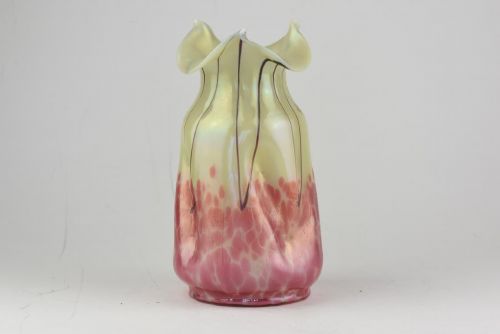
Art Nouveau vases feature organic, flowing contours inspired by natural plant forms, frequently utilising iridescent finishes that catch the light in shifting tones.
Signatures or attribution marks from major ateliers often accompany cameo carvings or applied metallic inclusions characteristic of the turn of the century.