



White Pierced Porcelain
White pierced porcelain brings delicate openwork forms and intricate lattice patterns to your table, combining fine ceramic bodies with master craftsmanship.
White Pierced Porcelain
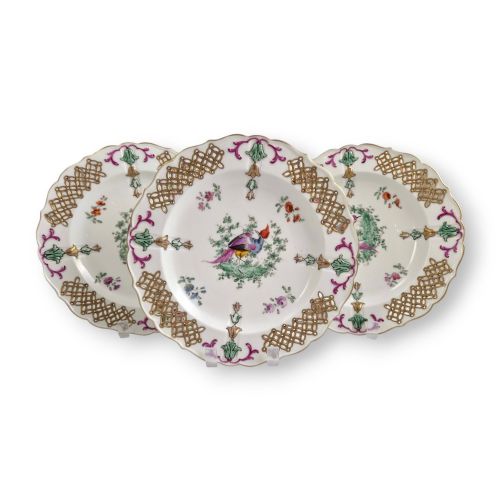
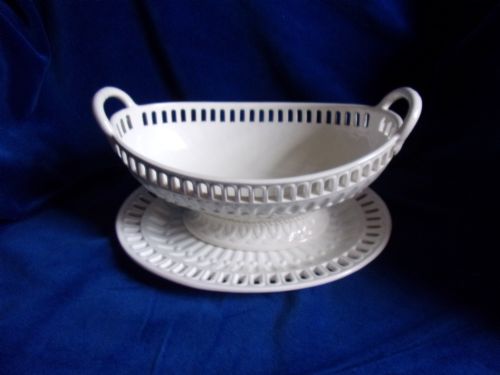
White pierced porcelain covers an array of decorative items designed to display intricate openwork and lattice cutting. You will encounter nineteenth-century plates, chestnut baskets, comports, and centrepieces that showcase these pierced techniques.
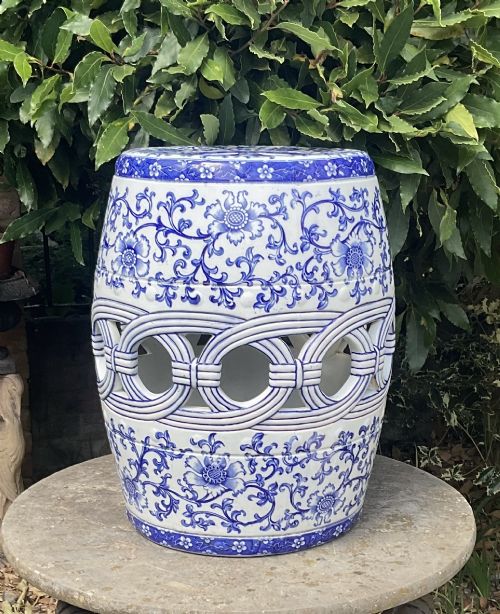
The selection spans eighteenth-century English works alongside continental European and Japanese Meiji examples. Pieces range from simple lattice bowls to elaborate vases and garden seats.
Makers from historic factories utilised soft-paste porcelain, ceramic, and glaze to produce these openwork designs. Buyers seek out these items for their delicate pierced walls and sculptural presence.
How they were made
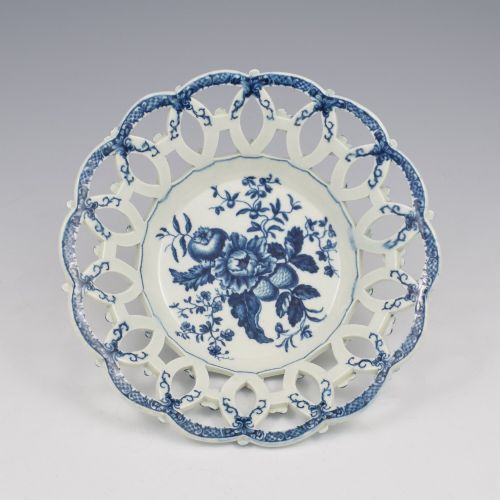
Potters shaped soft-paste porcelain and ceramic bodies before cutting through the clay while leather-hard to create precise pierced lattices and reticulated borders. Artisans then applied glazes, enamel, and occasional gilding or gold leaf before firing the pieces in kilns.
Some works incorporated applied elements like roses, putti, or sculpted dragons alongside the pierced sections. Master hands pierced intricate patterns by hand, requiring steady precision to avoid distorting the ceramic form during firing.
White Pierced Porcelain Retail Price Guide 2026
Typical asking prices for white pierced porcelain among the pieces listed under this phrase on Sellingantiques today, from the lower quarter to the upper quarter. They describe what is for sale here now, not the wider market.
Object forms include garden seats, chestnut baskets, potpourri vases, and comports dating from the eighteenth to the twentieth century.
What varies in quality
Quality rests upon the crispness of the piercing and the fineness of the ceramic body. Sharp, clean cutouts without glaze pooling reveal superior control during the manufacturing process.
The delicacy of applied details such as flowers or sculpted figures further distinguishes finer examples from simpler production pieces. Well-balanced proportions and clear factory marks elevate the standing of a piece.
Dr Wall Worcester·Meissen·Minton·Herend·Royal Worcester
The White Pierced Porcelain Glossary
- Pierced
- Cutting through unbaked clay to create open patterns and negative space. This technique allows light to pass through the ceramic walls.
- Reticulated
- Woven or net-like decoration formed in ceramics. It describes the open lattice work seen on plates and baskets.
- Soft-paste porcelain
- A ceramic material composed of clay and glass frit. It fires at lower temperatures than hard-paste and produces a warm, creamy glaze.
- Comport
- A large decorative dish raised on a foot, used for serving fruit or sweets. They often feature pierced borders or elaborate stands.
- Chestnut basket
- A specialised vessel designed for serving chestnuts at the table. These pieces frequently include matching stands and pierced sides.
White Pierced Porcelain: Frequently Asked Questions
What is white pierced porcelain?
White pierced porcelain comprises ceramic vessels and tableware featuring cut-out lattice designs and openwork patterns.
These pieces range from eighteenth-century English baskets to nineteenth-century continental centrepieces and plates.
How were pierced patterns made?
Potters cut through the clay body by hand while it remained leather-hard before firing.
This meticulous technique created clean geometric or floral lattices through which light could pass.
How do I care for these pieces?
Display these delicate ceramics away from heavy foot traffic and potential knocks.
Dust gently with a soft brush and wash by hand in warm water only when necessary, avoiding harsh detergents.
How can I date my piece?
Examine the paste, glaze characteristics, and any factory marks stamped or painted on the base.
Stylistic cues such as Rococo revival shaping or Meiji period motifs also help narrow down the era of manufacture.