




Art Deco Wedgwood Bowl
These art deco wedgwood bowl examples combine vibrant lustre glazes with imaginative motifs, offering collectors striking pieces of early twentieth-century ceramic design.
Art Deco Wedgwood Bowl
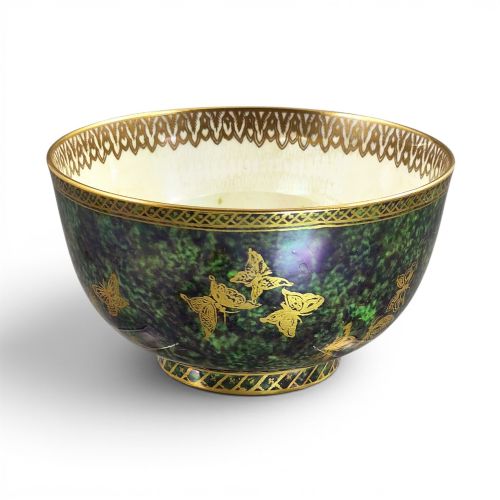
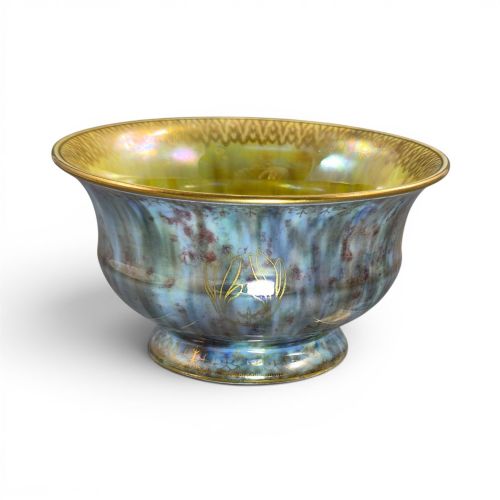
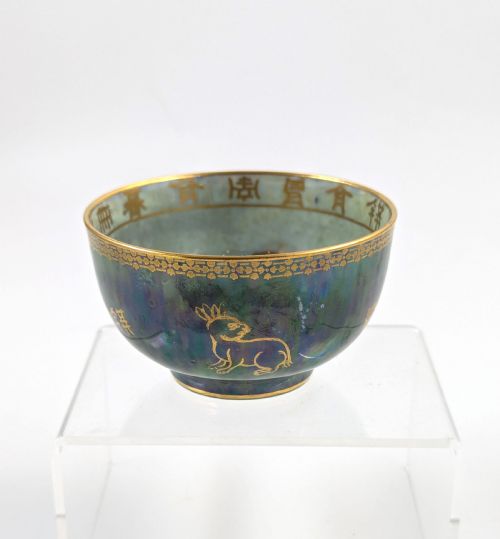
An art deco wedgwood bowl represents the intersection of early twentieth-century ceramic production and imaginative surface decoration. Most examples encountered here date from the nineteen-tens and nineteen-twenties, spanning the Edwardian period into the early twentieth century. These decorative bowls take various forms, including circular vessels, miniature sets, and bold octagonal shapes.
The aesthetic bridges late Edwardian tastes and emerging modernist lines through the vision of ceramic artists working at the pottery. Collectors find both standard decorative bowls and highly detailed fantasy pieces that showcase the firm's technical ambition during this era.
How they were made
Makers utilised fine porcelain and bone china as the structural canvas for these vessels, providing a smooth base for intricate surface work. Artisans then applied complex glaze techniques, notably lustre glaze and enamel, which created shimmering, iridescent colour shifts when fired.
Detailing relied on gold leaf and gold gilding to accentuate patterns, outlining mythological creatures and geometric motifs with metallic brilliance. Each piece required multiple kiln firings to fix the rich layers of pigment and precious metal.
The listings here feature pieces from the Edwardian period and the nineteen-tens and nineteen-twenties, utilising porcelain, bone china, lustre glaze, and gold leaf.
What varies in quality
The distinction between standard production and the finest work lies in the complexity of the narrative design and the richness of the lustre finish. Pieces featuring elaborate mythological scenes, such as dragons, phoenixes, or fairyland motifs, demand a higher level of artistic execution than simple mottled colour grounds.
The precision of the gilding and the depth of the iridescent sheen also determine the visual impact of the vessel. Superior examples exhibit a vibrant interplay of colour across the porcelain body without loss of definition in the enamel work.
Daisy Makeig-Jones
The Art Deco Wedgwood Bowl Glossary
- Lustre glaze
- A type of ceramic glaze containing metallic oxides that produce an iridescent, pearl-like sheen upon firing. This technique creates the signature glowing surface effect seen on these decorative bowls.
- Bone china
- A type of soft-paste porcelain incorporating animal bone ash, resulting in a strong, translucent body. It forms the smooth structural base for many finely painted vessels.
- Enamel
- Opaque glass-like paint applied to the fired ceramic surface and fixed in a muffle kiln. It provides the vibrant, permanent colours used in complex decorative motifs.
- Gilt
- A thin layer of gold applied to the ceramic surface for decorative accentuation. It is often used to highlight borders and central figural elements.
- Octagonal
- Having eight sides and eight angles, describing the geometric form chosen for several bowls in this category. This shape offers distinct flat panels for narrative artwork.
Art Deco Wedgwood Bowl: Frequently Asked Questions
What periods do these bowls date from?
The pieces span the Edwardian era through to the nineteen-twenties, capturing a period of transition in British ceramic design.
Most examples reflect the artistic output of the early twentieth century, aligning with the rise of distinct decorative movements.
How should I display an art deco wedgwood bowl?
These vessels suit placement in well-lit display cabinets or on secure surfaces where light can catch the iridescent glaze.
Because the surfaces feature delicate enamel and gilding, keeping them away from direct, harsh sunlight helps preserve the rich colours.
What motifs appear on these bowls?
Common decorative themes include mythical subjects like dragons, phoenixes, and elaborate fairyland scenes rendered in vivid enamels.
Other examples feature simpler mottled colour grounds or geometric framing typical of the era's transition toward modernism.
How do I care for lustre glaze?
Gentle dusting with a soft, dry cloth is sufficient for routine maintenance of the ceramic surface.
Avoid using abrasive cleaners or submerging the piece in water, as this can damage the delicate gold leaf and enamel details.