


Wedgwood Fairyland Lustre China
Wedgwood fairyland lustre china brings fantastical myth and vibrant colour into a room, combining meticulous design with luminous glazes.
Wedgwood Fairyland Lustre China
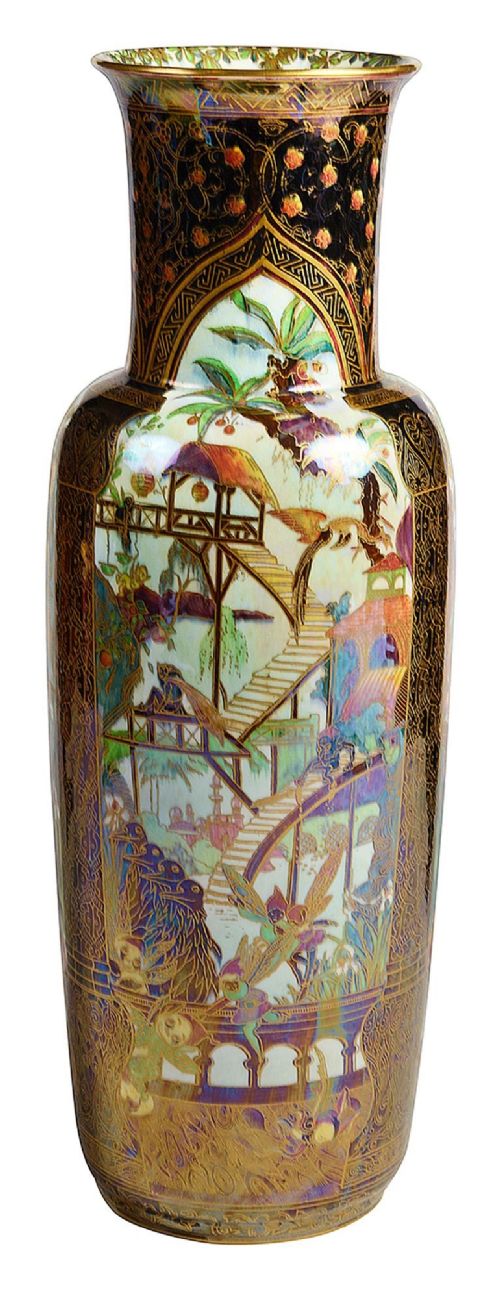
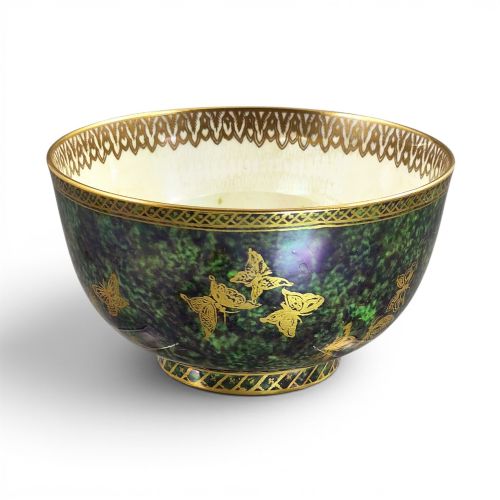
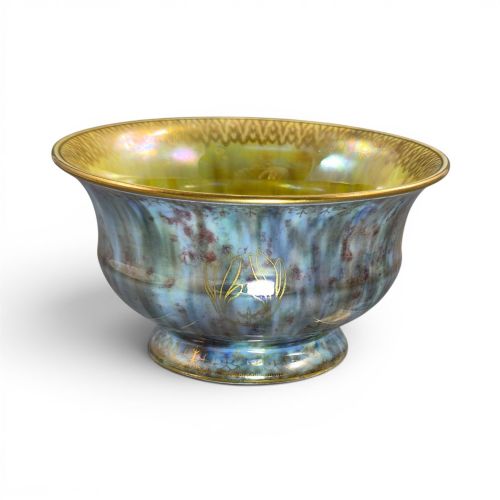
When you search for wedgwood fairyland lustre china, you encounter extraordinary decorative bowls and vases produced during the Edwardian period and the decades around nineteen ten and nineteen twenty. These vessels display intricate fantasy scenes featuring dragons, butterflies, and goldfish across various forms including octagonal bowls and tall vases.
The objects on this page largely stem from the early twentieth century, spanning art nouveau and art deco sensibilities. They showcase the imaginative vision of their designer through elaborate mythical motifs and rich surface ornamentation.
How they were made
The manufacture of these pieces relies on bone china and porcelain bodies finished with specialised lustre glaze and metallic glaze. Artisans applied enamel and intricate gold leaf or gold gilding to build up the multi-layered chromatic effects characteristic of the ware.
Firing techniques allowed the metallic oxides within the glaze to create iridescent surfaces that catch the light from different angles. This chemical process required precise control in the kiln to achieve the desired shimmering finish.
Listings feature porcelain and bone china forms decorated with gold leaf, enamel, and metallic lustre glaze.
What varies in quality
Quality in these pieces rests upon the complexity of the narrative scenes and the precision of the gilding. Finer examples display crisp detail in the transfer and hand-painted elements, with rich saturation across the lustre surface.
The intricacy of the subject matter, such as elaborate dragon or butterfly motifs spanning octagonal bowls, distinguishes superior studio output from simpler standard designs.
Daisy Makeig-Jones·Wedgwood
The Wedgwood Fairyland Lustre China Glossary
- Lustre glaze
- A type of ceramic glaze containing metallic oxides that produces an iridescent, pearlescent sheen upon firing. This technique creates the signature glowing surface of the ware.
- Bone china
- A type of soft-paste porcelain composed of bone ash, feldspathic material, and kaolin. It provides a strong, translucent white body suitable for detailed enamel work.
- Gold gilding
- The application of fine gold leaf or gold powder onto the ceramic surface to highlight decorative motifs. It adds rich metallic contrast against the colourful lustre background.
- Enamel
- Opaque glass-like paint applied over the glaze and fired at a lower temperature to add permanent colour. This allows for the vibrant depiction of fantastical figures and landscapes.
Wedgwood Fairyland Lustre China: Frequently Asked Questions
What are these bowls used for?
These pieces serve primarily as decorative display objects rather than functional tableware. Their intricate scenes and delicate gilt work make them focal points in cabinet collections.
Collectors generally place them in well-lit areas where natural light can activate the iridescent qualities of the glaze.
How do I date these items?
Dating relies on examining the specific pattern numbers, backstamps, and stylistic markers associated with early twentieth-century production. Pieces from this range typically originate between nineteen hundred and nineteen twenty.
Comparing the recorded period styles, such as art nouveau or art deco influences, helps narrow down the manufacturing era.
Are all pieces marked?
Most authenticated examples carry standard factory marks and pattern codes on the underside. These factory stamps identify the manufacturer and often include specific pattern numbers like Z forty-eight twenty-eight.
Handwritten or printed marks provide vital clues for establishing attribution and confirming the period of manufacture.
How do I care for lustre china?
Care requires gentle dusting with a soft, dry cloth to protect the delicate enamel and gold leaf from abrasion. Harsh chemical cleaners and abrasive sponges must be avoided entirely.
Keeping the pieces away from direct, prolonged sunlight preserves the vibrancy of the coloured glazes over time.