


Footed Lustre Bowl
A footed lustre bowl brings metallic sheen and brilliant colour to a room, catching the light in a way ordinary ceramics simply cannot.
Footed Lustre Bowl
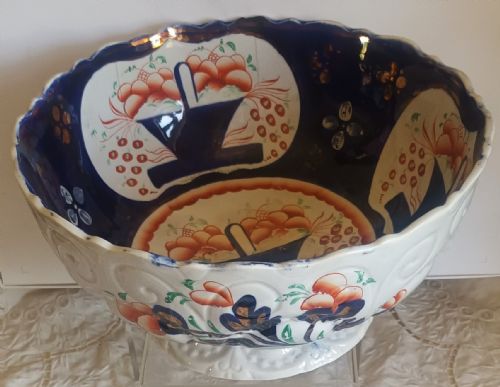
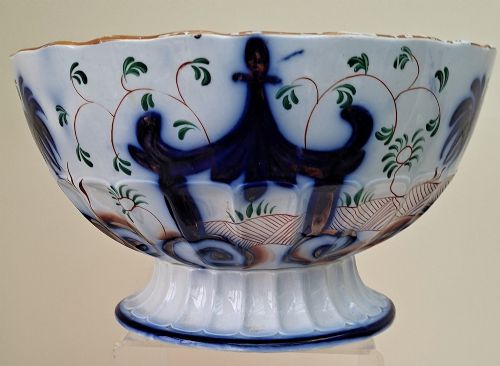
When you search for a footed lustre bowl, you are looking at raised decorative vessels finished with an iridescent metallic glaze that shifts in the light. The pieces collected here span several distinct periods, ranging from medieval Persian Islamic pottery to Victorian Gaudy Welsh earthenware and striking twentieth-century designs.
You are most likely to meet twentieth-century porcelain and earthenware pieces decorated with complex lustre patterns, alongside Victorian Gaudy Welsh pottery featuring traditional patterns like the basket of flowers and pagoda motifs. These raised vessels combine practical form with striking surface decoration, sitting on elevated bases that draw the eye toward the reflective glaze above.
The selection also includes early examples such as thirteenth-century Kashan pottery, demonstrating a long history of metallic glaze techniques across different cultures. Whether you prefer the intricate fairy and dragon designs of the early twentieth century or the bold colours of nineteenth-century earthenware, each footed lustre bowl offers a unique interplay of light and colour.
What varies in quality
The distinction between ordinary and exceptional pieces lies in the complexity and precision of the surface decoration, particularly the depth of the metallic iridescence and the clarity of the enamel work. Finer examples display meticulously hand-painted motifs, such as coiling dragons or detailed butterflies, where the lustre glaze catches the light evenly across every raised contour.
The crispness of the moulding on the footed base and the richness of the underlying glaze also separate standard production wares from the most accomplished studio outputs. Pieces featuring multi-layered lustre effects and well-preserved gold leaf demonstrate a higher level of craftsmanship from the potter and decorator.
Listings for this phrase include nineteenth-century earthenware and twentieth-century porcelain, uniting Victorian Gaudy Welsh patterns with Art Deco lustre designs.
Daisy Makeig-Jones Wedgwood·Maling
The Footed Lustre Bowl Glossary
- Lustre glaze
- A type of pottery glaze containing metallic salts that produce an iridescent sheen when fired in a reducing atmosphere. This finish creates a reflective surface that mimics precious metals.
- Gaudy Welsh
- A style of colourful, hand-painted pottery produced in the nineteenth century, typically featuring cobalt blue, copper lustre, and bright enamel colours. These wares often display cottage, floral, or pagoda motifs.
- Bone china
- A type of porcelain composed of bone ash, feldspar material, and kaolin, known for its high strength, chip resistance, and translucent ivory body. It provides a smooth surface for detailed enamel and lustre decoration.
- Earthenware
- Porous pottery fired at a relatively low temperature, requiring a glazed surface to become waterproof. It forms the heavy, durable body of many traditional footed bowls.
- Cobalt glaze
- A deep blue mineral pigment applied to ceramics before firing, remaining stable at high temperatures. It frequently forms the contrasting dark background beneath bright lustre details.
Footed Lustre Bowl: Frequently Asked Questions
Are these bowls safe for food?
Historical lustre glazes often contain metallic compounds that were not designed for modern culinary use, making them unsuitable for serving food or drink. They are best reserved for display as decorative art objects within your home.
Utilise your footed bowl as a striking centrepiece on a table or sideboard where its reflective glaze can catch the room's light safely. This keeps the fragile ceramic body and historical surface finish protected from daily wear.
How do I date a lustre bowl?
Examine the base of the vessel for maker's marks, pattern numbers, and backstamps, which often indicate the specific production period and pottery. Stylistic clues, such as the flowing organic lines of Art Nouveau or the geometric motifs of Art Deco, also help narrow down the decade.
The type of ceramic body, whether heavy earthenware or translucent bone china, provides further evidence of the manufacturing era. Comparing the decorative subject matter, such as Persian Islamic patterns versus twentieth-century fantasy themes, places the bowl within its historical context.
What is a footed lustre bowl used for?
These elevated vessels serve primarily as decorative centrepieces, designed to draw the eye and add metallic colour to interior spaces. The raised foot lifts the bowl above the surface, giving the reflective lustre glaze greater prominence in the room.
Historically, larger examples functioned as table centrepieces for fruit or display, while smaller miniature bowls were collected as cabinet pieces. Today, they remain valued for their artistic craftsmanship and the way their iridescent surfaces catch ambient light.