
Qing Dynasty Bowl
When you search for a qing dynasty bowl, you encounter centuries of imperial craftsmanship expressed in porcelain, bronze, and enamel vessels.
Qing Dynasty Bowl
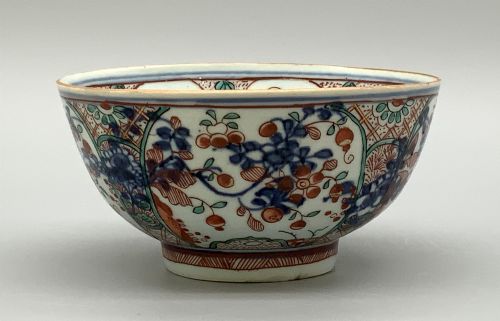
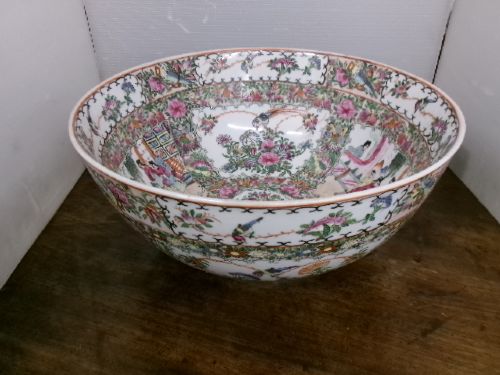
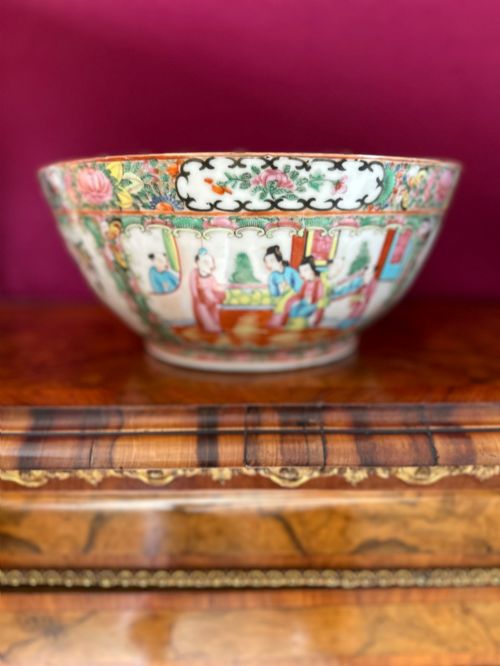
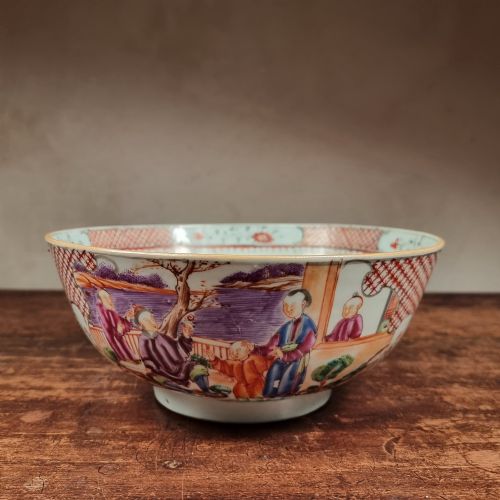
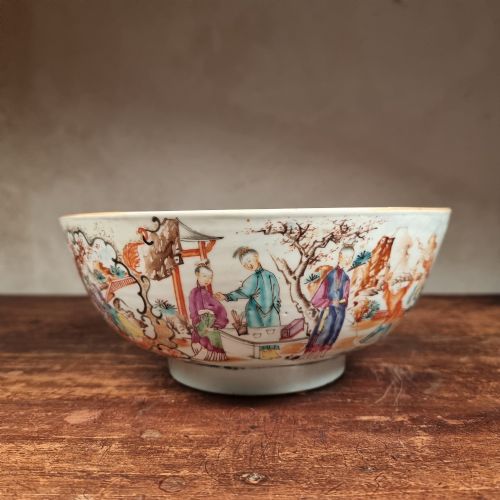
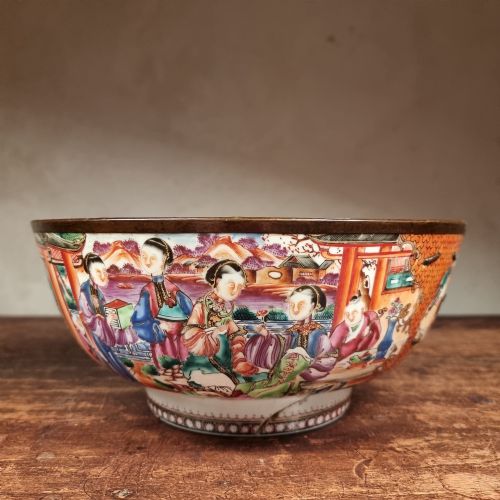
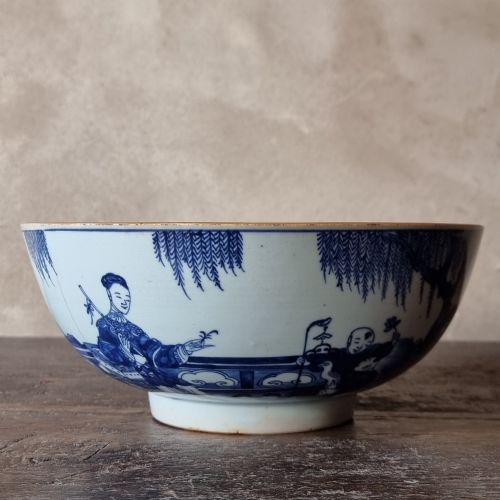
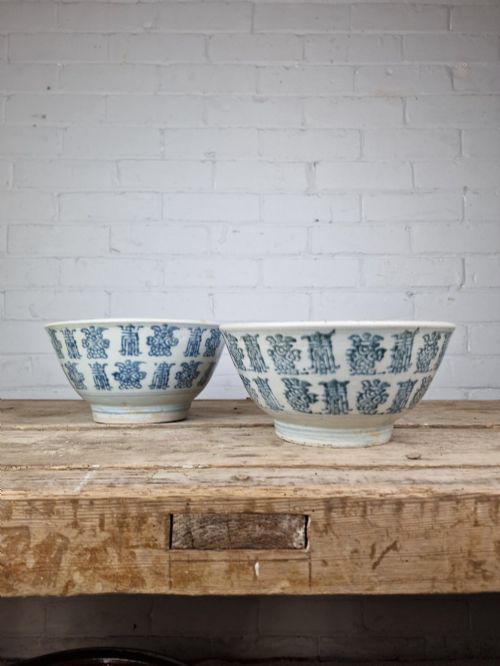
A qing dynasty bowl encompasses a diverse array of utilitarian and ritual vessels produced under the Manchu emperors, ranging from everyday provincial ceramics to grand porcelain punch bowls and heavy bronze censers.
The objects appearing here span the seventeenth century through to the early twentieth century, including pieces bearing marks from reigns such as Kangxi, Qianlong, and Guangxu.
How they were made
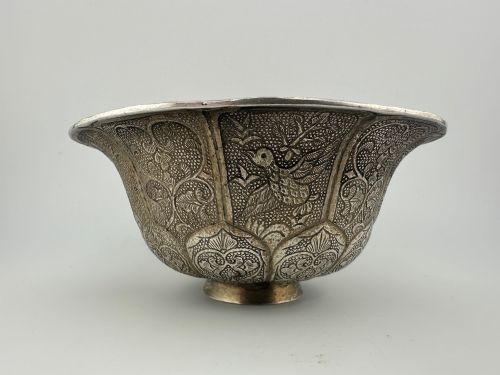
Potters and artisans utilised fine porcelain clay, copper, and bronze, shaping vessels through throwing, moulding, and intricate lost-wax casting techniques.
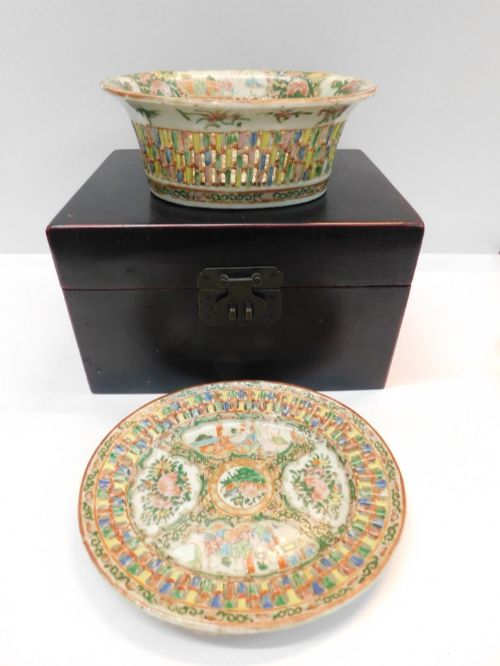
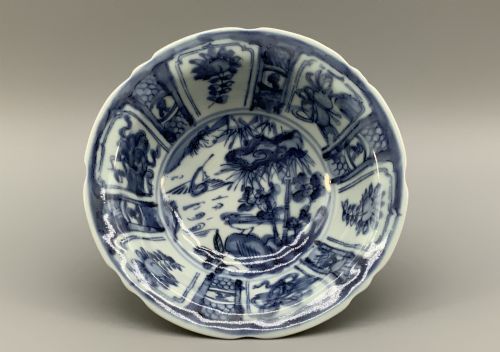
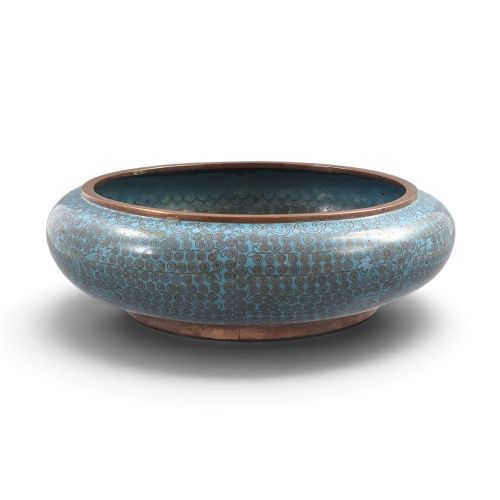
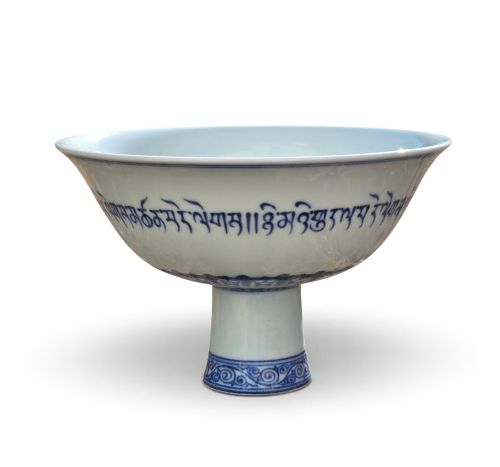
Decoration relied on cobalt underglaze, multi-coloured enamel pigments like famille rose, cloisonné wirework, and monochrome iron rust or chocolate glazes fired at high temperatures.
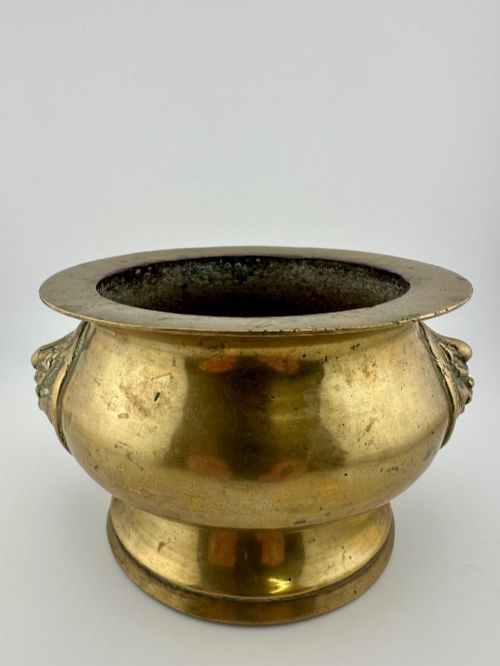
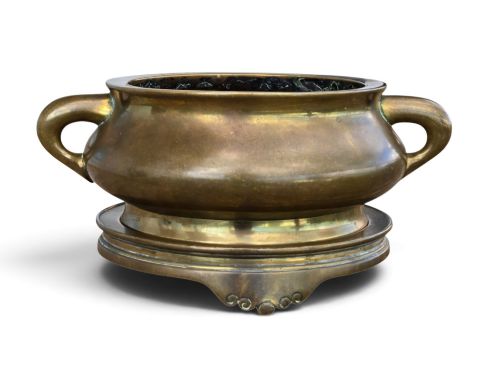
Several heavy bronze censers retain specific scholar studio marks alongside lion mask handles designed to ward off bad luck.
What varies in quality
The refinement of the throwing and the precision of the hand-painted motifs determine the standing of an individual piece, separating standard provincial output from imperial workshop commissions.
The weight, wall thickness, and clarity of the metal casting or the vibrancy and adhesion of the enamel overglazes indicate the level of technical mastery applied during production.
The Qing Dynasty Bowl Glossary
- Famille Rose
- A palette of opaque enamels introduced in the eighteenth century, dominated by pink and rose shades derived from colloidal gold. It allowed artists to render soft tonal gradations on porcelain surfaces.
- Censer
- A vessel designed for burning incense during ritual or scholarly practices. These pieces frequently feature tripod supports or handles shaped as lion masks.
- Kangxi Period
- The era spanning 1662 to 1722, characterised by technical innovations in blue and white porcelain and vibrant monochrome glazes. Pieces from this time often display refined potting and clear cobalt tones.
- Cloisonné
- A metalworking technique where thin flat wires are soldered to a base to form compartments, which are then filled with coloured enamel paste and fired. This method creates intricate patterns on bronze or copper forms.
- Jardiniere
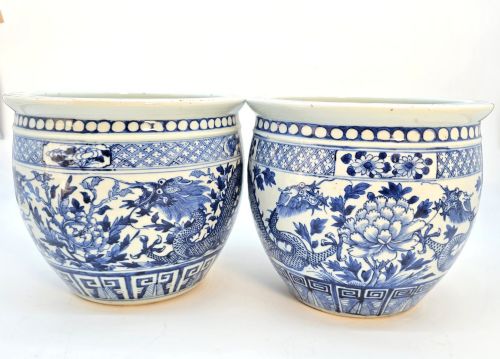
- A large decorative pot or bowl used to house plants or floral arrangements. They appear in ceramic and bronze compositions within imperial and scholar settings.
Qing Dynasty Bowl: Frequently Asked Questions
How were qing dynasty bowls used?
These vessels served diverse functions depending on their form and material, ranging from everyday dining and communal punch service to burning incense in scholar's studios.
Larger ceramic basins and jardinieres held water or plants, while delicate eggshell cups and stem bowls were reserved for ceremonial or display purposes within elite households.
How do I care for antique porcelain bowls?
Display porcelain and enamel pieces away from direct sunlight and areas subject to sudden temperature fluctuations to protect the integrity of the glazes and pigments.
Clean surfaces gently with a dry, soft cloth, avoiding abrasive pads or chemical detergents that might scratch the historical finish.
What is a bronze censer?
A bronze censer is a heavy metallic vessel specifically cast for burning incense, frequently incorporating tripod legs, handles, and scholarly studio marks.
These pieces were valued by literati for their resonant qualities and sophisticated patination developed over centuries of handling.
How are reign marks identified?
Reign marks typically consist of six-character underglaze blue script arranged in vertical columns, naming the specific emperor and dynasty.
Interpreting these marks requires examining the formation of the calligraphy alongside the physical characteristics of the glaze and body to understand the period of origin.