





Canton Enamel Bowl
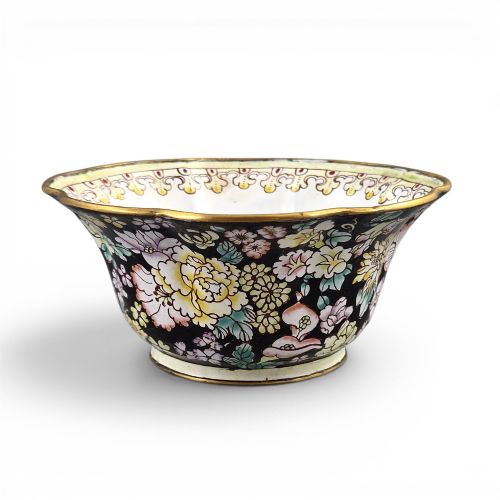
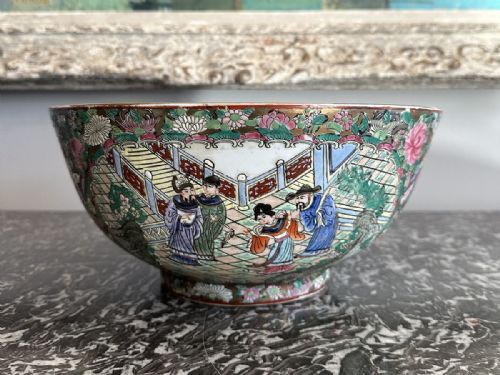
When you handle a canton enamel bowl, you hold a vibrant piece of Chinese export history painted with unmistakable floral and figurative scenes.
Canton Enamel Bowl
A canton enamel bowl brings the distinct palettes of Cantonese craftsmanship into domestic spaces through forms designed for export. You will most frequently encounter nineteenth-century porcelain and copper vessels bearing traditional motifs.
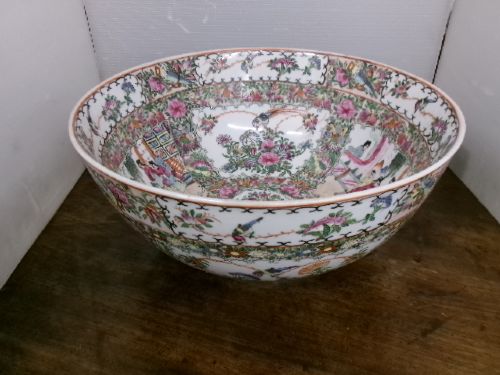
The selection ranges from large punch bowls and rose medallion dishes down to smaller decorative pieces and tea wares. These items span the Qing dynasty, the Victorian era, and the late nineteenth century.
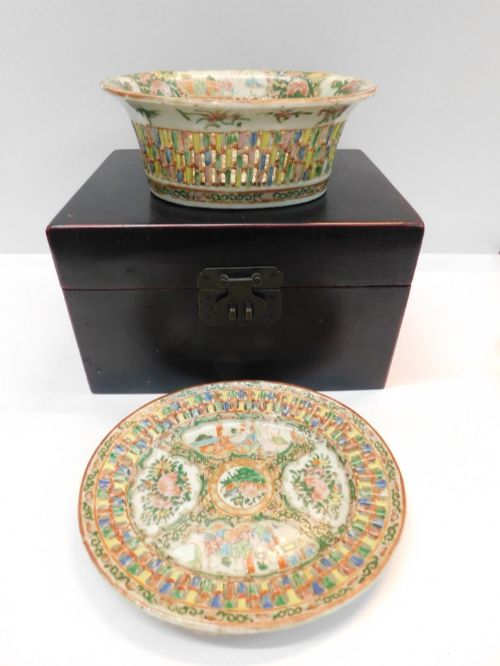
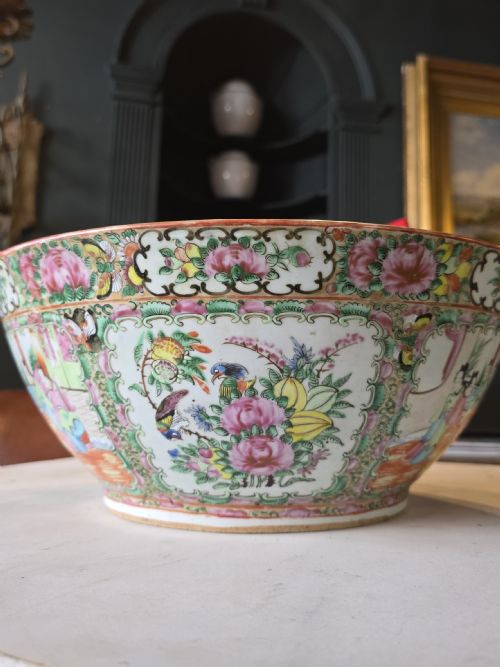
Makers produced both deep punch bowls intended for social gatherings and smaller pedestal dishes or jardinières. Each piece reflects the bustling trade ports of Canton tailored for Western markets.
How they were made
Artisans applied overglaze enamels directly onto porcelain or copper surfaces, frequently incorporating rich gilt and gold leaf highlights. The painting process relied on meticulous handwork to build up complex figurative and botanical scenes.
Firing techniques fixed the vitreous enamels to the ceramic or metallic body at lower temperatures after the initial glaze. This method allowed for brilliant colour saturation across panels filled with butterflies, flowers, and Mandarin figures.
Meticulous butterfly designs hide among the floral panels on export punch bowls, waiting for close inspection.
What varies in quality
The precision and density of the hand-painted details separate standard domestic vessels from exceptional exhibition-grade pieces. Superior examples display crisp lines in the enamel work and generous application of gold leaf.
Scale and proportion also dictate the standing of a vessel, with large punch bowls requiring immense control during the firing process. The clarity of the famille rose palette and the complexity of reticulated or lobbed forms further distinguish finer items.
The Canton Enamel Bowl Glossary
- Famille Rose
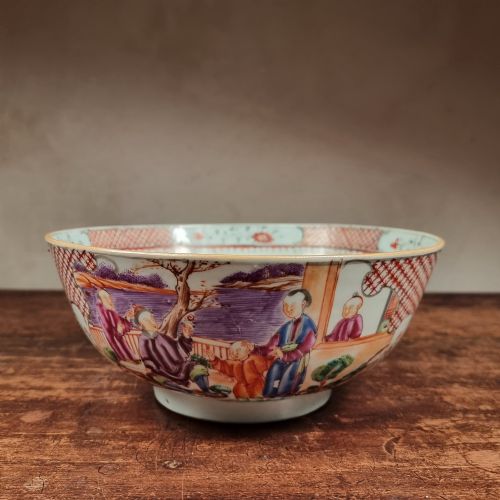
- A palette of opaque pink and rose enamels introduced in Chinese porcelain decoration during the Qing dynasty. This palette defines much of the vibrant floral and figural work seen on export wares.
- Rose Medallion
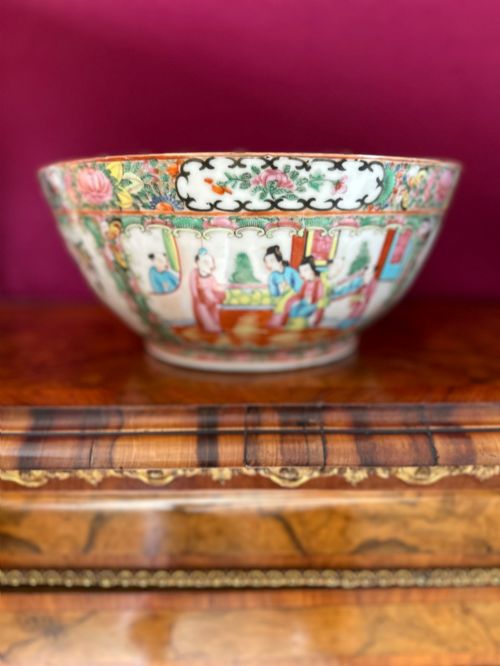
- A specific style of Chinese export porcelain decoration featuring panelled scenes of figures alternating with birds and flowers. It is heavily gilt and densely coloured.
- Gaiwan
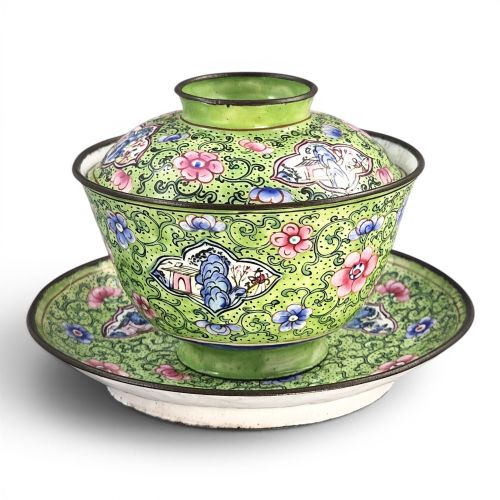
- A traditional Chinese tea set comprising a bowl, saucer, and lid used for steeping and drinking tea. These sets often utilise matching enamel decoration.
- Punch Bowl
- A large open vessel traditionally used for mixing and serving communal drinks during social gatherings. Many export examples measure over fifteen inches in diameter.
- Reticulation
- An openwork or pierced decorative pattern cut into the ceramic body before glazing and firing. This technique appears on specialised baskets and stands.
Canton Enamel Bowl: Frequently Asked Questions
How do I date a canton enamel bowl?
Examine the stylistic markers, provenance clues, and baseline materials such as copper versus porcelain. Nineteenth-century examples often display distinct famille rose palettes and specific trade patterns.
Compare the quality of the hand-painted enamel work against known historical periods like the Guangxu era or the broader Qing dynasty. Subtle shifts in colour saturation and baseline weight help narrow down the decade.
Were these bowls used for food?
Many large punch bowls and export dishes served practical functions during historical banquets and social gatherings. Their robust porcelain construction made them suitable for communal dining.
Over time, owners transitioned these items into purely decorative display objects due to their artistic value and delicate gilt surfaces. Today, collectors generally treat them as focal points for interior styling.
What is the difference between porcelain and copper pieces?
Certain items utilise a metallic copper base coated in painted enamel rather than traditional ceramic paste. These pieces require different thermal handling during creation.
Porcelain variants form the majority of the market, while copper-based enamels offer a distinct weight and tactile feel. Both maintain the vibrant Cantonese aesthetic associated with export trade.
How should I clean my bowl?
Dust the surface gently with a soft, dry cloth to prevent any accumulation of particles in recessed enamel details. Avoid harsh chemical cleaners or abrasive scrubbing that might damage delicate gold leaf.
Keep the piece away from direct sunlight and areas of high humidity to preserve the integrity of the overglaze enamels. Professional conservation is advised for any structural repairs.
What motifs appear on these bowls?
Common decorative schemes include Mandarin figure scenes, dense floral arrangements, and intricate butterfly motifs. Artisans arranged these elements within segmented panels or across the entire open interior.
The inclusion of specific symbols and gilt borders reflects the preferences of the nineteenth-century export market. Each composition tells a visual story rooted in traditional Chinese artistry.