

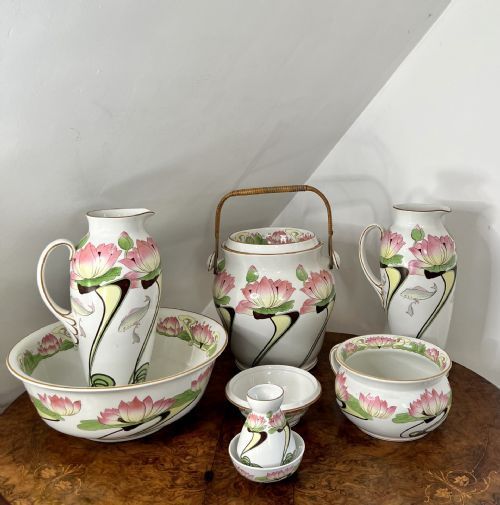

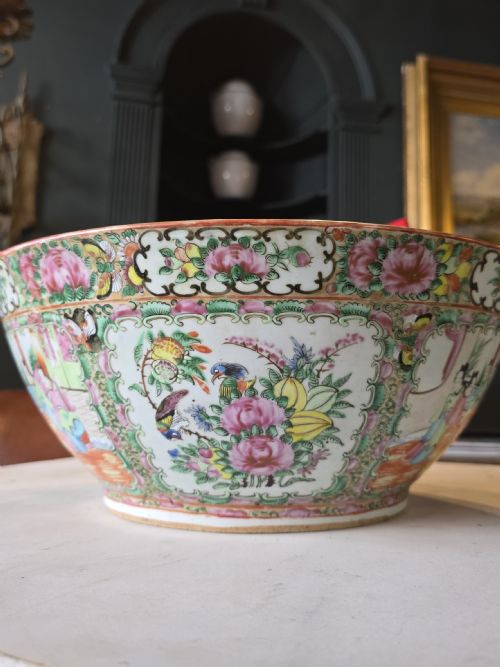


Pink Porcelain Bowl
When you search for a pink porcelain bowl, you are looking at ceramic vessels decorated with soft rose tones and enamel work.
Pink Porcelain Bowl
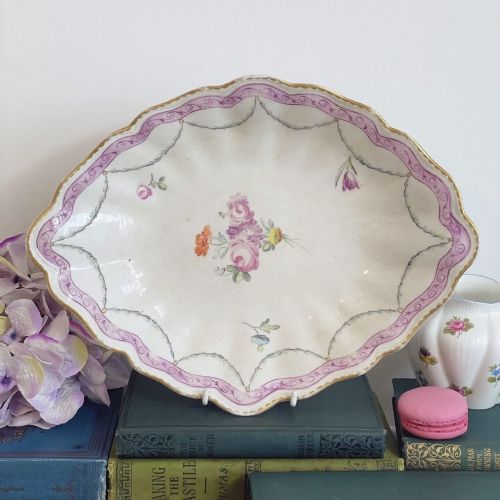
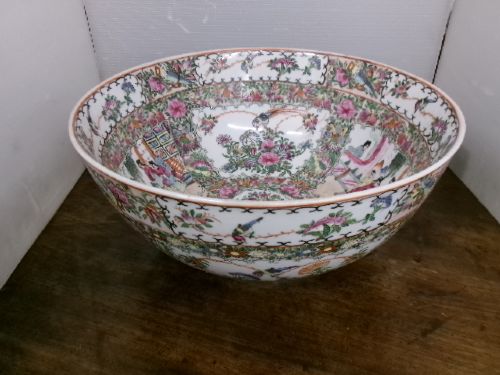
A pink porcelain bowl encompasses pieces originating from eighteenth century European factories and nineteenth century Chinese export kilns alike. Buyers encounter forms ranging from large punch bowls and jardinières down to small tea bowls and serving dishes.
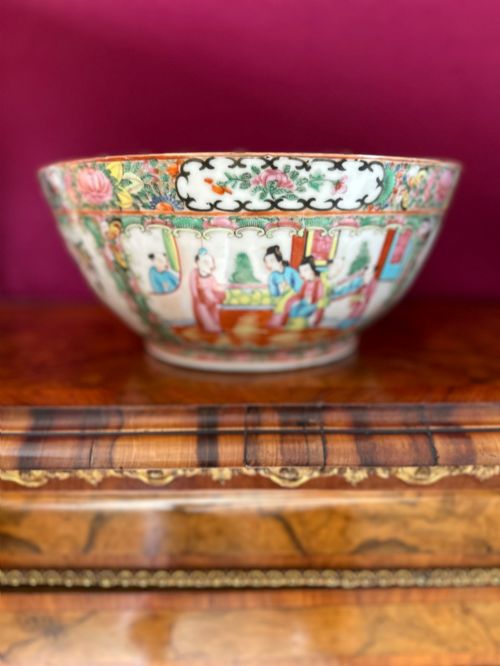
Chinese Canton and Famille Rose wares dominate the selections, alongside English porcelain from makers such as Worcester, Spode, and Derby. Pieces span the Georgian, Victorian, and Edwardian eras, extending into twentieth century Art Deco designs.
Materials and Techniques
Potters shaped these vessels from ceramic and porcelain paste, sometimes utilising felspar porcelain or hard paste bodies. Artisans applied glazes and fired the pieces before adding decorative elements.
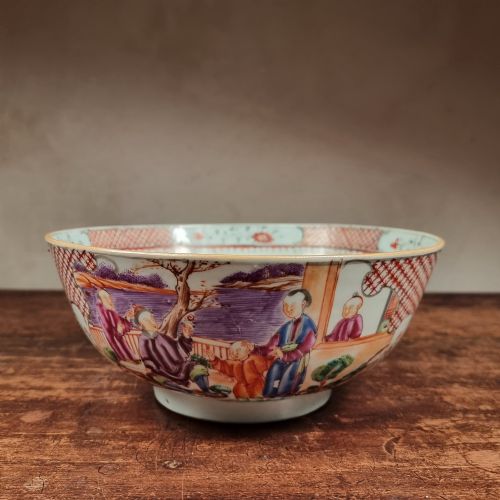
Overglaze enamel pigments provided the pink and polychrome colour schemes, supplemented by gold leaf, gilding, and handpainted motifs. Certain wares utilised transfer printing or intricate handpainted scenes featuring figures and botanical subjects.
Listings feature porcelain pieces spanning the 18th century, 19th century, and early 20th century, including Art Nouveau and Art Deco designs.
Assessing Quality
Quality rests upon the precision of the handpainting and the complexity of the enamel palette. Finely executed brushwork on intricate scenes distinguishes superior items from simpler production pieces.
The crispness of the porcelain body, the even application of glaze, and the preservation of gilding determine the standing of each bowl. Condition of the overglaze enamels through successive firings dictates the overall integrity.
Derby·Spode·Wedgwood·Royal Worcester·Richard Ginori·Chelsea·Samson Of Paris·Flight, Barr and Barr·Royal Dux
The Pink Porcelain Bowl Glossary
- Famille Rose
- A palette of Chinese ceramic glazes introduced in the eighteenth century, dominated by opaque pink or rose enamel derived from colloidal gold.
- Canton
- A style of Chinese export porcelain decorated in vibrant polychrome enamels, often featuring panels of figures, birds, and flowers.
- Overglaze enamel
- Pigments applied over the fired glaze and subjected to a second, lower temperature firing to fuse the colours to the surface.
- Felspar porcelain
- A specific body composition utilising feldspar that creates a translucent and durable ceramic material developed during the Georgian period.
- Teabowl
- A small, handleless drinking vessel designed for tea consumption, popular in eighteenth century sets alongside matching saucers.
Pink Porcelain Bowl: Frequently Asked Questions
What is a pink porcelain bowl used for?
These vessels served various functions throughout history, from large punch bowls and serving dishes used at formal dining tables to decorative centrepieces and jardinières.
Smaller examples, such as tea bowls, were designed for beverage consumption within domestic settings, while others functioned as display pieces in reception rooms.
How do I date a porcelain bowl?
Dating relies on examining the characteristics of the ceramic body, the style of the handpainted motifs, and any factory marks stamped or painted on the base. Comparing the palette and shape to known period examples helps establish an approximate timeframe.
Changes in manufacturing techniques from the eighteenth century through the Art Deco era provide reliable chronological markers.
How do I care for antique porcelain?
Antique porcelain requires gentle handling and should be washed by hand in lukewarm water using mild soap, avoiding abrasive sponges or harsh detergents. Sudden temperature changes must be avoided to prevent stress to the glaze and ceramic body.
Displaying pieces away from direct sunlight protects vulnerable overglaze enamels and gilding from fading over time.
What is Chinese export porcelain?
Chinese export porcelain refers to wares manufactured in China specifically for the European and American markets from the Ming dynasty onwards. These pieces combined traditional Chinese potting techniques with decorative styles requested by Western buyers.
Such wares often incorporated armorial designs or specific floral motifs tailored to foreign tastes.