




Gilded Japanese Urns
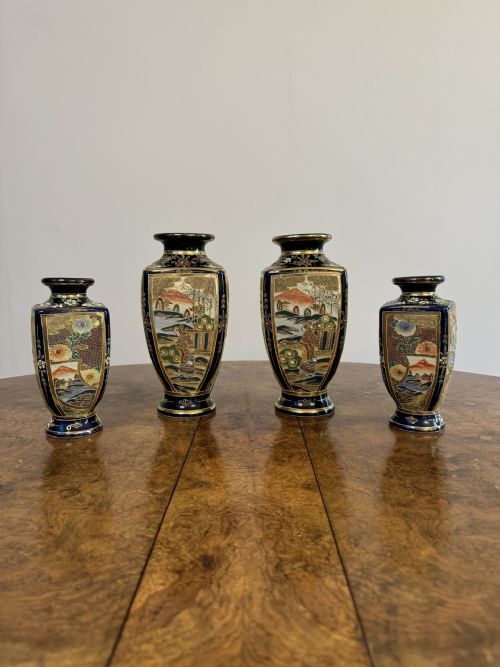
Gilded Japanese urns bring together intricate ceramic forms and metallic highlights from the Meiji period and Victorian eras.
Gilded Japanese Urns
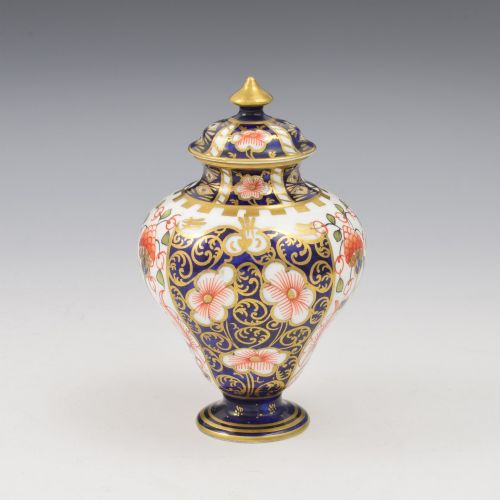
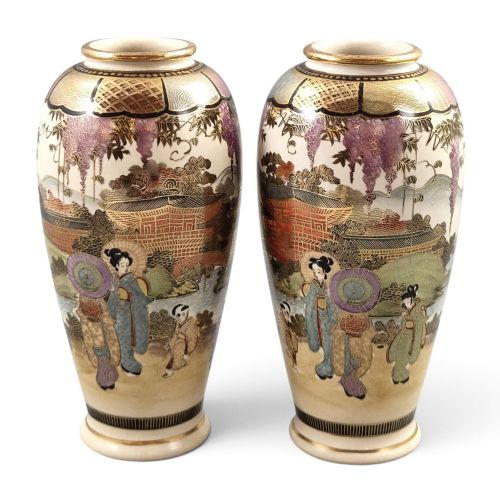
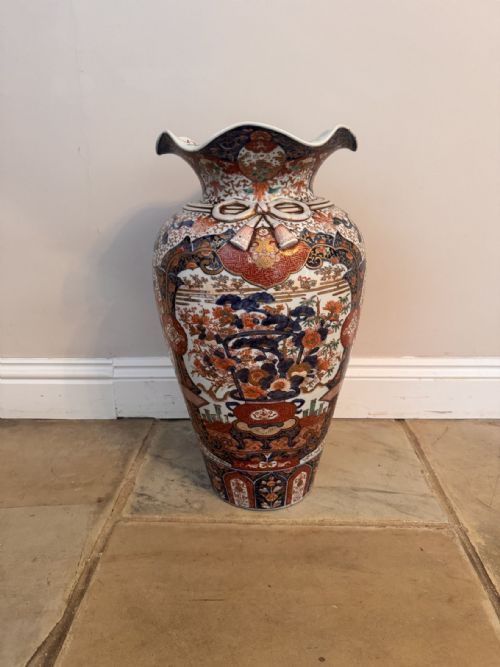
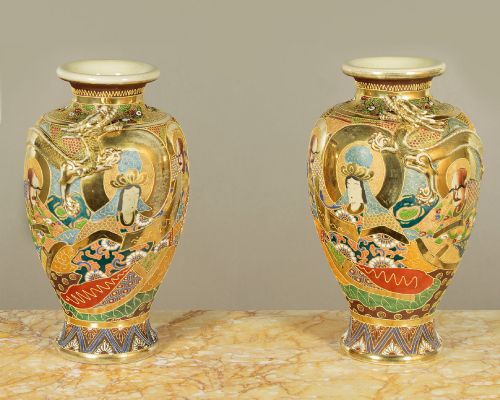
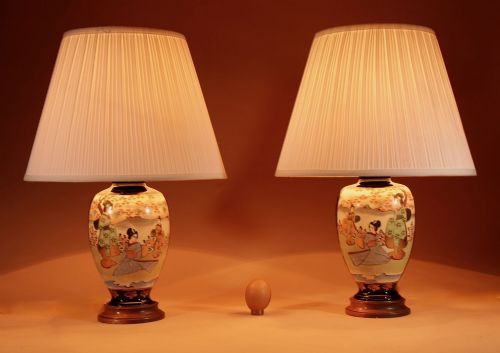
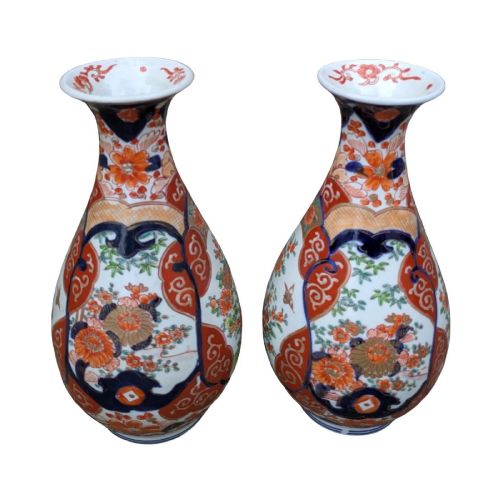
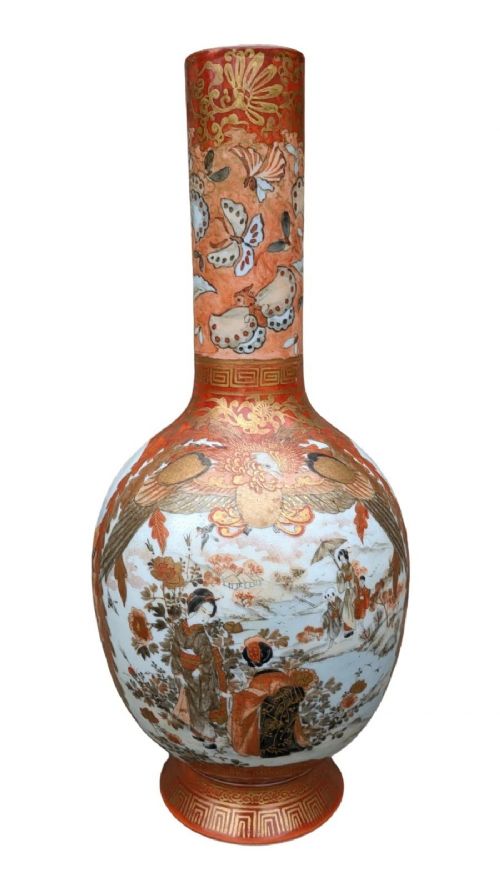
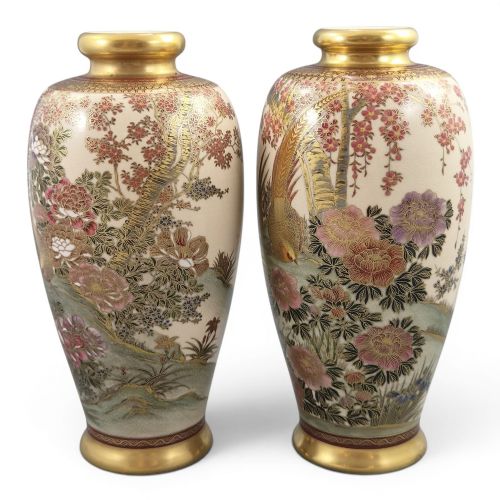
Buyers commonly encounter Satsuma earthenware and Imari porcelain on this page, frequently decorated with gold leaf, gilt highlights, and intricate enamel work. Forms range from miniature cabinet pieces to monumental floor-standing pairs and garnitures intended for display on mantelpieces or tables.
Materials and construction
Potters shaped earthenware and porcelain bodies on the wheel or in moulds before applying glazes, underglaze pigments, and elaborate enamel palettes. Earthenware Satsuma pieces typically feature a fine network of crackle glaze acting as a stable base for detailed polychrome painting.
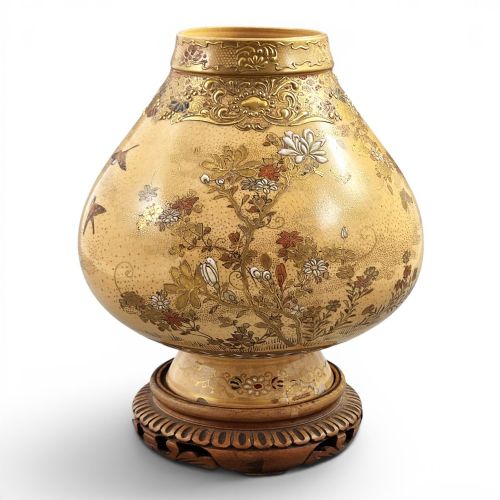
Gilding was applied using gold leaf or gold gilt, highlighting figures, borders, and raised moriage details. Workshops utilised bronze and wood for specific mountings or stands, complementing the ceramic bodies with durable structural support.
Listings span the nineteenth and twentieth centuries, uniting Victorian tastes with Meiji period craftsmanship across earthenware and porcelain bodies.
Assessing craftsmanship
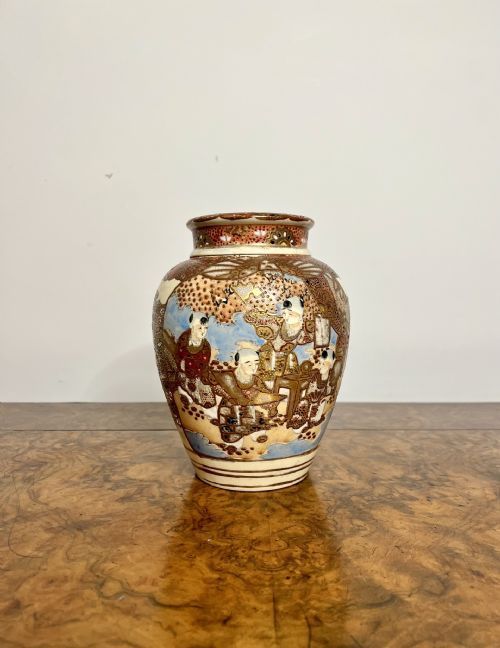
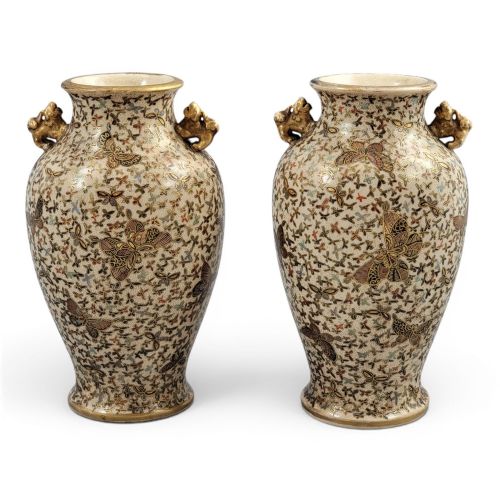
Quality separates mass-produced export wares from pieces executed by renowned Meiji period workshops and signed artists. Precision in the brushwork of court figures, landscapes, or thousand butterfly motifs dictates the distinction at the upper end of the range.
The density and crispness of the gilt work, along with the preservation of the delicate enamel and crackle glaze, determine the overall integrity of the vessel. Original stands and well-preserved lids further elevate the standing of matched pairs and garnitures.
Shozan·Manpei·Kinkōzan·Hotoda·Kato Sanhei·Chosei·Seiko-en Chokei·Yamashu·Tagawa
The Gilded Japanese Urns Glossary
- Satsuma
- A type of Japanese earthenware featuring a pale, ivory-coloured crackle glaze that readily accepts polychrome enamel and gold decoration. It became immensely popular for Western export markets during the Meiji period.
- Imari
- A style of Japanese porcelain decorated in underglaze blue, iron red, and abundant gold highlights. The palette originates from production centres around Arita.
- Moriage
- A decorative ceramic technique using slip to build up raised dots and lines before applying colour and gilding. This creates a tactile, three-dimensional surface texture.
- Garniture
- A set of matching vases or jars designed to be displayed together on a mantelpiece or sideboard. These sets typically comprise three or five pieces.
- Koro
- A traditional Japanese incense burner fitted with a pierced cover. They frequently stand on three legs and feature decorative handles.
Gilded Japanese Urns: Frequently Asked Questions
How do I distinguish Satsuma from Imari?
Satsuma pieces are constructed from earthenware with a characteristic ivory crackle glaze and detailed enamel painting enhanced by gold leaf. Imari items consist of hard-paste porcelain decorated in a distinct palette of underglaze blue, iron red, and gilt.
Satsuma surfaces often depict complex figurative scenes with raised moriage work, whereas Imari patterns typically rely on floral and geometric motifs executed directly onto the porcelain body.
Were these vessels made for export?
The majority of these gilded ceramic vessels were produced specifically for international export during the late nineteenth and early twentieth centuries. European and American demand shaped the scale and ornamentation of these export wares.
International exhibitions in Paris and London encouraged Japanese potteries to adapt traditional forms into grand garnitures and decorative vases suited to Western domestic interiors.
How should I clean gilded surfaces?
Gilded ceramic surfaces require gentle maintenance using a soft, dry microfibre cloth to remove accumulated dust. Avoid using water, abrasive cloths, or chemical cleaning agents, which can damage delicate enamel and gold leaf.
Keeping these pieces out of direct sunlight prevents the pigments and glazes from fading over extended periods of display.
What does a signature indicate?
Signatures on the base or body generally denote the artist, the producing workshop, or the Kyoto family studio responsible for the decoration. Prominent names include the Kinkōzan workshop and artists such as Hotoda.
Some signatures are painted in gold or iron red, while others are impressed directly into the clay before firing, helping to date and attribute the piece.