



Iron Red Ceramic Vessel
An iron red ceramic vessel brings rich iron-red enamel and gold leaf highlights to any room, offering traditional form and striking detail.
Iron Red Ceramic Vessel
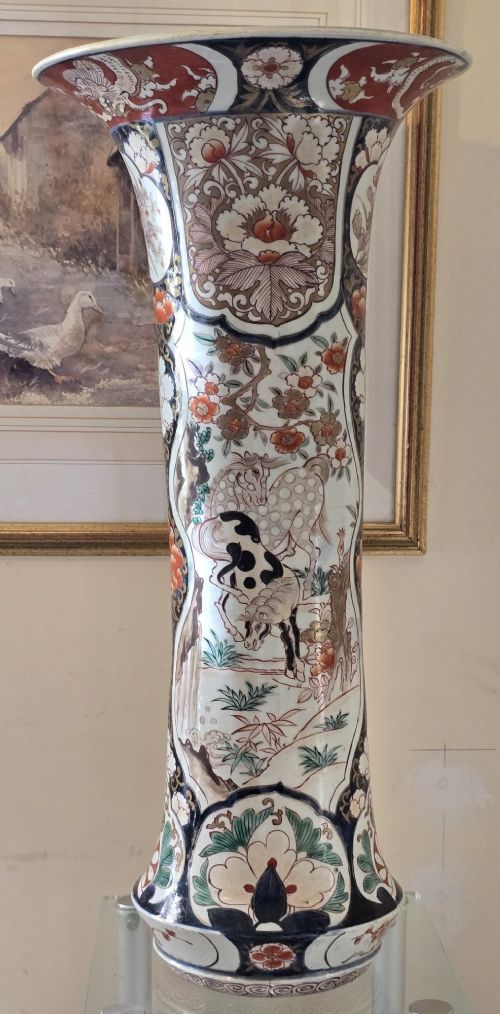
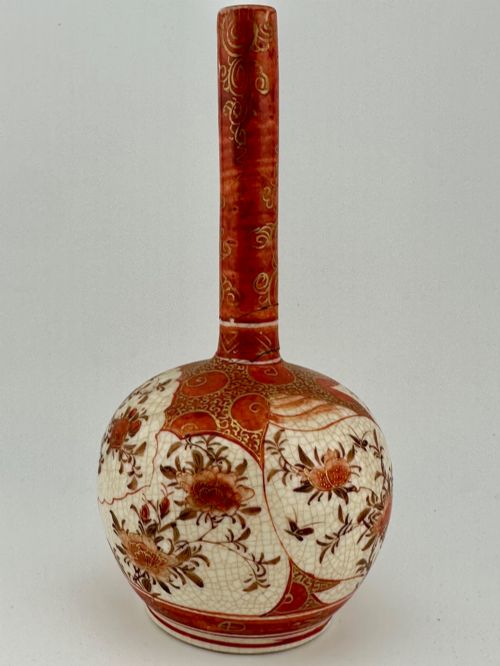
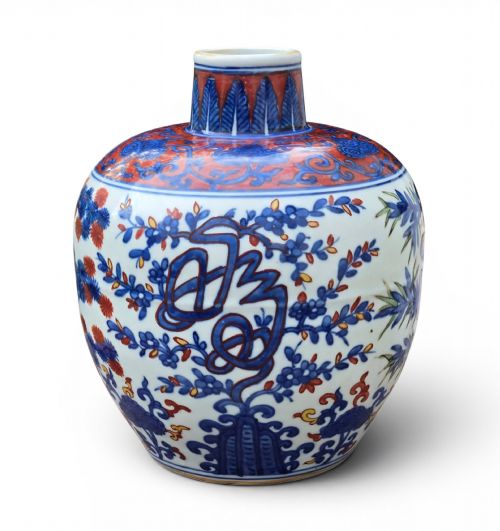
An iron red ceramic vessel encompasses various forms such as vases, decorative jars, bowls, jardinieres, and ewers. These pieces originate from distinct periods, including the sixteenth century and the nineteenth century.
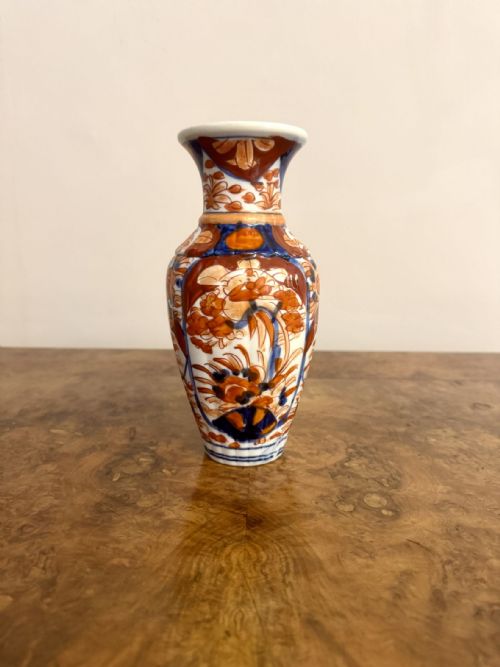
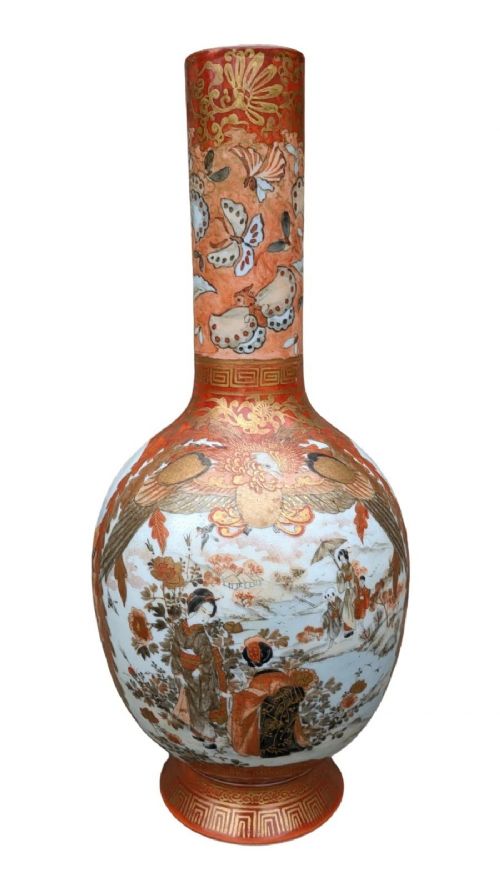
Buyers frequently encounter Japanese Imari and Kutani wares on this page. These ceramic pieces display complex patterns utilising enamel, glaze, and gilding.
The selection ranges from small hand-painted vases to large pairs of ginger jars and hexagonal vessels. Each object demonstrates specific regional styles from eras such as the Meiji period and the Ming dynasty.
What varies in quality
The refinement of the hand-painted brushwork distinguishes standard examples from superior pieces. Crisp lines in the iron-red enamel and precise application of gold leaf indicate higher skill.
Form complexity and structural integrity also separate the grades. Hexagonal shapes, scallop-edged bowls, and matching pairs demonstrate greater ambition in design and execution than simpler single vessels.
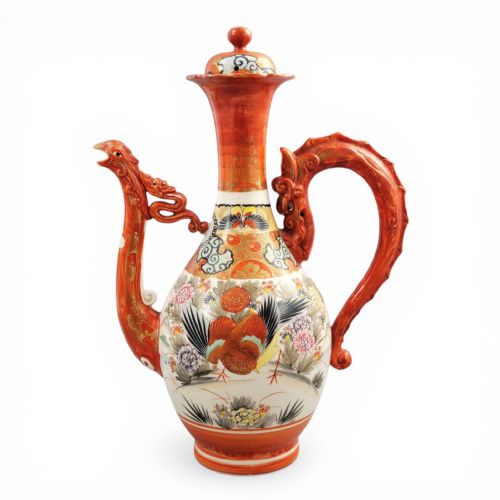
Some nineteenth-century ewers come equipped with sculpted phoenix spouts ready to pour imaginary tea.
The Iron Red Ceramic Vessel Glossary
- Iron-red enamel
- A vibrant orange-red pigment applied over the glaze and fired at lower temperatures. This mineral colour forms a cornerstone of traditional Japanese and Chinese ceramic decoration.
- Overglaze enamel
- Coloured glass paste painted on top of a fired and glazed ceramic body. It requires a secondary, cooler kiln firing to bond the pigments.
- Imari
- A traditional style of Japanese porcelain featuring a distinct palette of iron-red, cobalt blue, and gold. Makers produced these wares for both domestic use and export.
- Kutani
- A style of Japanese coloured porcelain known for bold pictorial designs and rich gilding. These pieces often depict figures, birds, and natural landscapes.
- Jardiniere
- A large decorative ceramic pot or bowl designed to hold live plants or flowers. They frequently appear in pairs with substantial dimensions.
Iron Red Ceramic Vessel: Frequently Asked Questions
What is an iron red ceramic vessel?
An iron red ceramic vessel is a porcelain piece decorated with iron-red enamel, often combined with cobalt glaze and gold leaf. These objects include vases, ginger jars, and bowls created in traditional Asian styles.
They reflect historical periods ranging from sixteenth-century Ming wares to nineteenth-century Japanese Meiji production. Each item serves a decorative purpose through its painted surface and form.
How do I identify Meiji period Imari?
Meiji period Imari pieces typically feature porcelain bodies decorated with underglaze blue and overglaze iron-red enamel, frequently accented with gilding. Look for traditional motifs and forms produced in Japan between eighteen sixty-eight and nineteen twelve.
Potters during this era created everything from small hand-painted vases to large hexagonal vessels and oval jardinieres. The combination of cobalt glaze and iron-red enamel remains a primary identifier.
Where were Kutani wares made?
Kutani wares originated in the Kaga province of Japan and are celebrated for their pictorial designs. These ceramics utilise bold overglaze enamels and gold leaf to depict detailed scenes.
Pieces seen here include ewers with phoenix spouts and ginger jars from the nineteenth century. The style is recognised by its dense colour palette and fine hand-painted execution.
How should I display a large jar?
Large decorative jars and vases require stable surfaces that can support their substantial weight and height. Placing them away from busy pathways prevents accidental knocks.
Pair matching ginger jars or vases symmetrically on sideboards or mantelpieces to balance the room. Single vessels work well as focal points on standalone stands.