


Blue White Porcelain Boats
Blue white porcelain boats bring remarkable cobalt decoration and historic utility to the table, ranging from delicate sauceboats to decorative vessels.
Blue White Porcelain Boats
When you search for blue white porcelain boats, you are looking at functional tableware and decorative vessels created primarily during the eighteenth and nineteenth centuries. These pieces encompass utilitarian items designed for the dining table, such as sauceboats, sauce tureens, pickle dishes, and butter boats, alongside ornamental ship vessels.
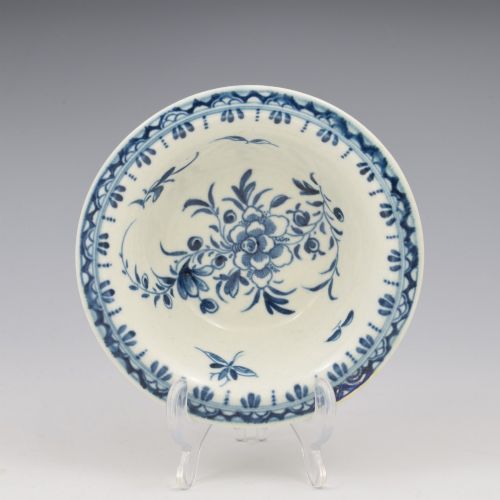
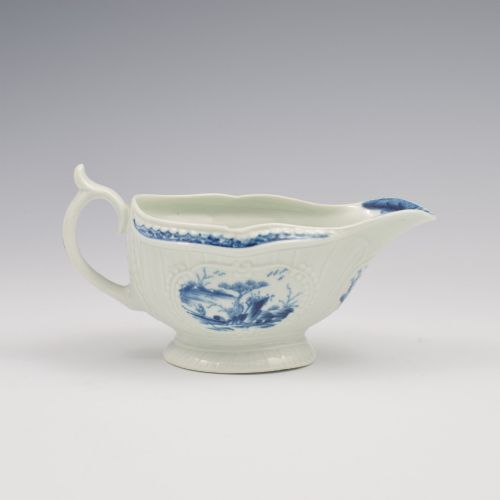
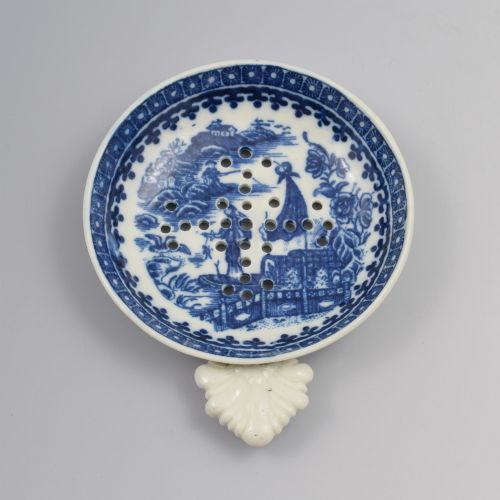
The selection on this page relies heavily on eighteenth-century English factories like Worcester, Bow, and Caughley, alongside nineteenth-century ironstone and Meiji period Japanese works. sauceboats and pickle dishes dominate the offerings, often decorated with transfer-printed or hand-painted cobalt designs like the fisherman pattern.
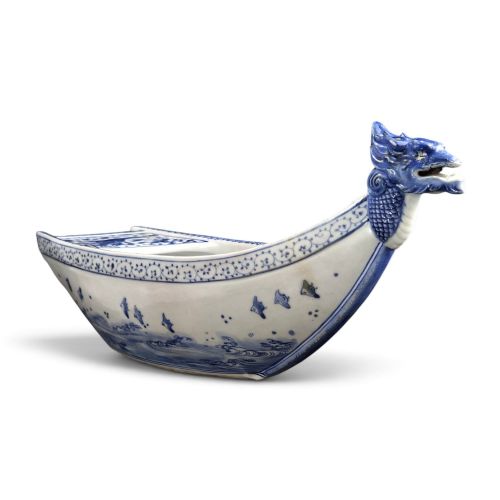
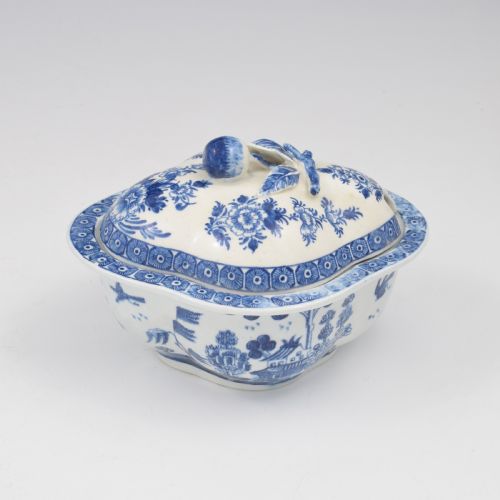
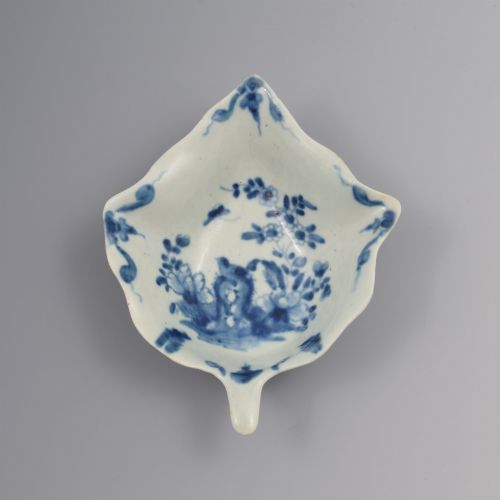
Collectors encounter diverse forms, from triangular platform sauce boats and quatrefoiltureens to leaf-shaped pickle dishes and dragon-head ship vessels. These objects served practical dining functions in period homes before transitioning into cabinet pieces and prized collector items.
How they were made
Potters utilised soft-paste porcelain, hard-paste porcelain, and ironstone as the body materials for these vessels, applying cobalt glaze under the final glassy coat to achieve the iconic blue decoration. Artisans shaped these clays either by hand-throwing on a wheel, pressing into moulds, or casting, creating the intricate forms seen in leaf dishes and ships.
The cobalt pigment was applied directly onto the unfired or biscuit body before glazing and high-temperature firing, which locked the blue design permanently beneath the glossy surface. Some later or more ornate pieces incorporated supplementary enamel colours and gilt highlights over the glaze for added visual depth.
Listings feature eighteenth-century soft-paste porcelain sauceboats alongside nineteenth-century ironstone tureens and Meiji period Japanese ship vessels.
What varies in quality
Quality in these pieces rests upon the crispness of the cobalt painting or transfer printing and the purity of the porcelain body. Early English soft-paste bodies and precise brushwork on delicate items like patty pans command greater attention from serious collectors.
The sophistication of the modelling also dictates distinction, separating standard utility tableware from sculptural works like dragon-head ships or moulded leaf dishes with intricate handle details. Preservation of the original glaze and the absence of heavy restoration maintain the integrity of the piece.
Dr Wall Worcester·Caughley Porcelain·Bow Porcelain·Derby Porcelain·Masons Ironstone·Mikawachi Hirado
The Blue White Porcelain Boats Glossary
- Soft-paste porcelain
- A ceramic composition made from white clay, glass frit, and other materials that melts at lower temperatures than hard-paste. It produces a warm, creamy body often found in eighteenth-century English factories.
- Cobalt glaze
- A metallic oxide pigment used under the glaze to create deep blue coloration on ceramics. It withstands high firing temperatures without losing its rich tone.
- Sauceboat
- A ceramic vessel with a lip and handle designed for serving gravies and sauces at the dining table. Eighteenth-century examples often feature elaborate moulded scrollwork.
- Pickle dish
- A small, shallow dish, frequently leaf-shaped, used during Georgian meals to serve pickles and relishes. They showcase delicate blue and white transfer prints.
- Ironstone
- A heavy, durable earthenware patent developed in the nineteenth century for robust tableware. It offers high resistance to chipping while imitating porcelain.
Blue White Porcelain Boats: Frequently Asked Questions
How do I identify a First Period Worcester sauceboat?
First Period Worcester pieces usually display fine soft-paste bodies with translucent qualities and characteristic cobalt blue painting under the glaze. Look for classic patterns such as the fisherman or peony designs alongside early potting marks.
Examination of the base often reveals characteristic potters' marks or the absence of marks typical of the mid-eighteenth century. The quality of the moulding and the deep cobalt hue under a clear glaze further confirm the period.
What were eighteenth-century pickle dishes used for?
Pickle dishes served small portions of pickled vegetables, relishes, and condiments during formal Georgian and eighteenth-century dinners. Their small leaf or shell forms allowed them to be arranged neatly around larger platters.
As dining habits changed, these charming dishes transitioned from functional table service to decorative collector cabinets. Their intricate blue and white patterns made them desirable display items.
Are nineteenth-century ironstone sauce tureens durable?
Nineteenth-century ironstone tureens were manufactured to withstand heavy daily use on dining tables. The dense, vitrified earthenware body resists chipping much better than earlier soft-paste porcelain.
This durability makes ironstone pieces practical for contemporary home use while retaining antique character. They often include matching ladles and decorative handles.
What is the difference between soft-paste and ironstone?
Soft-paste porcelain is a translucent, glassy ceramic body fired at lower temperatures, prized for its warmth and historic eighteenth-century provenance. Ironstone is a dense, opaque, and robust nineteenth-century earthenware designed for utilitarian strength.
Soft-paste pieces require gentle handling due to their delicate composition. Ironstone provides a heavier, sturdier alternative suited to robust service.