


Georgian Sauce Boat
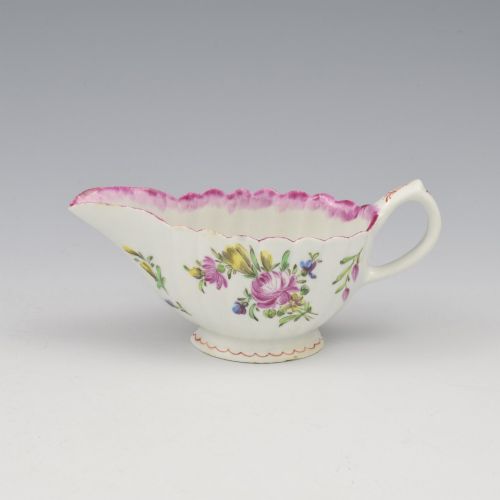
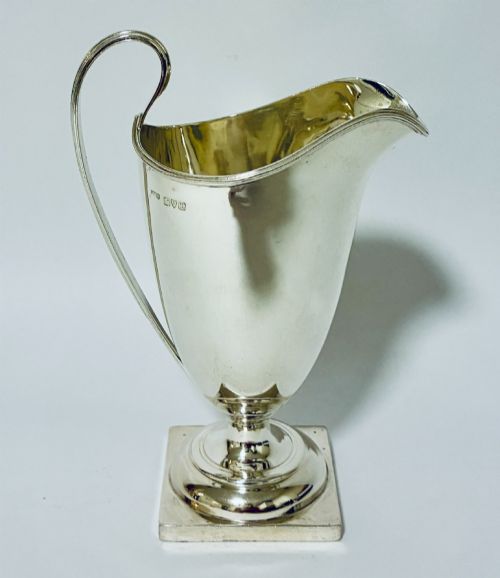
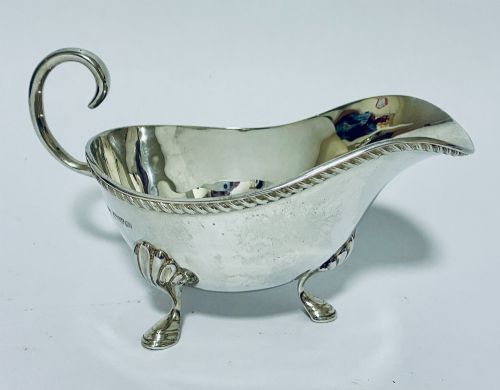
A georgian sauce boat holds gravy or drawn butter with eighteenth-century elegance, standing on three cast feet or a pedestal base.
Georgian Sauce Boat
A georgian sauce boat serves rich gravies, drawn butter, and thin condiments at formal dining tables, shaped with a deep pouring lip and a single curved handle.
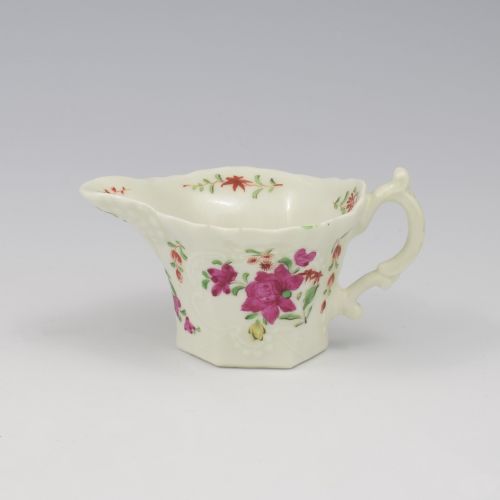
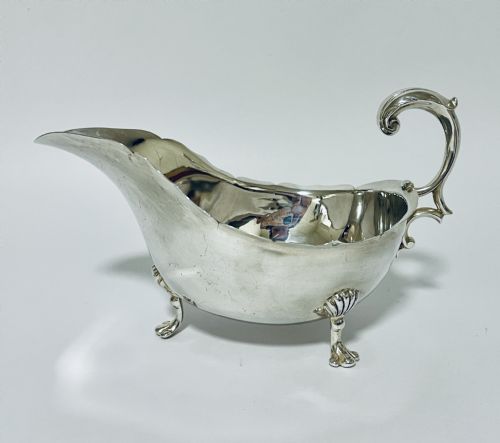
Collectors encounter pieces cast in sterling silver or formed from soft-paste porcelain and earthenware, often shaped with scrolling handles and scalloped rims.
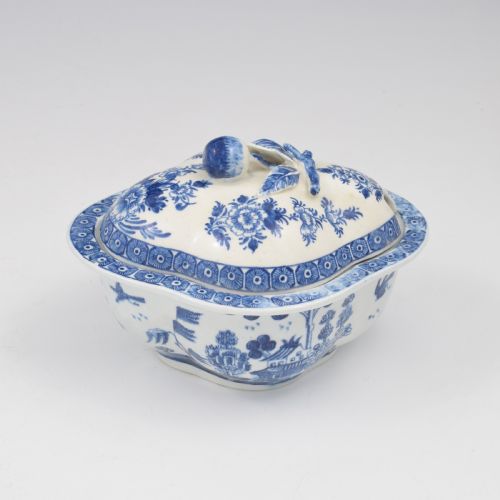
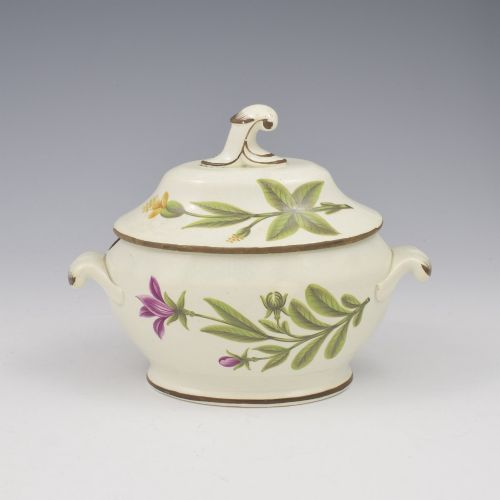
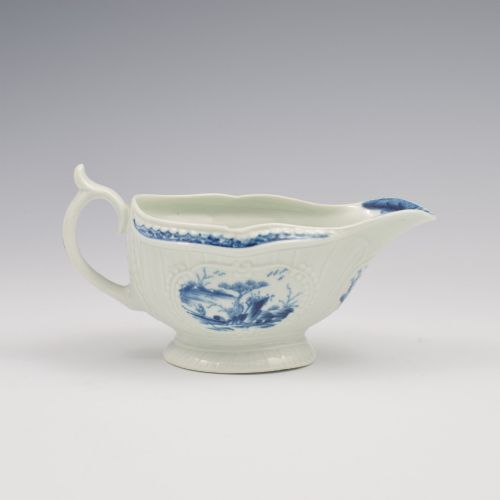
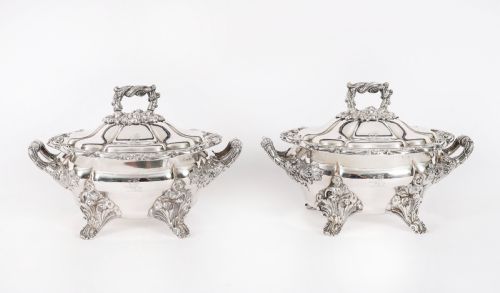
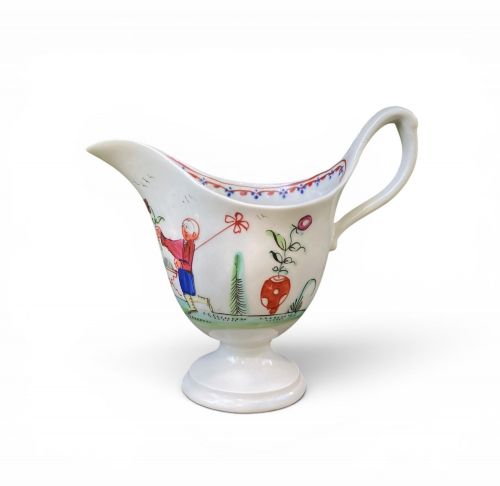
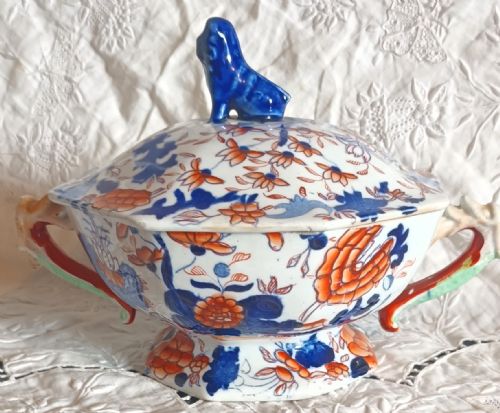
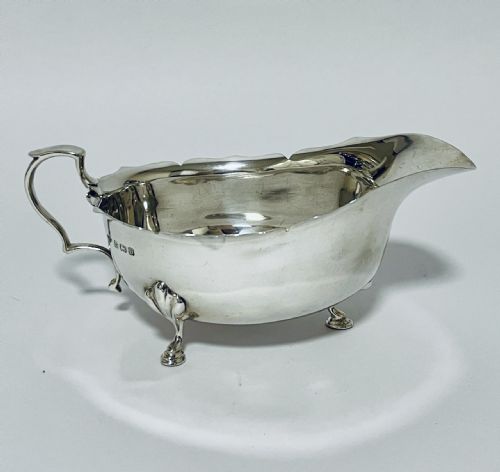
The selection ranges from eighteenth-century porcelain vessels decorated with blue and white Chinese figures to later silver pedestal boats and plated tureens with matching covers.
How they were made
Silversmiths hammered silver sheets into raised bodies, casting separate scroll handles and tripod feet before soldering them together.
Potters shaped soft-paste porcelain in moulds, applying cobalt blue underglaze decoration or hand-painted enamel patterns before high-temperature firing.
Manufacturers utilised Old Sheffield plate by fusing silver sheets to copper bases, creating durable vessels with rich metallic lustre.
Listings feature eighteenth-century soft-paste porcelain alongside sterling silver and Old Sheffield plate vessels from the georgian and regency periods.
What varies in quality
Weight and balance separate superior silver pieces from lighter examples, dictating how comfortably the vessel sits in the hand during pouring.
Crispness of detail in chased embossing, rococo scrolls, and cast handle attachments distinguishes master silversmith work from standard commercial output.
Porcelain quality depends on the clarity of the white glaze, precision of blue and white transfer printing, and absence of firing distortions.
Dr Wall Worcester·Flight Barr And Barr·James Welch·William Grundy·Walter Brind·Ambrose Boxwell·William Collins·William Shaw·George Smith II·James Hewitt
The Georgian Sauce Boat Glossary
- Soft-paste porcelain
- An early ceramic composition fired at lower temperatures than hard paste, known for a creamy translucent body and soft glaze absorption. It was widely utilised by eighteenth-century English factories such as Bow and Worcester.
- Pedestal base
- A raised circular or oval foot that elevates the main vessel body above the dining table. This form gained popularity during the mid-eighteenth century for both silver and ceramic service vessels.
- Old Sheffield plate
- A composite material formed by fusing a thin layer of sterling silver to a thicker copper core under heat and pressure. It allowed makers to produce luxurious tableware without solid silver costs.
- Argyle
- A specialised gravy warmer featuring a heated inner core or double wall to keep sauces warm at the table. These vessels often resemble small lidded pots with side handles and spouts.
- Quatrefoil
- A symmetrical four-lobed shape frequently utilised for the rims and bases of eighteenth-century porcelain tureens and sauce boats. The form adds architectural interest to the serving piece.
Georgian Sauce Boat: Frequently Asked Questions
How do I distinguish porcelain sauce boats from silver ones?
Porcelain examples display white ceramic bodies with painted or printed underglaze decorations, such as blue and white Chinese figures. They require gentle handling to preserve the glaze.
Silver examples show metallic patination and hallmarks stamped into the metal. They rely on chased forms and cast feet for their decorative appeal.
Were these pieces used individually or in pairs?
Many silver and plated sauce boats were produced as matched pairs to balance formal dining tables. Diners placed them at opposite ends of long serving spreads.
Porcelain examples frequently survived individually as cabinet specimens or usable tableware items.
How do I care for antique silver and porcelain?
Silver vessels benefit from gentle cleaning with specialised non-abrasive silver polish to maintain their reflective surface. Store them away from damp environments to prevent tarnishing.
Porcelain pieces require hand washing in lukewarm water with mild detergent. Avoid mechanical dishwashers to protect the historic glaze and enamel details.