
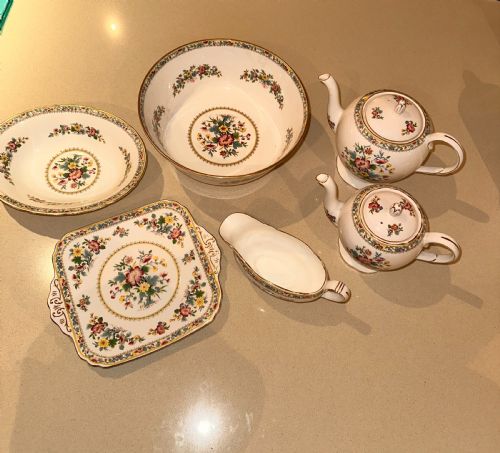


Hand Painted Ceramic Boat
These hand painted ceramic boat forms combine utility and ornament, offering buyers centuries of painted porcelain and earthenware vessels.
Hand Painted Ceramic Boat
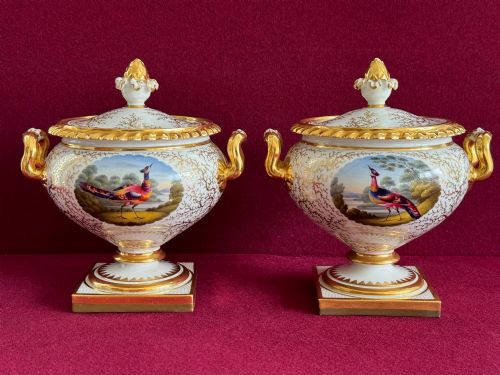
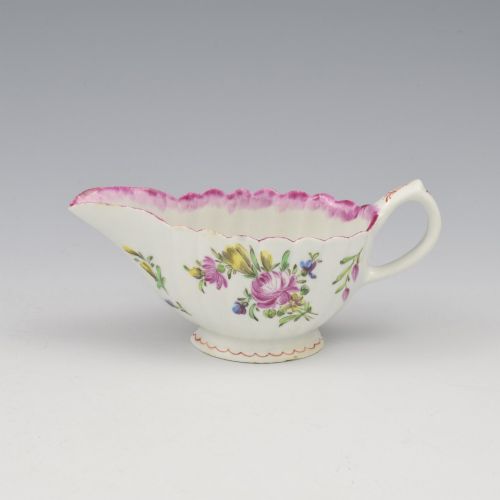
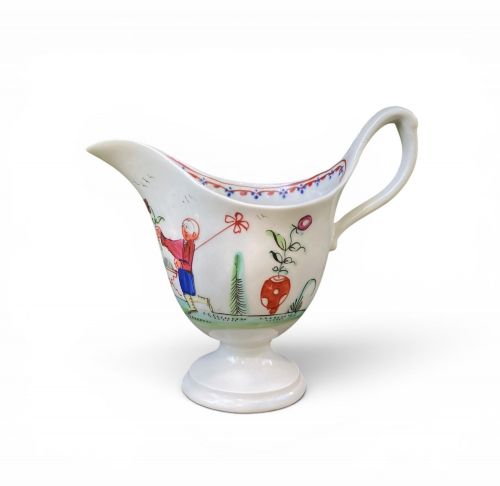
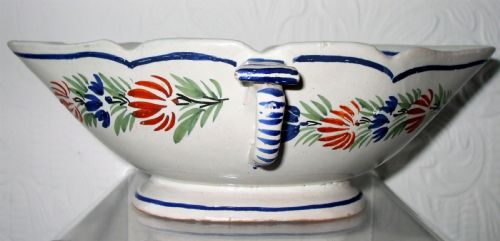
A hand painted ceramic boat encompasses functional table vessels such as sauce boats, sauceboats, sauce tureens, cream jugs, cream boats, and decorative boat shaped dishes. The selection on this page spans from the eighteenth century through the twentieth century, taking forms that served the dining table.
Georgian and Regency examples sit alongside eighteenth century pieces from factories like Bow, Worcester, Chelsea Derby, and New Hall, alongside nineteenth century French faience and Chinese export porcelain. Buyers meet everything from fluted sauce boats with mandarin figures to dolphin ewers and armorial wares.
Later nineteenth and twentieth century pieces include Quimper faience double sauceboats, Japanese Imari dishes, Meissen gravy boats, and Royal Worcester boat shaped bowls. These objects reflect diverse periods including the Edwardian era and Victorian styles.
Judging quality in ceramic boats
Quality rests in the crispness of the moulded form, whether a fluted wall, a dolphin handle, or a lettuce leaf contour, and the precision of the hand painted detail. Superior pieces display confident brushwork and balanced enamel palettes applied to well-potted bodies.
The sophistication of the glaze and the retention of delicate gold leaf or gilt details distinguish finer examples, as do recognisable factory bodies like soft-paste porcelain from eighteenth century works.
Materials recorded across the inventory include enamel, porcelain, soft-paste porcelain, earthenware, gold leaf, and glaze.
Bow Porcelain·Chelsea Derby·H and R Daniel·Flight Barr and Barr·Royal Worcester·Meissen·Royal Crown Derby
The Hand Painted Ceramic Boat Glossary
- Sauce boat
- A small vessel with a lip and handle designed for holding and pouring table sauces. They appeared frequently on Georgian and Regency dining tables.
- Soft-paste porcelain
- A ceramic composition made from clay and glass frit rather than true kaolin and petuntse. Eighteenth century English factories often utilised this material.
- Faience
- Tin glazed earthenware produced in France and other European regions. Quimper pieces provide notable examples of this tradition.
- Armorial
- A hand painted coat of arms decorating porcelain made for export or commission. These appear on eighteenth century Chinese pieces.
- Pearlware
- A refined earthenware developed in the late eighteenth century featuring a faint bluish glaze. Swansea potters produced notable versions.
Hand Painted Ceramic Boat: Frequently Asked Questions
What were ceramic boats used for?
These vessels served dining tables by holding and pouring sauces, gravies, and cream during meals.
They functioned as practical tableware items that matched broader dinner service sets.
How do I date an 18th century sauce boat?
Dating relies on examining the paste, glaze characteristics, factory marks, and hand painted motifs.
Eighteenth century pieces often display soft-paste bodies and specific hand painted patterns characteristic of early English or Chinese export production.
Are these pieces safe to use for dining?
Most buyers treat antique ceramic boats as decorative display items rather than daily tableware.
Age, delicate enamel paints, and fragile handles mean historic vessels require careful handling away from modern dishwashers.
What is the difference between porcelain and earthenware?
Porcelain is vitrified, harder, and sometimes translucent, whereas earthenware is an opaque, porous ceramic body requiring a glaze for impermeability.
Listings distinguish soft-paste porcelain, pearlware, and standard earthenware across various periods.