


18th Century Sauceboat
An 18th century sauceboat brings unmistakable Georgian elegance to the table, fashioned in soft-paste porcelain, enamel, or sterling silver to serve gravies and sauces with immense style.
18th Century Sauceboat
An 18th century sauceboat is a small, handled vessel designed specifically for serving sauces, gravies, and creams at the dining table during the Georgian period. These pieces frequently appear in porcelain and sterling silver forms, often taking inspiration from Chinese Export designs or European rococo aesthetics.
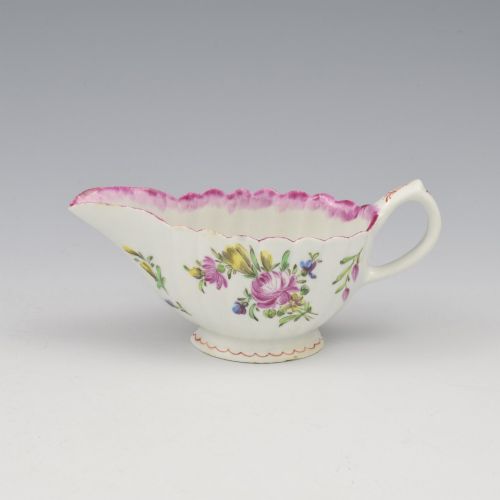
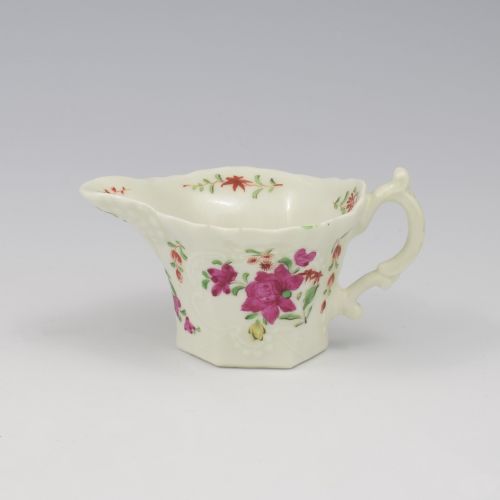
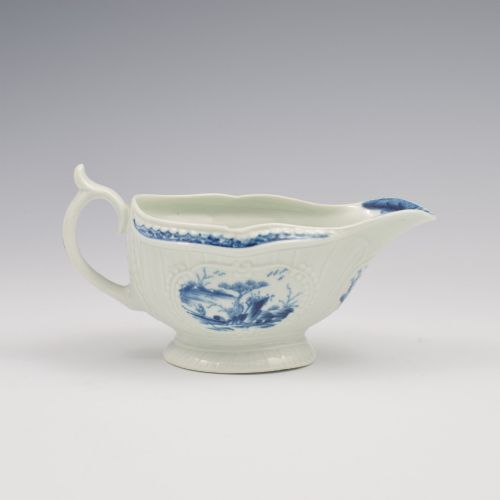
The specimens met on this page range from delicate soft-paste porcelain bodies adorned with cobalt glaze to robust sterling silver pedestal vessels made by notable silversmiths. Collectors encounter varied decorative motifs, including chinoiserie figures, botanical studies, and armorial bearings, reflecting the rich material culture of the eighteenth century.
How they were made
Makers fashioned these vessels using soft-paste porcelain or hammered sterling silver, shaping them into fluted, hexagonal, or naturalistic forms such as lettuce leaves and dolphin ewers. Artisans applied cobalt blue glaze, enamel colours, and sometimes gold leaf by hand to porcelain bodies before high-temperature firing.
Silversmiths constructed sterling silver sauceboats through careful raising and casting techniques, incorporating sturdy handles and shaped rims. Chinese export pieces utilised specific porcelain-making traditions of the Qianlong and Qing dynasty periods to create durable, highly decorated serveware.
What varies in quality
The artistic merit of the hand-painted decoration separates standard domestic vessels from exceptional exhibition pieces, particularly in porcelain wares featuring complex cobalt blue scenes or mandarin figures. Crisp moulding in forms like the lettuce leaf or dolphin ewer demonstrates superior craftsmanship by the potter.
In silver examples, the weight of the metal, the elegance of the pedestal base, and the crispness of the maker's mark determine the distinction of the piece. The finesse of the handle attachment and the balance of the spout reveal the maker's skill and the overall tier of the object.
James Welch·Ambrose Boxwell
The 18th Century Sauceboat Glossary
- Soft-paste porcelain
- A type of ceramic body composed of clay and glass frit, fired at lower temperatures than hard-paste porcelain. This material creates a warm, creamy texture typical of early English factories.
- Cobalt glaze
- A deep blue mineral pigment applied under the glaze to ceramic wares before firing. It produces vibrant blue and white patterns that remain durable over centuries.
- Chinese Export
- Porcelain manufactured in China specifically for the European market during the Qing dynasty. These items often feature armorial bearings or adapted western shapes.
- Sterling silver
- An alloy consisting of silver and other metals, usually copper, standardised for durability and lustre. Georgian smiths utilised this material for high-status dining silver.
- Pedestal base
- A raised foot supporting the main body of a vessel. This architectural feature elevates the sauceboat above the table surface.
18th Century Sauceboat: Frequently Asked Questions
How were sauceboats used at the table?
These vessels served gravies, melted butter, and thin sauces during formal Georgian meals, often accompanied by a matching undertision or plate.
Their spouts and comfortable handles allowed diners or servants to pour liquids cleanly onto food without spilling.
What is the difference between porcelain and silver sauceboats?
Porcelain versions showcase hand-painted cobalt blue designs, enamel work, and moulded shapes like flowers or animals from English and continental factories.
Silver examples rely on metalwork craftsmanship, crisp hallmarking, and elegant pedestal forms shaped by skilled silversmiths.
How do I care for an 18th century sauceboat?
Wash porcelain and silver pieces gently by hand using mild soap and warm water, avoiding abrasive sponges that scratch fragile glazes or soft metal.
Store them securely away from direct sunlight and extreme temperature shifts to protect the historical surface.
How can I tell early Worcester from Bow porcelain?
Worcester pieces often display distinctive cobalt blue underglaze patterns like the fisherman or floral sprays on fine porcelain bodies.
Bow porcelain frequently exhibits slightly thicker potting and distinct chinoiserie figure painting characteristic of its mid-century output.