


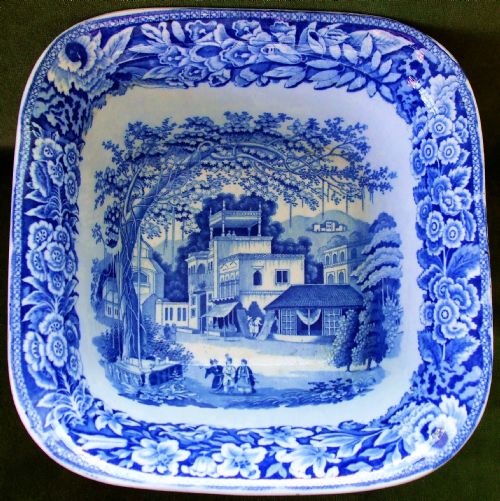
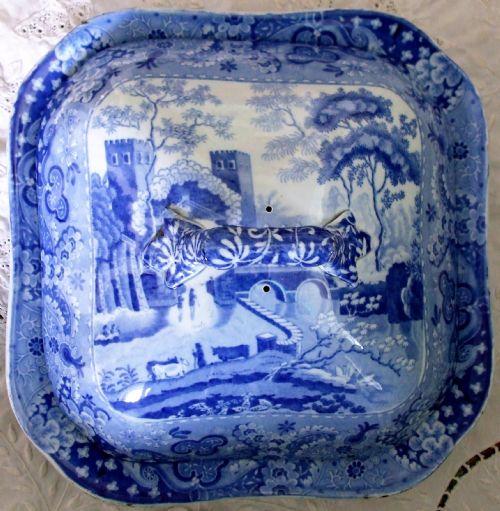
Georgian Pottery Dish
These georgian pottery dish selections encompass earthenware plates, platters and chargers shaped by eighteenth and nineteenth century kilns for functional and decorative service.
Georgian Pottery Dish
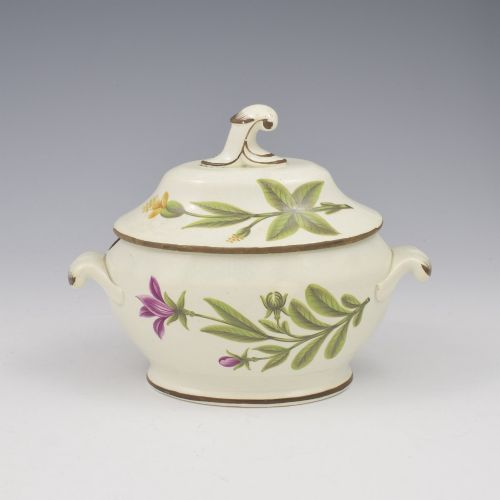
A georgian pottery dish brings household utility and table display together through diverse forms spanning plates, serving platters, tureens and chargers. Buyers encounter numerous earthenware examples shaped during the eighteenth and nineteenth centuries, often carrying transfer-printed scenes or hand-painted motifs.
The commonest specimens on this page include blue and white transfer-printed earthenware and tin-glazed delftware vessels. Makers produced these pieces for dining rooms, dessert services and display cabinets, applying styles that ranged from traditional English scenes to Chinoiserie and Neoclassical patterns.
How They Were Made
Potters shaped these pieces using earthenware, creamware, pearlware and tin glaze applied to ceramic bodies. Artisans utilised cobalt pigment and enamel colours to decorate surfaces before firing them in kilns.
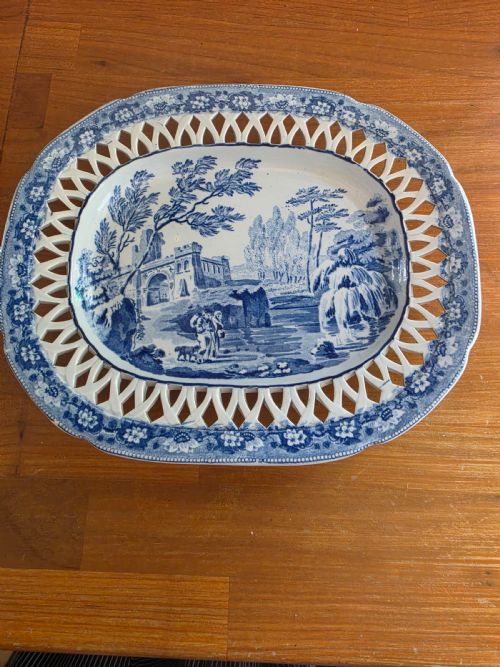
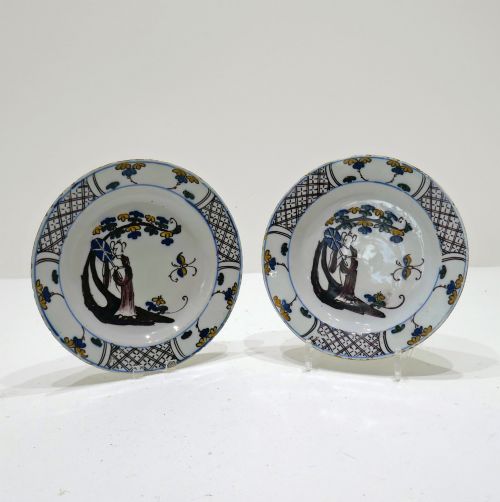
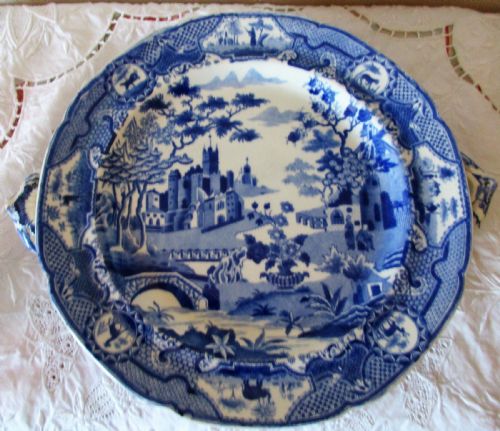
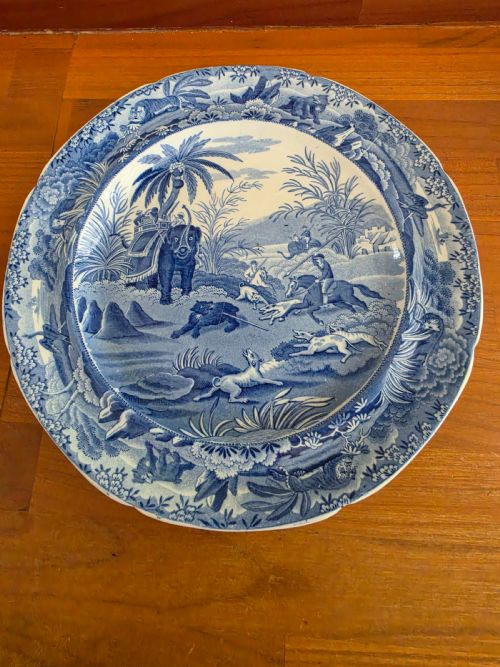
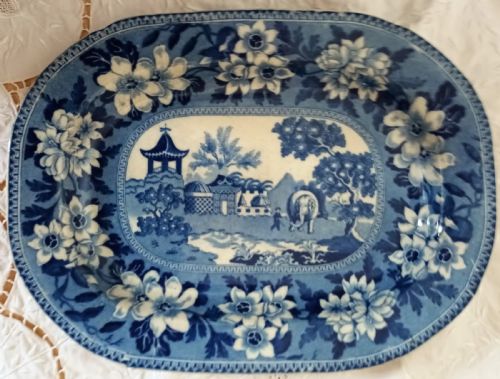
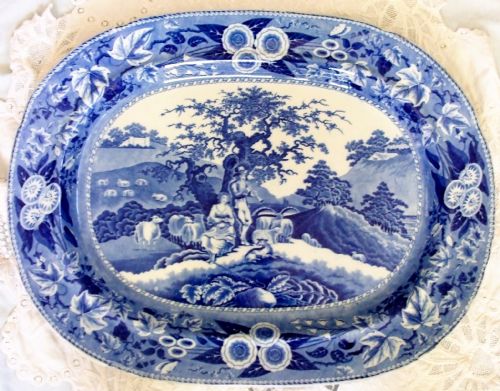
Transfer printing allowed workshops to apply intricate patterns such as gothic castles, elephants and river landscapes onto plates and platters. Hand-painted brushwork remained common on delftware chargers and early polychrome plates produced in centres like Bristol and Lambeth.
Decoration spans blue and white transfer print, enamel, and cobalt pigment.
What Varies In Quality
The clarity and precision of the transfer print or hand-painted brushwork dictate much of the visual success on a ceramic surface. Smudged cobalt pigment or uneven glaze application distinguishes standard utility wares from finer examples.
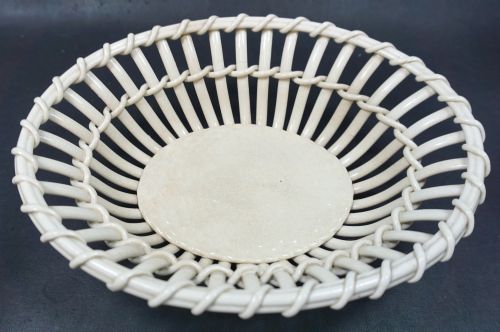
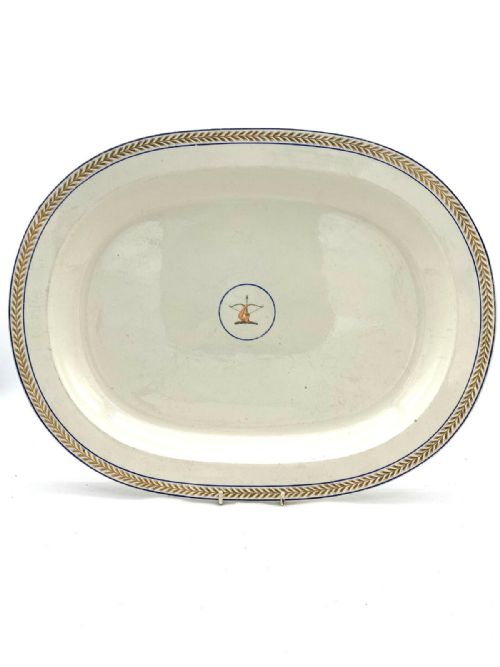
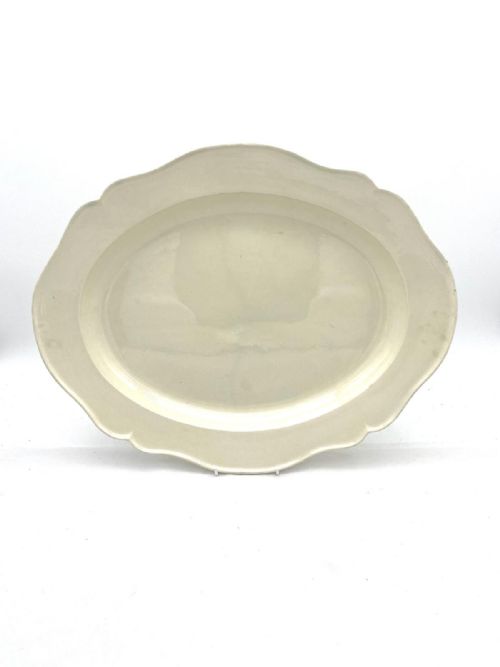
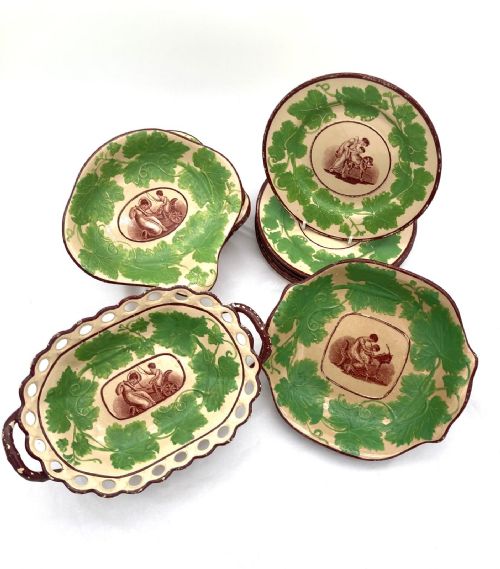
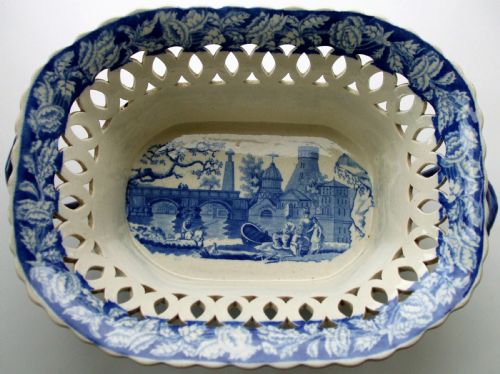
The complexity of the moulded form, such as pierced fretwork on platters or shaped silver edges on creamware chargers, reflects the ambition of the original pottery. Early tin-glazed pieces show variation in the purity of the white ground and the control of the polychrome pigments.
Davenport·Wedgwood·Spode·John Rogers And Son·J And R Clews
The Georgian Pottery Dish Glossary
- Pearlware
- A refined earthenware featuring a bluish glaze that pooled in recesses, developed by Josiah Wedgwood to rival porcelain.
- Delftware
- Tin-glazed earthenware produced in England and the Netherlands, known for an opaque white surface and hand-painted blue or polychrome decoration.
- Creamware
- A light-coloured refined earthenware developed in Yorkshire and Staffordshire, covered in a transparent lead glaze.
- Transfer printing
- A decoration technique where a design was printed on paper from an engraved copper plate and then transferred onto the ceramic body.
- Charger
- A large ornamental or serving plate intended for display on sideboards or use at formal dining tables.
Georgian Pottery Dish: Frequently Asked Questions
How do I identify a transfer printed piece?
Transfer printed pieces display repeating engraved patterns applied via paper onto the ceramic surface before glazing.
These designs often feature detailed historical or topographical scenes rendered in uniform blue, green or brown tones.
What is the difference between delftware and creamware?
Delftware relies on an opaque tin glaze over an earthenware body to create a white background for hand-painted motifs.
Creamware uses a translucent yellowish glaze over a refined pale earthenware body, prioritising smooth curves and moulded edges.
Were these dishes meant for daily dining?
Many larger platters, tureens and serving dishes saw active service during grand household meals and formal dining courses.
Smaller decorated plates and chargers often functioned primarily as display pieces in dining parlours and drawing rooms.
How do I distinguish eighteenth century from nineteenth century pieces?
Eighteenth century examples frequently showcase hand-painted polychrome or blue delft designs and early creamware bodies without transfer printing.
Nineteenth century pieces tend to display complex blue and white transfer printed topographical scenes and pearlware bodies.