

Blue Ceramic Serving Bowl
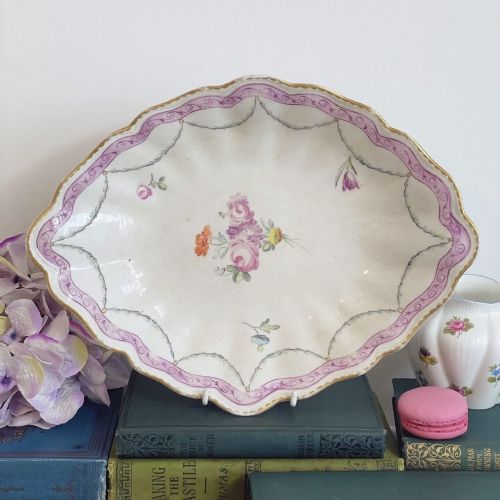
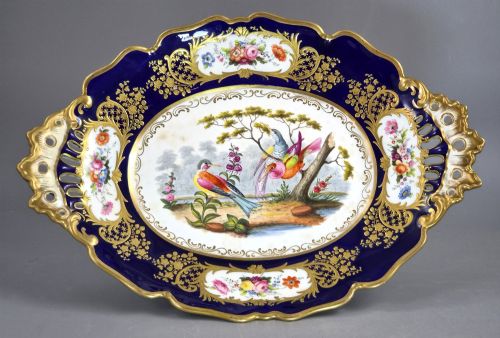
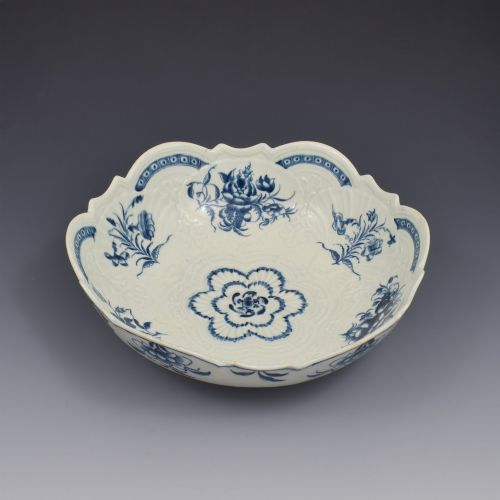
A blue ceramic serving bowl brings depth of colour and historical pattern to the table, spanning English earthenware and export porcelain.
Blue Ceramic Serving Bowl
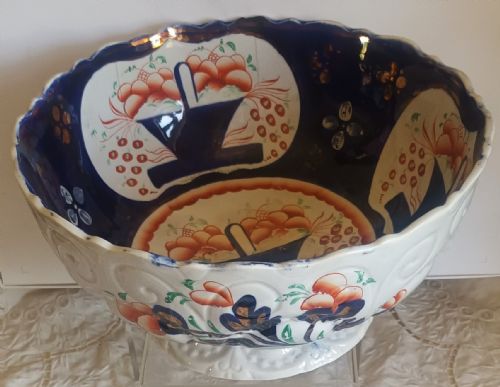
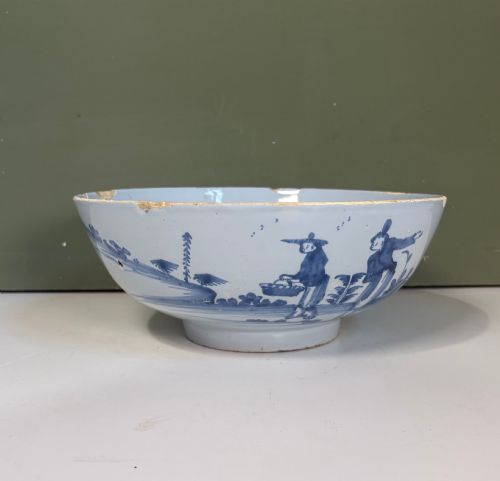
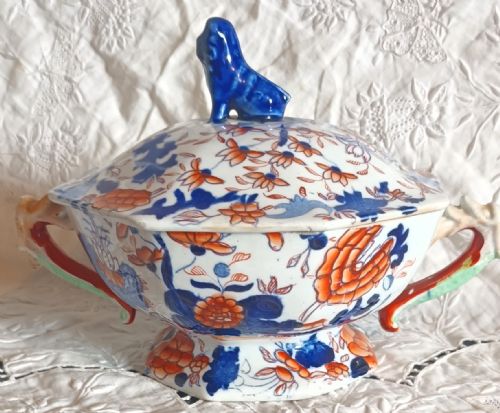
When searching for a blue ceramic serving bowl, collectors encounter a diverse selection ranging from eighteenth-century English porcelain punch bowls to nineteenth-century earthenware tureens. These pieces served practical dining functions, holding vegetables, punch, or sauces, while displaying decorative motifs that reflect their period of origin.
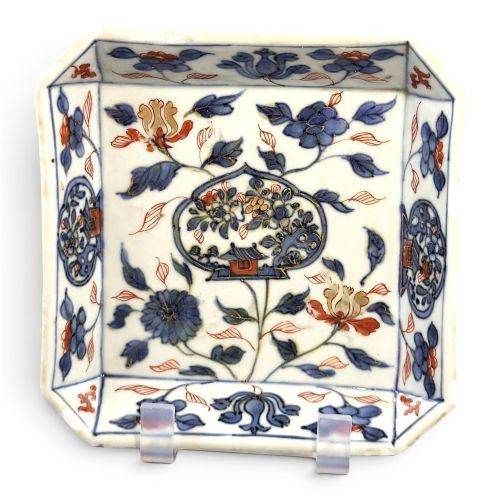
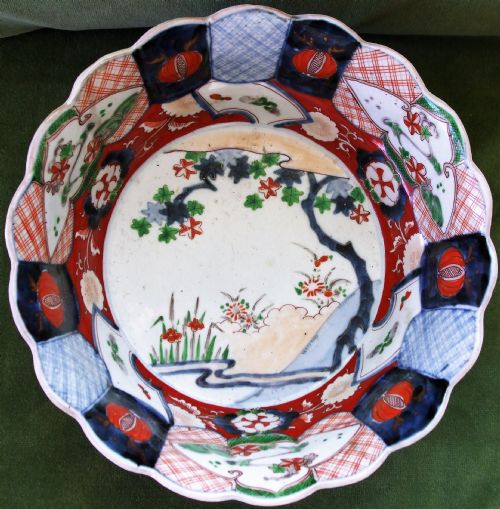
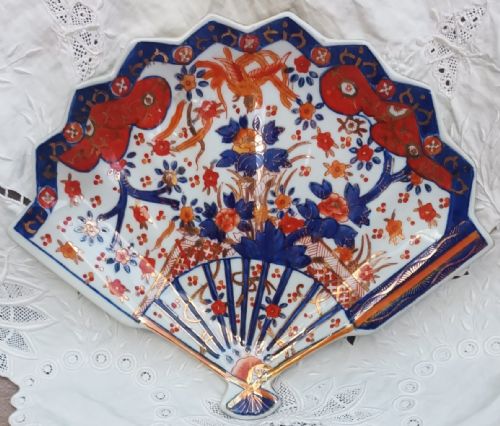
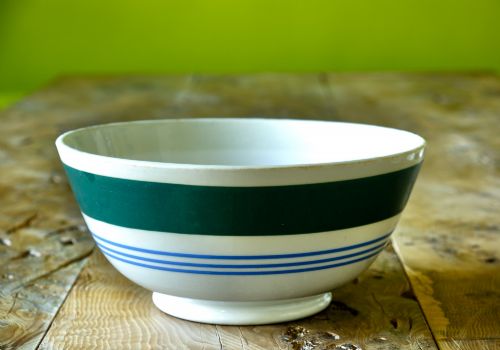
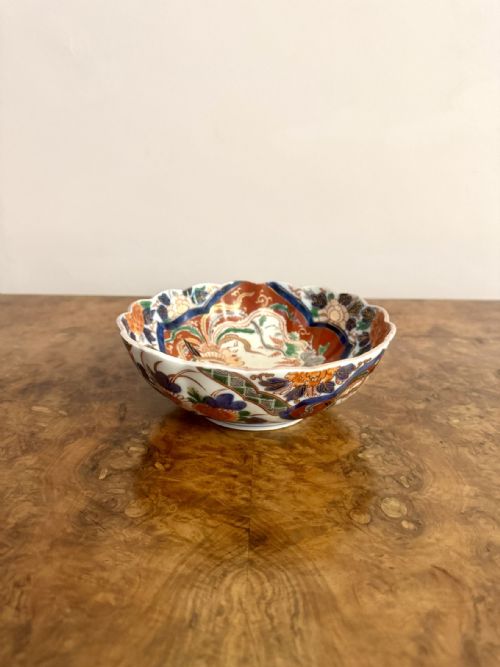
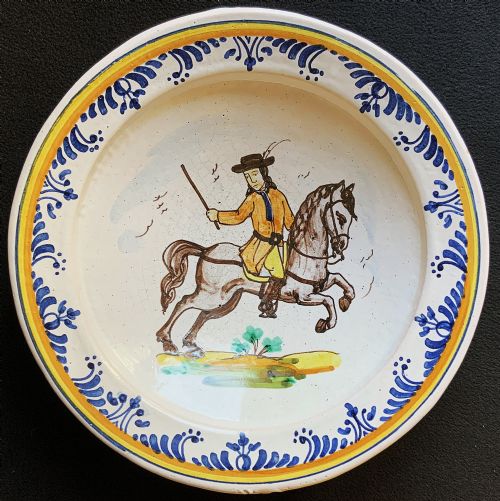
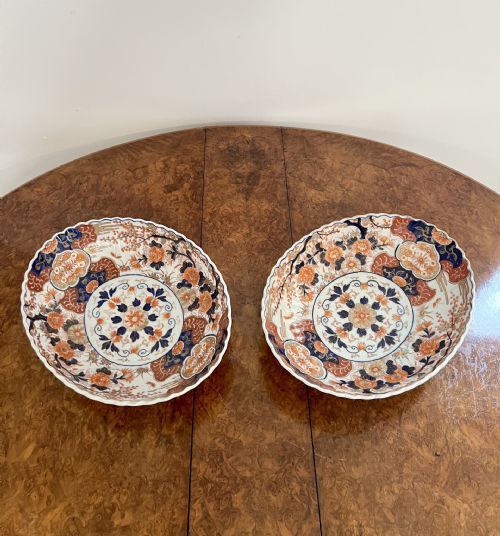
The inventory on this page draws heavily from eighteenth and nineteenth-century traditions, including transfer-printed English pottery, Japanese Imari porcelain, and Dutch or Spanish delft. Forms vary from deep footed bowls and scalloped dishes to lidded tureens with matching ladles.
Origin points span domestic English factories like Worcester, Coalport, and Mason's alongside European faience potteries and Asian export kilns. Buyers find both simple domestic earthenware and elaborate porcelain vessels intended for display as much as service.
How they were made
Makers utilised earthenware, stoneware, and porcelain bodies, shaping them on wheels or pressing them into moulds to create deep bowls, chamfered squares, and lidded tureens. Glazes applied to these surfaces often incorporated cobalt blue, which withstood high firing temperatures and produced the rich cobalt glaze seen across many examples.
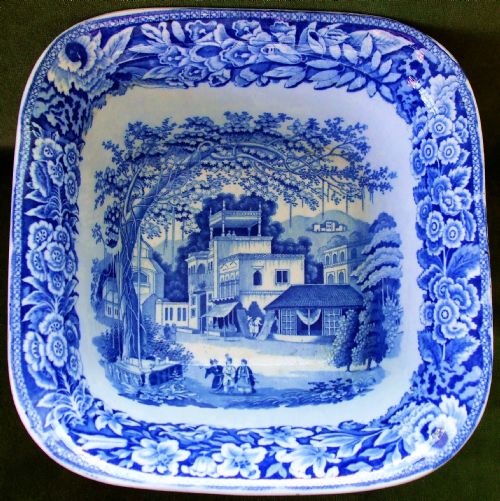
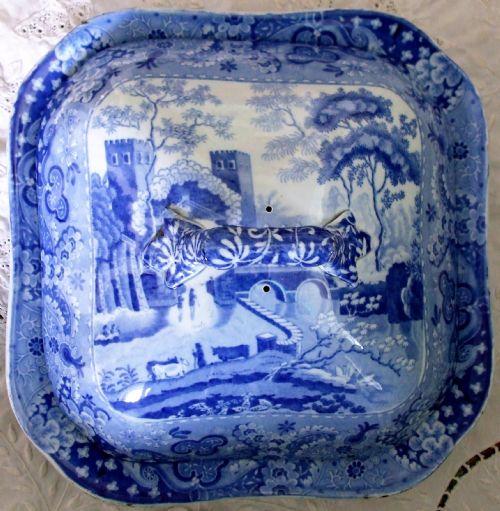
Decoration relied on handpainting with cobalt or polychrome pigments, or transfer printing using engraved copper plates to transfer complex patterns like Eastern street scenes onto pottery. Additional embellishments such as gold leaf and gilding were sometimes applied over the glaze and fired again for refined presentation.
Listings feature periods spanning from the 18th century through the 1940s, utilising materials such as porcelain, earthenware, stoneware, and cobalt glaze.
What varies in quality
Quality rests in the crispness of the transfer print or the brushwork control on handpainted items, where precise cobalt application separates master output from standard domestic ware. The refinement of the ceramic body, whether light translucent porcelain or heavier ironstone, dictates the delicacy of the finished vessel.
The preservation of original surface details, from delicate enamel colours to intact gilding and clear cobalt glaze without excessive firing blemishes, defines the upper tier of surviving examples.
Derby·Coalport·Worcester·J. & R. Riley·Mason's·J. & R. Clews·T G Green·Doulton Burslem·Doulton Lambeth·Frank Butler·Samson·Gien
The Blue Ceramic Serving Bowl Glossary
- Cobalt glaze
- A blue ceramic colourant applied under or over the glaze that remains stable at high kiln temperatures. It produces the deep rich blue characteristic of many historical porcelain and pottery pieces.
- Transfer printing
- A decoration technique where an engraved copper plate transfers a design onto paper, which is then pressed onto the ceramic body. This method allowed intricate patterns like landscapes to be reproduced consistently.
- Ironstone
- A patented heavy earthenware developed in the nineteenth century that mimics porcelain in durability. It provides a sturdy body for utility tureens and serving dishes.
- Tureen
- A deep covered serving vessel used for soups, sauces, or vegetables at the dining table. Many period examples include matching stands or ladles.
- Imari
- A style of Japanese porcelain featuring underglaze blue and contrasting iron-red and gold overglaze decoration. Exported widely to Europe, it heavily influenced Western ceramic design.
Blue Ceramic Serving Bowl: Frequently Asked Questions
How do I use an antique tureen today?
These lidded vessels work well for serving hot vegetables, stews, or side dishes during formal meals, functioning just as they did centuries ago.
When not in active service, they sit on sideboards or open shelving as decorative display pieces that anchor a room's colour scheme.
Can I put these bowls in the dishwasher?
Historic ceramics require hand washing in lukewarm water with mild soap to protect fragile glazes, handpainted details, and delicate ironstone bodies.
Harsh detergents and high dishwasher temperatures can strip away nineteenth-century transfer prints and wear down subtle gilding over time.
What is the difference between porcelain and earthenware?
Porcelain is fired at much higher temperatures, resulting in a dense, white, and sometimes translucent material that resists staining and scratching.
Earthenware is more porous and opaque, often finished with a tin or lead glaze to seal the body, as seen in traditional delft and faience pieces.
How do I date a blue and white transfer bowl?
Makers often stamped potter's marks, pattern names, or registration diamonds into the base of nineteenth-century pottery to record the exact production year.
Style cues, such as floral borders, scenic views like eastern street scenes, and the weight of the ceramic body, also help narrow down the manufacturing decade.