
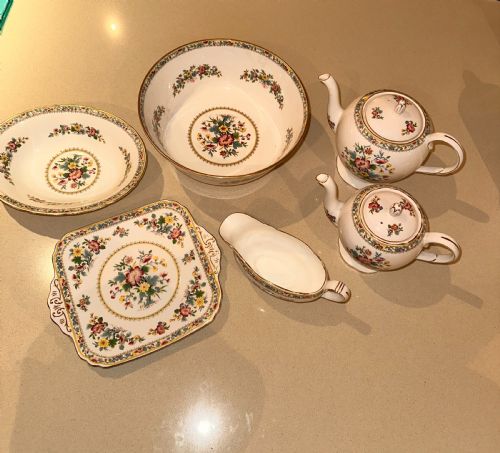


Square Ceramic Serving Dish
These square ceramic serving dishes combine practical table service with centuries of varied decorative styles, offering the collector both utility and historic artistry.
Square Ceramic Serving Dish
A square ceramic serving dish brings both utility and distinct historic character to the table, spanning multiple centuries of craftsmanship. When searching for a square ceramic serving dish, buyers encounter various forms including dessert dishes, lobed bowls, and large decorative plates from British, European, and Asian origins.
The selections on this page range across periods such as the eighteenth and nineteenth centuries, featuring traditional English earthenware alongside imported hard-paste porcelain and Japanese Imari wares. Each piece reflects the dining customs and aesthetic preferences of its era, from Georgian refinement to Victorian ornamentation.
How they were made
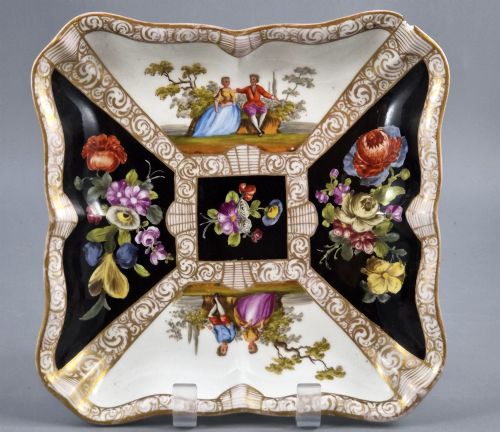
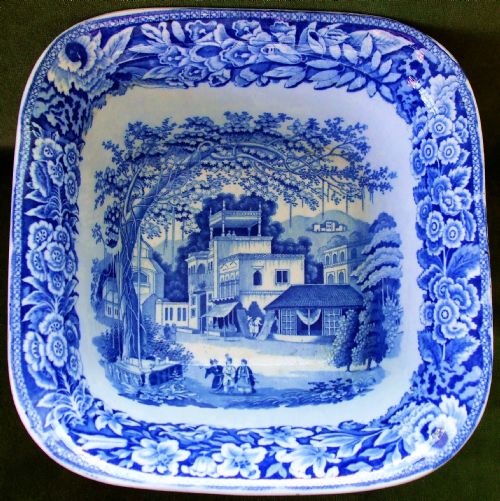
Potters shaped these items from earthenware and hard-paste porcelain, applying cobalt glazes, enamel colours, and delicate gold leaf or gilt highlights. Techniques involved careful hand-painting and transfer printing to achieve detailed scenes like Eastern streetscapes and Watteau compositions.
Firing methods across eighteenth and nineteenth-century kilns produced durable ceramic bodies capable of holding food while displaying intricate floral, bird, and figural motifs.
Listings feature hard-paste porcelain, earthenware, and cobalt glaze across Georgian, Regency, and Victorian periods.
What varies in quality
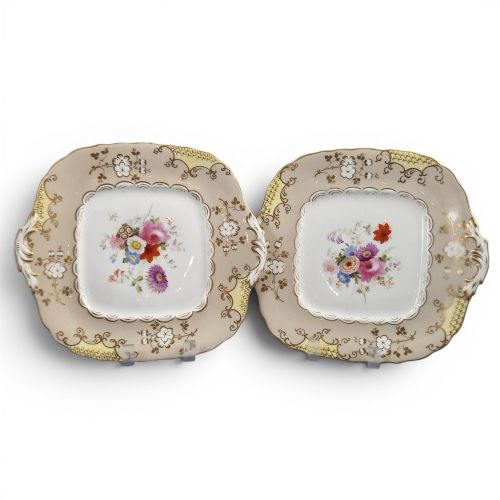
Quality separates standard production wares from exceptional pieces through the precision of the hand-painted brushwork and the clarity of the glaze. Superior examples exhibit vibrant enamel pigments, finely rendered motifs such as floral sprays or figural scenes, and well-preserved gilt accents.
The refinement of the ceramic body itself, whether porcelain or earthenware, alongside the crispness of moulded edges like chamfered corners or lobed rims, determines the overall standard of the object.
J. & R. Riley·Wedgewood·Coalport
The Square Ceramic Serving Dish Glossary
- Hard-paste porcelain
- A dense, vitrified ceramic made from kaolin and petuntse, fired at high temperatures to produce a durable and slightly translucent body. This material resists scratching and allows for fine painted details.
- Cobalt glaze
- A rich blue metallic oxide applied under or over the glaze before firing, prized for its deep tone and stability at high kiln temperatures. It creates the characteristic blue and white patterns seen on many historic vessels.
- Transfer printing
- A mechanical technique developed in the eighteenth century to apply complex designs to pottery using engraved copper plates and tissue paper. This method enabled consistent production of detailed pictorial scenes.
- Imari
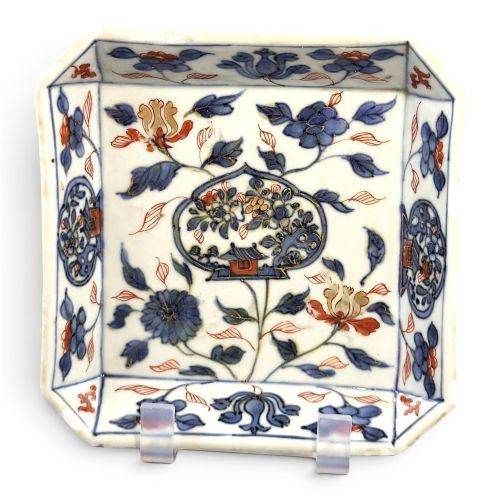
- A style of Japanese export porcelain featuring a distinctive palette of underglaze blue, iron red, and gilt highlights. Traditional designs often incorporate floral and bird motifs.
- Gilt
- A thin layer of gold applied to the surface of ceramics to accentuate rims, handles, or decorative borders. It adds a reflective quality that catches candlelight and daylight alike.
Square Ceramic Serving Dish: Frequently Asked Questions
Were these dishes used for everyday dining?
Many of these pieces served practical roles during formal nineteenth-century dessert courses and family dinners. Wealthy households utilised specialised ceramic services for presenting fruits, sweets, and savoury dishes.
Over time, surviving items transitioned from active dining rooms into collector cabinets and display spaces. Their robust porcelain and earthenware construction allowed them to endure generations of domestic use.
How do I distinguish eighteenth-century porcelain?
Examine the unglazed foot rim of the ceramic object for signs of wear and the specific texture of the paste. Eighteenth-century pieces often display subtle potting irregularities and hand-mixed glaze variations absent in later mass-produced items.
Consulting period-specific decorative styles, such as Kangxi or First Period Worcester characteristics, helps confirm the likely decade of manufacture. Comparing weight and translucency further clarifies the period.
What defines Japanese Imari style?
Japanese Imari ceramics are recognised by their dense colour palette combining cobalt blue, iron red, and abundant gold leaf. The designs frequently feature segmented panels filled with flowers, foliage, and birds.
Exported extensively to Europe during the eighteenth and nineteenth centuries, these pieces heavily influenced Western pottery design. Their bold visual contrast makes them instantly recognizable among mixed ceramic collections.