


Cobalt White Pottery Bowl
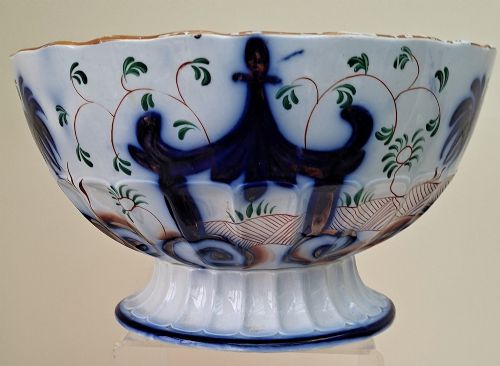
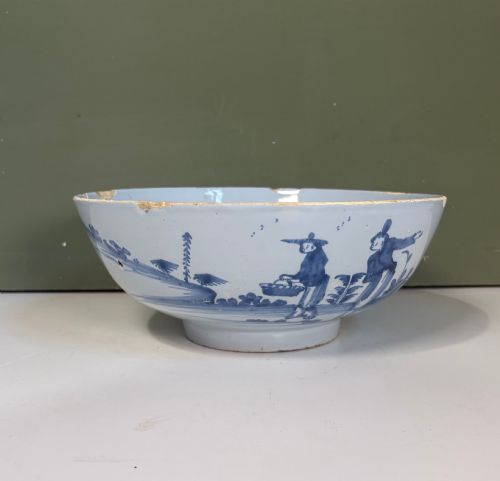
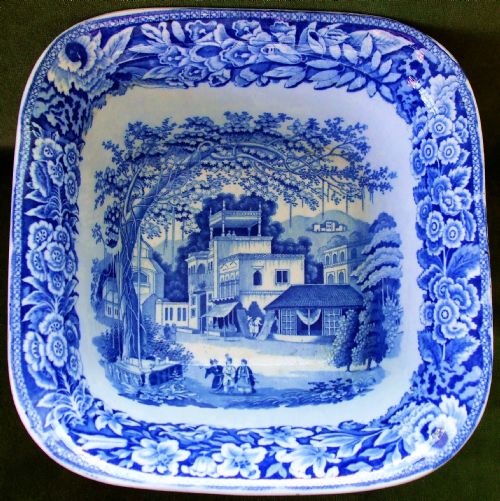
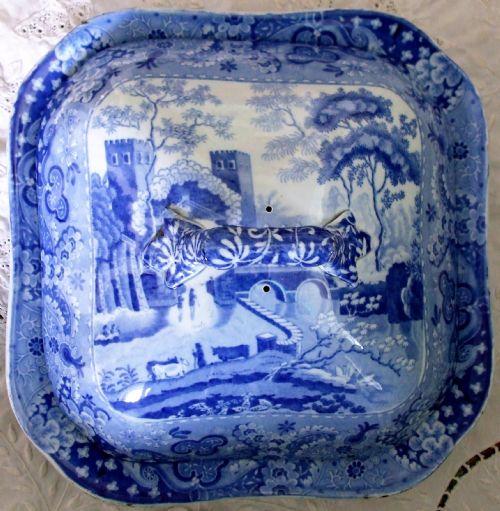
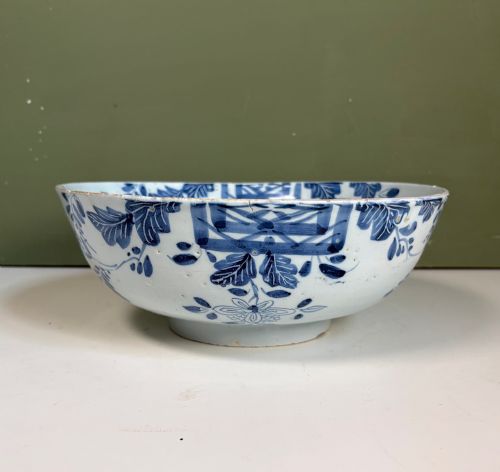
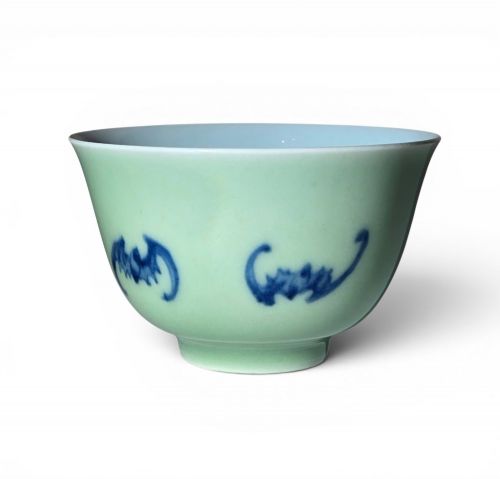
A cobalt white pottery bowl offers striking blue pigment against a pale ground, bringing historical depth and traditional craft to a room.
Cobalt White Pottery Bowl
A cobalt white pottery bowl spans centuries of production, appearing in domestic kitchens and formal display spaces alike. The pieces meeting this search phrase cover forms such as footed bowls, shallow vessels, and larger centrepiece bowls.
Most examples found on this page draw from the eighteenth and nineteenth centuries, alongside earlier sixteenth-century specimens and later nineteenth-century pieces. European delftware, English earthenware, and Chinese porcelain represent the primary regional origins in the current selection.
Makers and potteries from England, China, and France shape the variety available to collectors. Buyers encounter everything from simple earthenware bowls to intricate porcelain vessels bearing traditional motifs.
Materials and construction methods
Potters constructed these vessels using clay bodies ranging from basic earthenware to fine porcelain. Tin glaze and cobalt glaze provided the smooth white and blue surfaces essential to the aesthetic of each piece.
Decoration relied on cobalt oxide applied by hand or transferred onto the pottery before firing. Firing techniques fixed the blue pigment firmly beneath or within the glaze, creating the durable finishes seen on eighteenth and nineteenth-century examples.
Listings here feature pieces spanning from the sixteenth century to the year nineteen hundred, incorporating earthenware, porcelain, and tin glaze.
Distinguishing quality in production
Quality reveals itself in the precision of the cobalt decoration and the uniformity of the glaze. Finer vessels display crisp brushwork or sharp transfer printing without blurring or running along the edges of the pattern.
The refinement of the underlying clay body and the stability of the fired form separate standard domestic wares from exceptional display pieces. Early delftware and fine porcelain show greater attention to throwing and finishing at the wheel.
J. & R. Riley·J. & R. Clews·Doulton Burslem
The Cobalt White Pottery Bowl Glossary
- Tin-Glaze Earthenware
- Earthenware coated with a glaze containing tin oxide to produce an opaque white surface. This technique formed the basis for traditional European delftware and faience.
- Cobalt Oxide
- A mineral compound used to produce deep blue colouration on ceramic bodies. Potters applied this oxide under the glaze before high-temperature firing.
- Transfer Printing
- A mechanical method of applying complex decorative patterns to pottery using engraved copper plates and tissue paper. This technique became widespread in English factories during the Georgian and Victorian periods.
- Kraak Porcelain
- Chinese export porcelain produced during the late Ming dynasty, characteristically painted in dark blue with panelled border designs. These bowls reached European markets in large quantities.
- Delftware
- Tin-glazed earthenware produced in the Netherlands and England, typically decorated with blue designs on a white background. Pieces often date from the eighteenth century.
Cobalt White Pottery Bowl: Frequently Asked Questions
How are these bowls dated?
Dating relies on stylistic evidence, material composition, and characteristic glaze types associated with specific manufacturing periods. Potters marks and regional decorating traditions further narrow down the decade of production.
Examination of the foot ring and underlying clay body provides additional context regarding the age of a piece. Earlier examples often show different throwing marks compared to later nineteenth-century wares.
Can I use these bowls daily?
Most antique bowls are suited for decorative display rather than heavy modern domestic use. Older ceramic bodies and historic glazes can be sensitive to thermal shock and abrasive cleaning methods.
Gentle hand washing in warm water helps preserve the surface finish of tin-glazed and earthenware pieces. Avoiding dishwashers ensures the longevity of the blue and white decoration.
What is the difference between delft and porcelain?
Delft consists of a porous earthenware body covered in an opaque tin glaze that creates a soft white background. Porcelain uses a refined white clay fired at higher temperatures until vitrified and translucent.
Porcelain vessels generally feel harder and denser than earthenware equivalents. Both materials support cobalt blue painting but result in distinctly different tactile qualities.
Why does the blue colour vary?
Variations in blue pigment stem from differences in the purity of the cobalt oxide and the chemistry of the glaze. Firing temperatures inside traditional kilns also influenced the final tone of the blue decoration.
Hand-painted pieces show natural variations in brush stroke intensity, while transfer-printed wares display more uniform pattern application. Each method produced a distinct visual depth.