

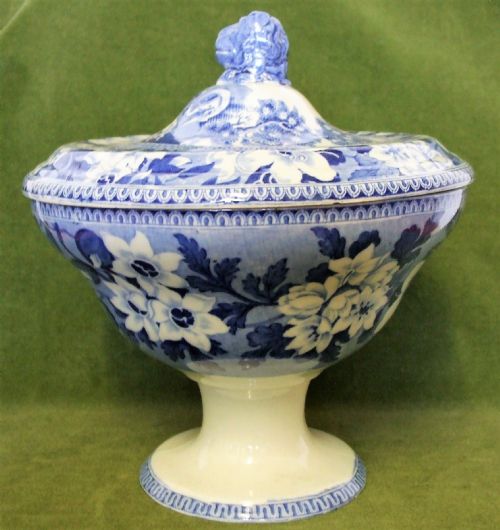


Georgian Pearlware Bowl
These georgian pearlware bowl examples bring the subtle blue tones and crisp transfer prints of the late eighteenth and early nineteenth centuries straight to your table.
Georgian Pearlware Bowl
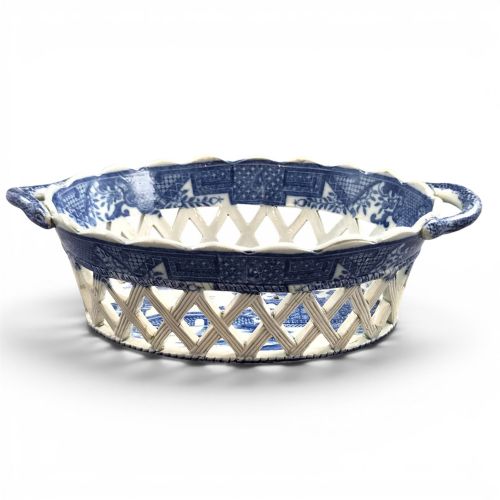
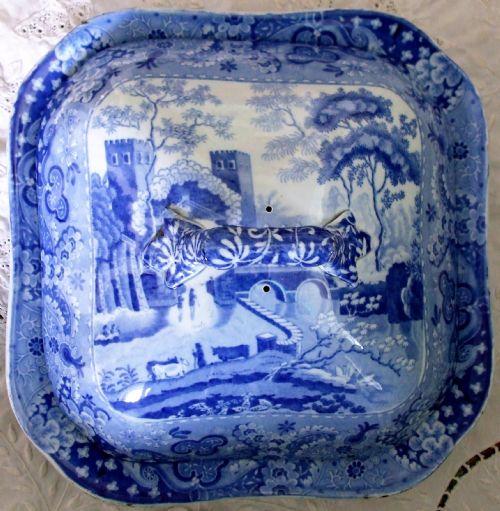
A georgian pearlware bowl sits within a tradition of refined earthenware production spanning the late eighteenth and early nineteenth centuries. The evidence shows these items appearing alongside related forms such as chestnut baskets, tureens, and comports from the Georgian and Regency periods.
While the archive holds tea bowl examples from around seventeen-ninety to eighteen-hundred, current listings expand the category into broader decorative pottery. Buyers encounter works shaped by Staffordshire potteries and associated makers featuring transfer-printed scenes under a characteristic glaze.
The objects reflect domestic dining habits of the period, ranging from simple tea wares to large serving vessels. Each piece demonstrates the transition from earlier creamware bodies to the whiter, bluish-tinted ceramic that defined the era.
Materials and construction
Maker operations utilised earthenware and ceramic bodies coated in a pearlware glaze, which contained a small amount of cobalt to counteract the natural cream colour of the fired clay. This produced the pale, bluish tint that pools distinctively in crevices and around foot rims.
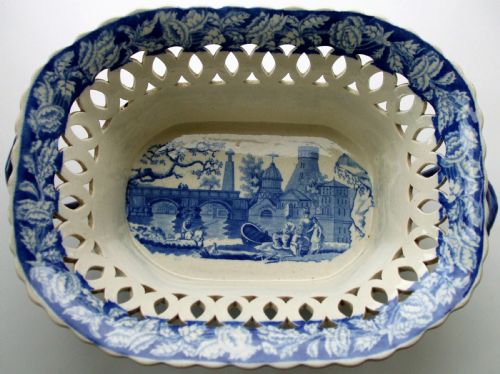
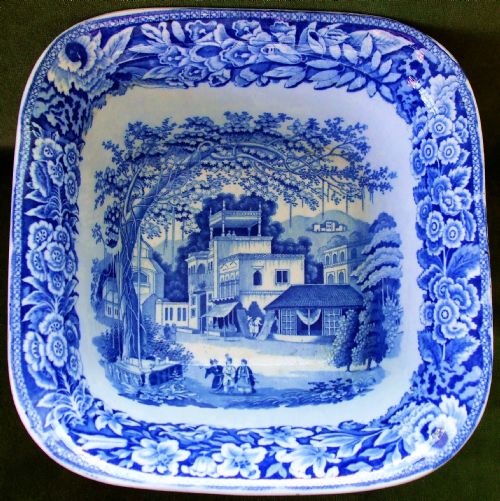
Decoration relied heavily on cobalt glaze applied through transfer printing, transferring intricate landscape and architectural scenes onto the curved surfaces. Enamel highlights occasionally augmented the blue and white designs before a final kiln firing.
The documented materials span earthenware, cobalt glaze, and pearlware across the nineteenth century and Georgian periods.
Assessing quality and execution
Quality reveals itself in the clarity of the transfer print and the smoothness of the pearlware glaze across the ceramic body. Finer examples maintain crisp lines in complex patterns like river scenes or botanical studies without blurring or pooling of the cobalt.
The crispness of moulded elements, such as reticulated sides on baskets or fluted walls on bowls, distinguishes superior production. Potters who managed kiln temperatures carefully avoided warping and surface blemishes, ensuring a stable form.
J. & R. Clews·J. & R. Riley·John Rogers & Son
The Georgian Pearlware Bowl Glossary
- Pearlware
- A refined earthenware developed to imitate Chinese porcelain, featuring a glaze with a faint bluish tint. This formulation bridged the gap between creamware and later white ironstone.
- Transfer printing
- A method of applying engraved designs to ceramics using tissue paper pulled from a copper plate. It allowed complex pictorial scenes to be replicated consistently across multiple vessels.
- Comport
- A raised serving dish or pedestal bowl used for fruit or sweetmeats during formal dining. These pieces often matched the decorative theme of surrounding tureens and plates.
- Reticulated
- Having an openwork or netted pattern formed by cutting through the clay before firing. This technique appeared frequently on decorative baskets and chestnut stands.
- Tureen
- A deep covered vessel designed for serving soups, vegetables, or sauces at the table. They frequently incorporated matching stands and intricate handles.
Georgian Pearlware Bowl: Frequently Asked Questions
How do I clean a georgian pearlware bowl?
Wash these items gently by hand in warm water using mild soap, avoiding abrasive sponges or modern dishwashers that can damage the historic glaze.
Dry them thoroughly with a soft cloth to protect the ceramic body and any delicate transfer-printed decoration from moisture retention over time.
Were these bowls used daily?
Households utilised these vessels for serving food and tea during formal and everyday meals, depending on the specific size and form.
Smaller tea bowls served beverages, while larger pieces handled side dishes or fruit as part of coordinated table services.
Can I display these bowls on open shelves?
Displaying them on sturdy shelves away from direct, harsh sunlight protects the delicate earthenware body and prevents accidental structural strain.
Ensure the placement supports the base evenly, especially for pieces featuring reticulated or openwork basket rims.