

Antique Pottery Bowl
When you handle an antique pottery bowl, you hold centuries of domestic utility transformed through glaze, slipware and blue-and-white transfer printing.
Antique Pottery Bowl
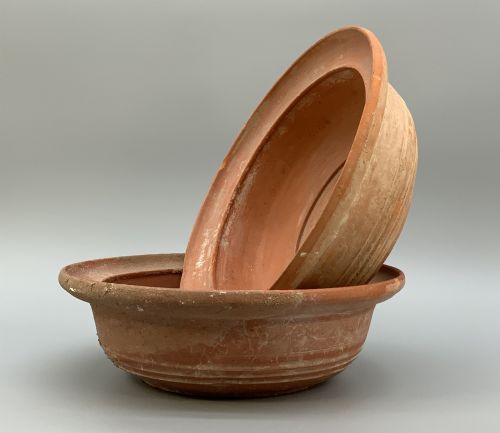
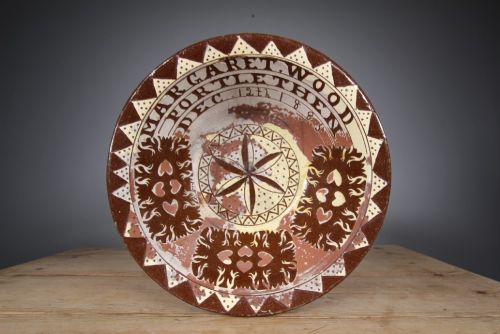
An antique pottery bowl encompasses domestic vessels intended for food, dairy, pantry storage, and table service alongside decorative centrepieces created across centuries of ceramic traditions. On this page, the selection ranges from utilitarian slipware dairies and heavy stoneware margarine crocks to refined pearlware, creamware, and hand-painted Delftware.
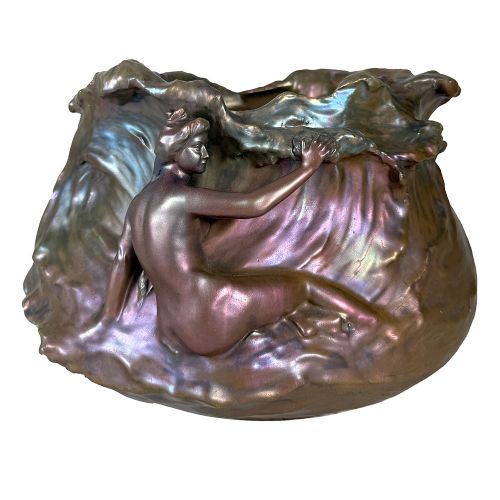
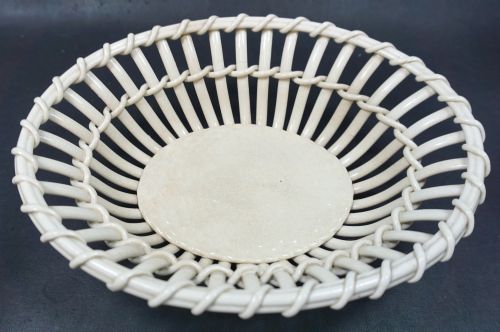
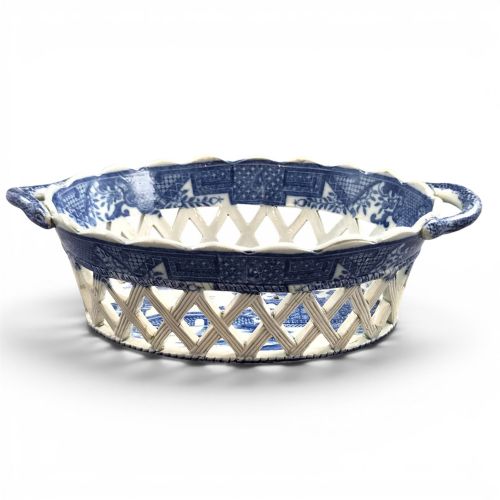
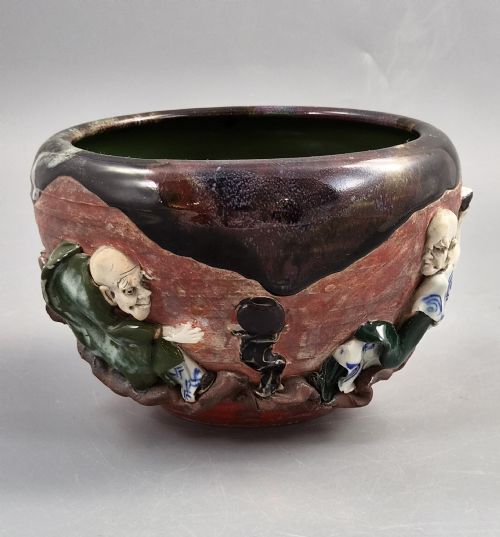
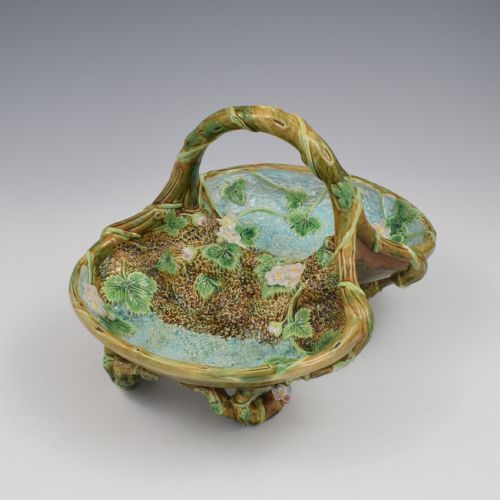
The material lineage extends from early earthenwares and tin-glazed vessels up to Victorian majolica, intricate Japanese Satsuma ware, and Edwardian lustre pottery. Forms stretch far beyond simple round basins to include chestnut baskets, footed bowls, botanical sauce tureens, and barber's bleeding dishes.
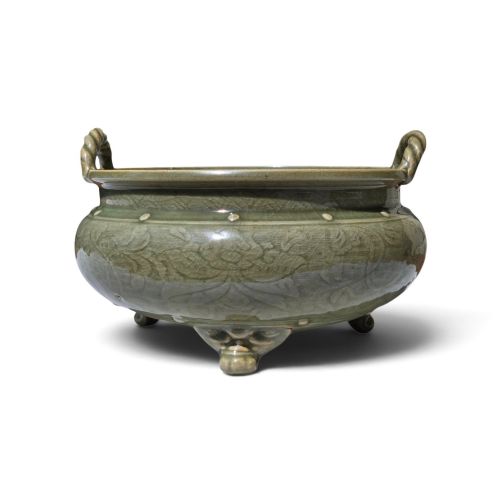
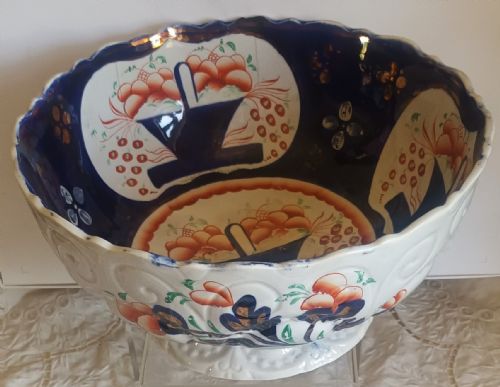
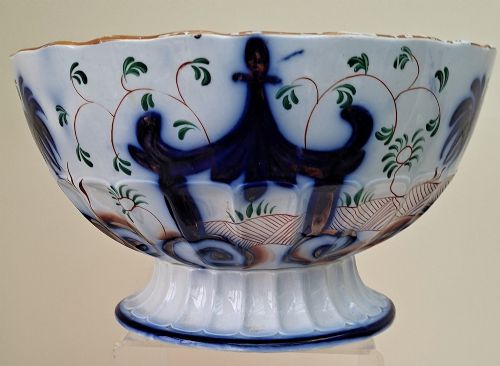
Makers from Staffordshire potteries, Scottish kilns, Dutch workshops, and East Asian dynasties appear alongside English earthenware manufacturers. Buyers find both robust utilitarian kitchen items and highly decorative display pieces originating from Georgian, Victorian, and Meiji periods.
How they were made
Potters shaped local clays, creamware, and heavier stoneware upon the wheel or pressed them into moulds before applying tin glazes, slip decorations, or polychrome enamels. Pigments such as cobalt oxide created deep blue transfer prints under the glaze, while others utilised gold leaf or rich iron rust glazes.
Firing took place inside traditional kilns where wood or coal heat reacted unpredictably with mineral components in the glazes. This process produced characteristic surface variations, pooling effects, and subtle crazing unique to historical ceramic production methods.
Listings span utilitarian stoneware dairies, delicate porcelain cups, and tin-glazed earthenware bowls across four centuries of ceramic history.
What varies in quality
Quality rests upon the crispness of the moulding, the dexterity of the hand-painted or transfer-printed decoration, and the stability of the glaze. Master potters achieved precise registration in multi-colour enamel work and smooth, even coverage across large stoneware or porcelain surfaces.
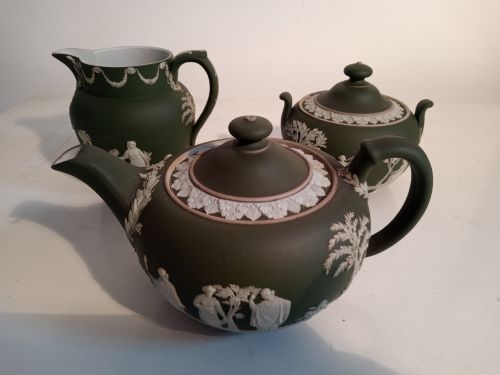
The artistic ambition of the piece dictates its standing, moving from simple utilitarian dairy vessels designed purely for agricultural labour up to artist-signed Japanese Satsuma bowls or intricately patterned Wedgwood fairyland lustre wares intended for wealthy drawing rooms.
Wedgwood·Spode·Minton·J. & R. Clews·Inoue Ryosai
The Antique Pottery Bowl Glossary
- Slipware
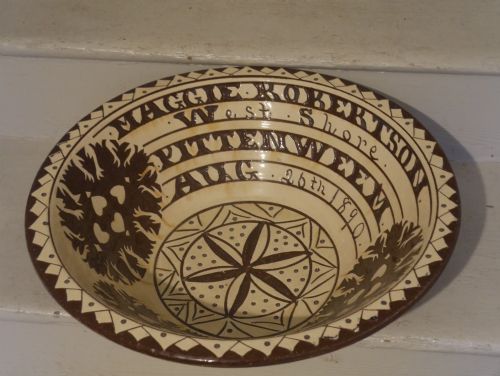
- Pottery decorated with liquid clay, known as slip, trailed or brushed over a contrasting body before glazing. This technique produced rustic patterns on utilitarian bowls and dairy vessels.
- Pearlware
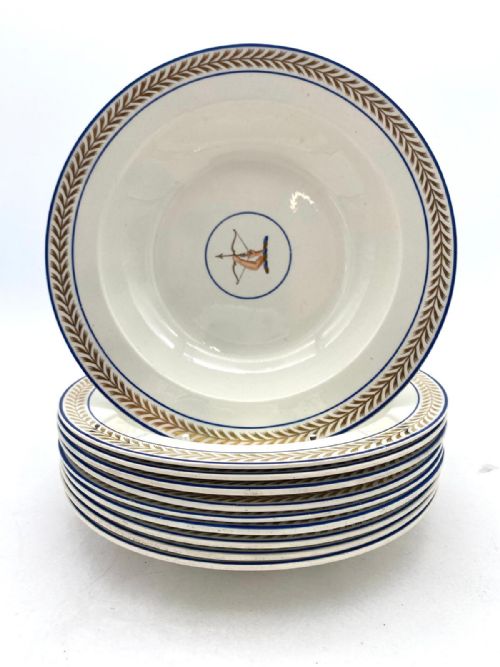
- A refined earthenware developed by Josiah Wedgwood featuring a bluish-white glaze that pooled in recesses to imitate Chinese porcelain. It dominated tablewares during the Georgian period.
- Tin glaze
- An opaque white glaze containing tin oxide, applied to earthenware to provide a smooth background for painted pigments. It defines European Delftware and Spanish faience.
- Majolica
- A colourful, lead-glazed earthenware popular during the Victorian era, known for naturalistic moulded motifs and vibrant botanical or figurative designs.
- Transfer printing
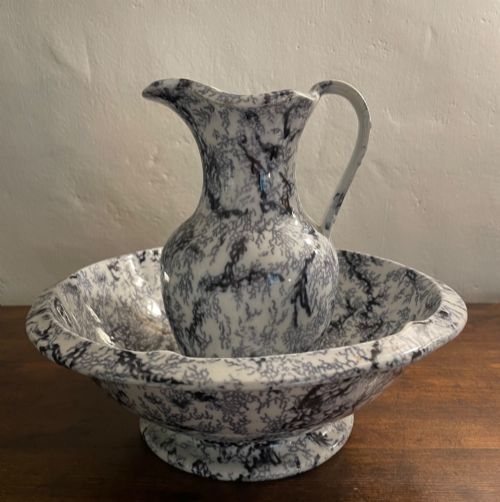
- A process where an engraved copper plate transferred a design onto tissue paper, which was then applied to the ceramic surface prior to firing. It allowed intricate blue-and-white scenes to be mass-produced on utilitarian and decorative bowls.
Antique Pottery Bowl: Frequently Asked Questions
How were antique pottery bowls used daily?
Utilitarian bowls served heavy domestic duties in dairies, kitchens, and pantries for mixing, storing foodstuffs, or setting milk to cream. Finer examples functioned as punch bowls, fruit baskets, or table service pieces during formal dining.
Over generations, many transitioned from working kitchen tools into decorative cabinet displays. Their robust composition allowed them to endure decades of active household service before entering collections.
How do I date an antique pottery bowl?
Dating relies on combining the ceramic body type, glaze chemistry, style of decoration, and any maker's marks or registration stamps present on the base. For instance, tin-glazed earthenware typically points towards the eighteenth century, whereas transfer-printed blue and white often indicates the Georgian or early Victorian era.
Examining the foot ring, wear patterns, and manufacturing technique provides further clues. Potters altered their paste compositions and kiln methods continuously, creating distinct chronological markers.
Can I use an antique bowl for food?
Most antique pottery bowls with early glazes are best reserved for display rather than modern culinary use. Historic glazes sometimes contained lead, and porous earthenware bodies absorb moisture and food acids over time.
Gentle hand washing preserves the remaining glaze integrity and prevents further crazing. Displaying them safely protects both the historical surface and your household.
What is the difference between earthenware and stoneware?
Earthenware is fired at lower temperatures, leaving the ceramic body porous and opaque unless sealed with an impermeable glaze like tin or lead. Stoneware utilises higher firing temperatures that vitrify the clay body, making it completely impermeable to liquids even without glaze.
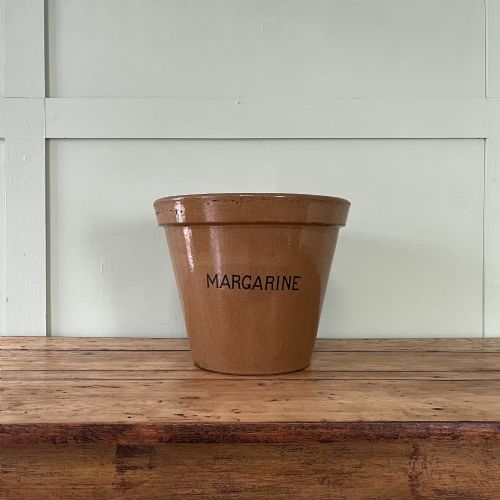
Stoneware vessels like margarine crocks and heavy storage bowls were built for robust, heavy-duty tasks. Earthenware typically allowed for finer decorative finishes, creamwares, and delicate painted patterns.