


Earthenware Fruit Bowl
An earthenware fruit bowl brings tactile warmth to a table, offering generous proportions and vibrant historic glazes.
Earthenware Fruit Bowl
When you search for an earthenware fruit bowl, you find vessels designed to hold seasonal harvest and display decorative forms across centuries of domestic life. The examples gathered here span periods from the eighteenth century through to the art deco era, encompassing diverse regional aesthetics and utilitarian shapes.
The assortment includes specialised forms such as comports, centrepieces, and patterned footed bowls that reflect the changing dining customs of Georgian and Victorian households. Each object balances utility with ornamental design, carrying the marks of its specific period and kiln origin.
Materials and Making
Potters shaped these vessels from earthenware clay bodies, which require lower firing temperatures than stoneware or porcelain and result in a porous, heavier structure. Artisans then applied opaque tin glazes, transparent lead glazes, or lustrous enamel finishes to seal the porous clay and provide a smooth surface for painting or transfer printing.
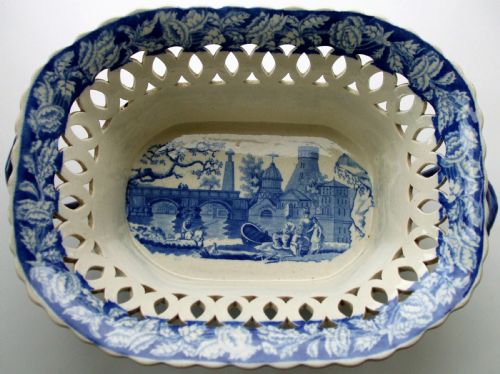
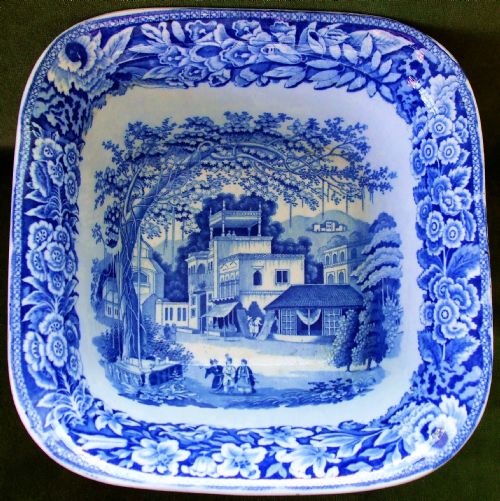
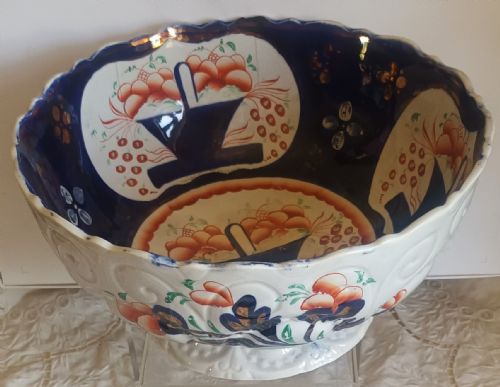
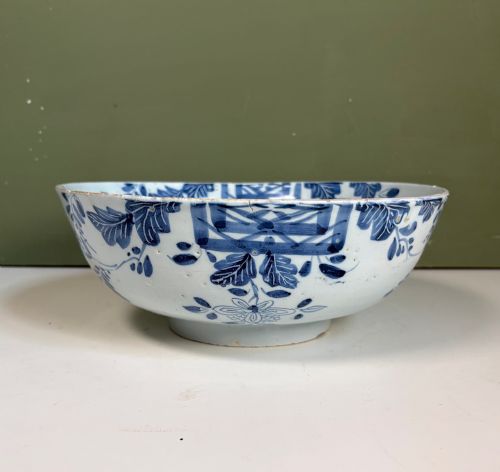
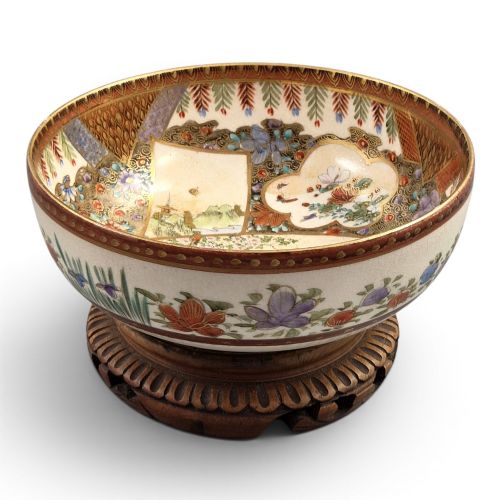
Decoration relied on hand-painted pigments, cobalt blue underglaze, and copper lustre applications, alongside moulded relief work seen in majolica and pearlware pieces. Botanical and architectural motifs were often transferred from engraved copper plates onto the biscuit ceramic before the final glaze firing.
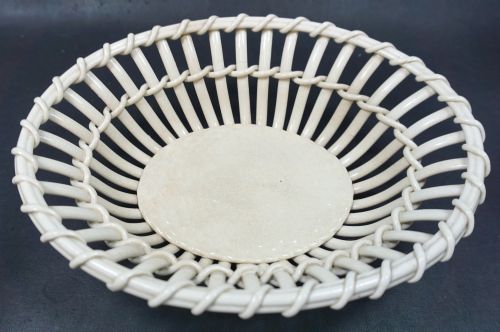
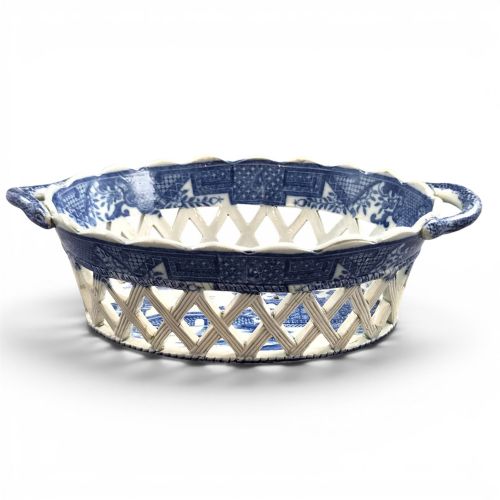
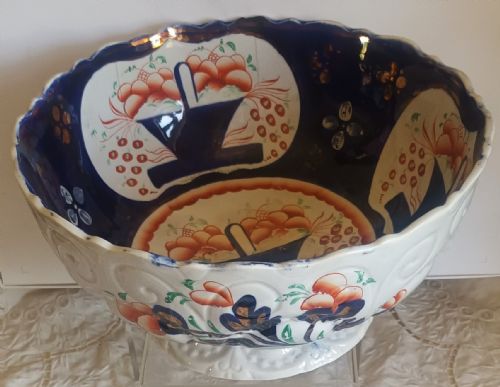
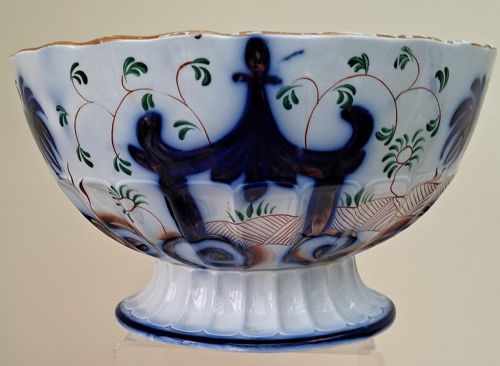
Listings feature earthenware vessels spanning the eighteenth, nineteenth, and twentieth centuries, including Georgian transferware, Victorian majolica, and art deco bowls.
Assessing Quality in Earthenware
Quality rests in the crispness of the transfer-printed line, the depth and evenness of the glaze coverage, and the precision of hand-painted enamel details. Superior pieces display harmonious proportions in footed rings and handles, along with clean moulding that preserves fine relief without blurring.
The reputation of the maker and the clarity of factory stamps or painted signatures contribute significantly to the standing of an individual bowl. Well-preserved surfaces with minimal glaze crazing and vibrant, stable colours separate the finest examples from standard domestic wares.
Wedgwood·Spode·J. and R. Clews·J. and R. Riley·Minton·Ridgway·Maling·Masons Ironstone·Bursley Ware·Moorcroft
The Earthenware Fruit Bowl Glossary
- Earthenware
- Porous pottery fired at relatively low temperatures, requiring a glaze to hold liquids and provide a decorative surface. It forms the structural base for the majority of bowls and baskets found on this page.
- Pearlware
- A refined earthenware developed in the late eighteenth century featuring a thin glaze with a faint bluish tint that pools in crevices. It was designed to mimic the appearance of Chinese porcelain.
- Majolica
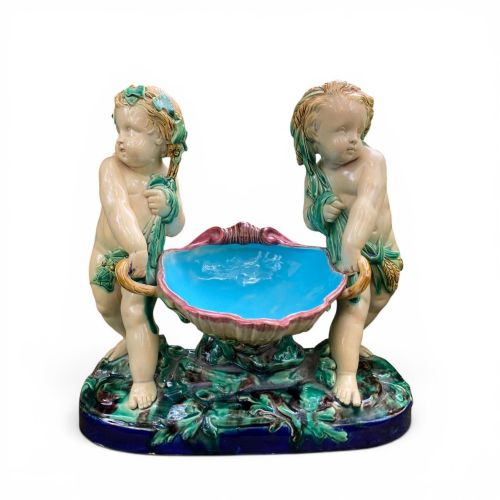
- A Victorian earthenware type characterised by colourful lead glazes applied over moulded low-relief designs, often depicting plants or figures. Minton produced notable examples of this technique.
- Comport
- A raised vessel on a foot or pedestal, traditionally used for serving fruit or sweetmeats at the conclusion of a meal. These pieces elevate the display above the surface of the dining table.
- Transfer printing
- A decoration method where an engraved copper plate transfers a printed design onto tissue paper, which is then rubbed onto the ceramic body before glazing. This technique allowed intricate scenes to be reproduced consistently.
- Crazing
- A network of fine cracks in the glaze layer caused by tension between the ceramic body and the outer glass coating over time. It appears frequently on older earthenware vessels.
Earthenware Fruit Bowl: Frequently Asked Questions
What is an earthenware fruit bowl used for?
These bowls served primarily to hold and present fresh fruit on dining tables or sideboards in historic homes. Their robust construction and decorative glazes allowed them to function as both practical vessels and ornamental centrepieces.
Today, they continue to serve as table centrepieces or display items in domestic interiors. Owners frequently utilise them for holding seasonal produce or floral arrangements.
How do I care for an antique bowl?
Wash antique earthenware gently by hand using mild soap and warm water, avoiding harsh detergents and automatic dishwashers. The porous nature of the clay body and historic glaze means these pieces require careful handling to prevent staining.
Keep them away from rapid temperature changes and avoid soaking pieces with existing hairline cracks or crazing. Display them on stable surfaces out of direct, prolonged sunlight to protect painted enamel details.
What distinguishes majolica from standard pottery?
Majolica utilises heavy moulded relief decoration combined with vibrant, translucent coloured glazes that pool in the recesses of the design. The technique creates a glossy, highly textured surface depicting natural forms like leaves and flowers.
Standard pottery often relies on flat painted patterns or transfer-printed scenes beneath a clear glaze. Majolica pieces are notably heavier and possess a distinct sculptural quality absent in simpler earthenware bowls.