


Cobalt Glaze Pottery Bowl
A cobalt glaze pottery bowl brings rich blue depth to a room through centuries of ceramic tradition.
Cobalt Glaze Pottery Bowl
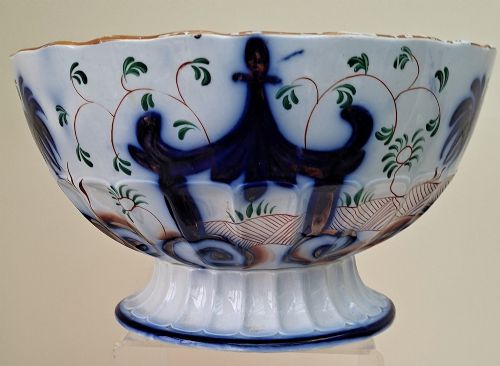
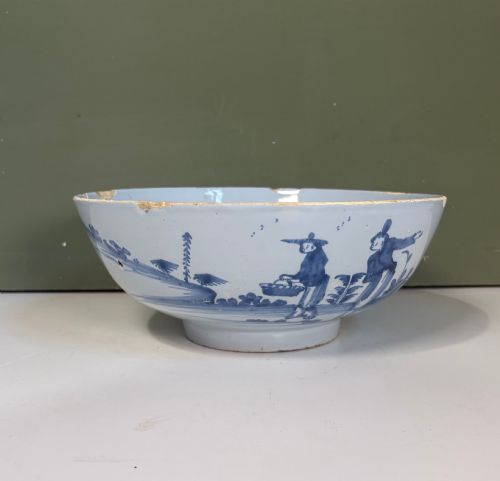
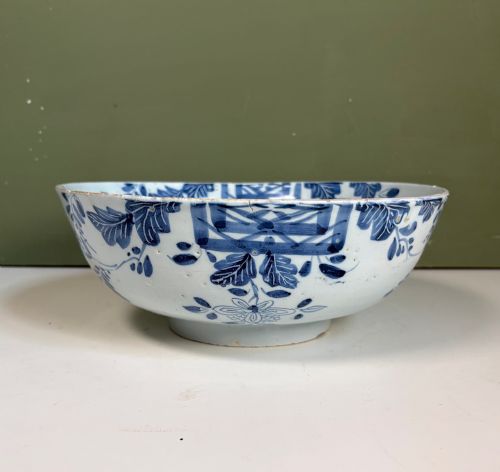
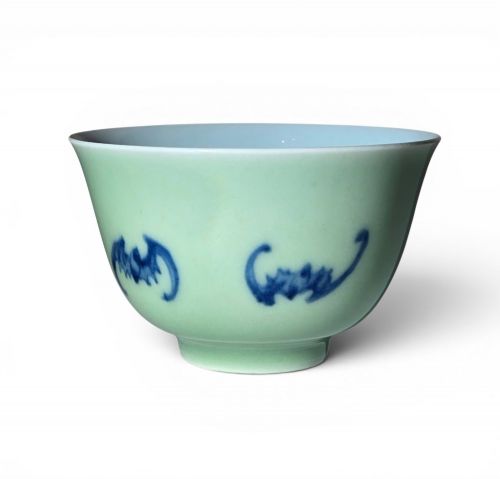
A cobalt glaze pottery bowl encompasses deep earthenware and ceramic vessels decorated in vibrant blue pigments across varied historical eras. These pieces range from eighteenth-century delftware dishes to nineteenth-century majolica and twentieth-century Moorcroft designs, each displaying distinct regional traditions.
The version most commonly met on this page is the eighteenth-century delft bowl, often rendered in tin-glazed earthenware with characteristic blue and white decoration. Alongside these European examples, buyers encounter nineteenth-century Japanese Satsuma pieces and twentieth-century British art pottery.
Forms span shallow bowls, footed vessels, and large centrepiece dishes, reflecting domestic and decorative uses over generations. The consistent thread connecting these diverse items is the striking application of cobalt oxide under or over the glaze.
How they were made
Potters shaped earthenware and ceramic bodies by hand or on the wheel before applying tin glaze or general glaze preparations. The raw clay provided a stable foundation for the liquid coatings that would receive the pigment.
Cobalt oxide was painted directly onto the surface, yielding intense blue tones when fired in the kiln. In tin-glazed examples, the metallic oxide melted into the opaque white glaze to create soft, bleeding edges, whereas other techniques captured sharper underglaze lines.
Listings feature earthenware, ceramic, and tin-glazed pottery spanning the eighteenth, nineteenth, and twentieth centuries.
What varies in quality
Quality rests in the precision and depth of the painted cobalt decoration, where confident brushwork distinguishes superior examples from stiff or rushed ornamentation. The richness of the blue hue and its harmonious interaction with the underlying glaze define the visual success of each piece.
The refinement of the ceramic body and the uniformity of the glaze application also separate standard production from finer studio or factory work. Balance in the thrown form and clarity in any applied marks complete the assessment of a vessel's merit.
Moorcroft·Gien·Kinkozan Kyoto
The Cobalt Glaze Pottery Bowl Glossary
- Cobalt Glaze
- A vitreous coating coloured with cobalt oxide to produce deep blue shades upon firing. It has been utilised across centuries in various ceramic traditions.
- Delftware
- Tin-glazed earthenware originating in the Netherlands and England, typically featuring blue decoration on a white background. Pieces from the eighteenth century frequently display lively hand-painted motifs.
- Tin-Glazed Earthenware
- Pottery covered with a lead glaze made opaque by the addition of tin oxide. This creates a smooth white surface ideal for holding painted cobalt pigments.
- Centrepiece Bowl
- A large decorative vessel intended to sit in the middle of a table or sideboard. These items often feature elaborate painting or moulded details.
- Charger
- A large ceremonial or decorative dish wider than a standard plate. They were frequently displayed on walls or dressers rather than used for dining.
Cobalt Glaze Pottery Bowl: Frequently Asked Questions
What periods do these bowls span?
The selection covers items from the eighteenth and nineteenth centuries, alongside twentieth-century studio pottery. This chronology bridges early delftware production and later revival styles.
Each period brings distinct manufacturing methods and stylistic preferences to the cobalt decoration.
Are these bowls suitable for daily use?
Historical earthenware and tin-glazed pieces are best reserved for display rather than functional dining. The historic glaze layers can be sensitive to modern cutlery and acidic foods.
Twentieth-century ceramic pieces are sturdier but still benefit from careful handling.
How is cobalt blue applied?
Cobalt oxide is painted onto the raw clay body before glazing, or directly onto an unfired tin glaze layer. The piece is then fired at high temperatures so the pigment fuses permanently with the surface.
This technique creates the characteristic durable blue coloration found across the eras.