
Vintage Art Pottery
Vintage art pottery brings together expressive forms and rich ceramic glazes from the late nineteenth and early twentieth centuries.
Vintage Art Pottery
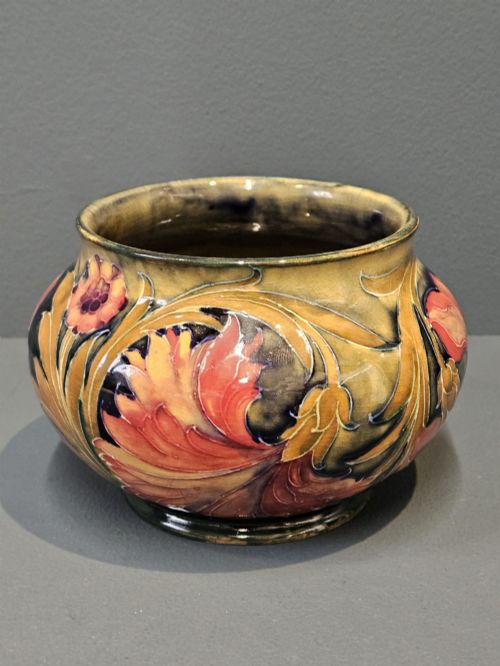
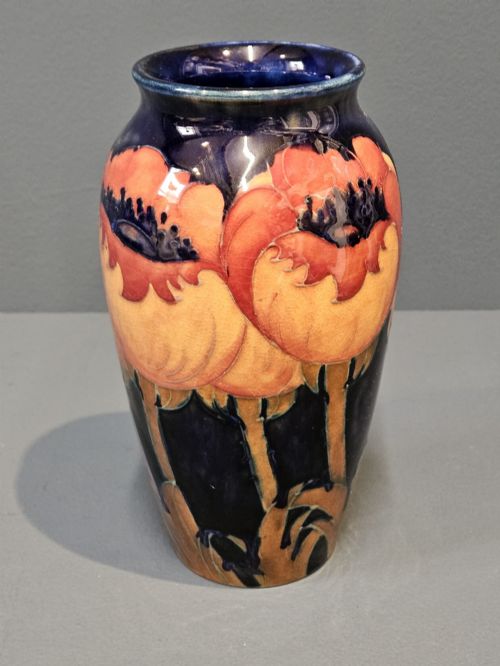
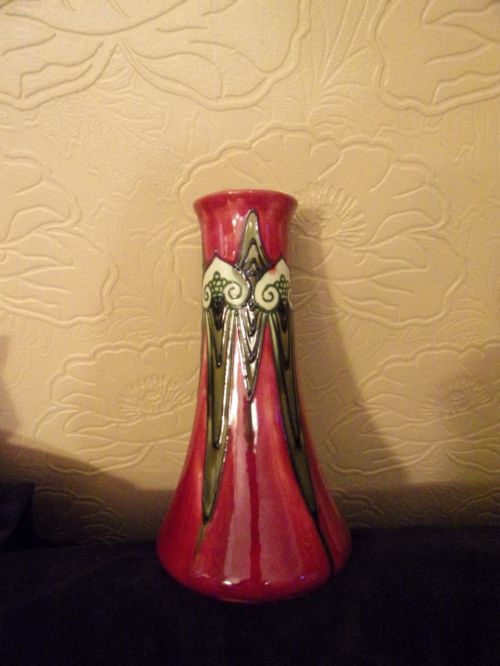
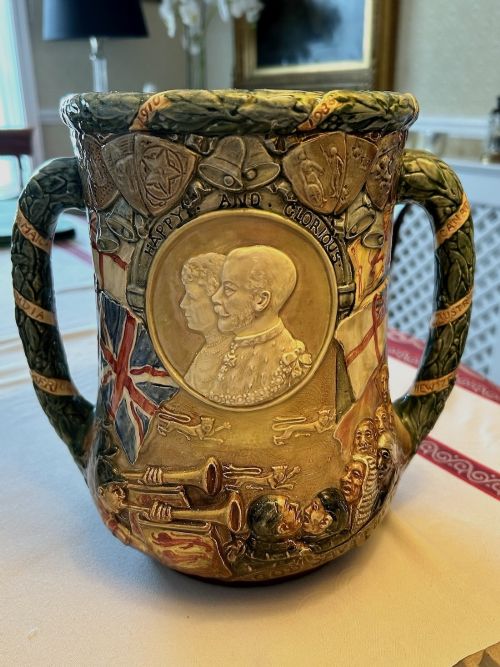
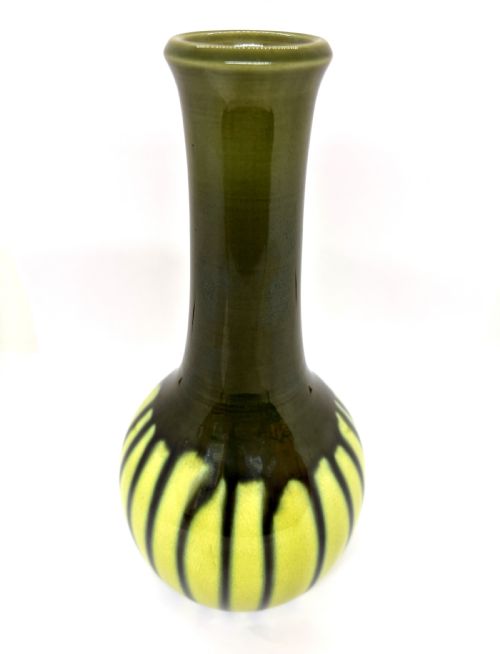
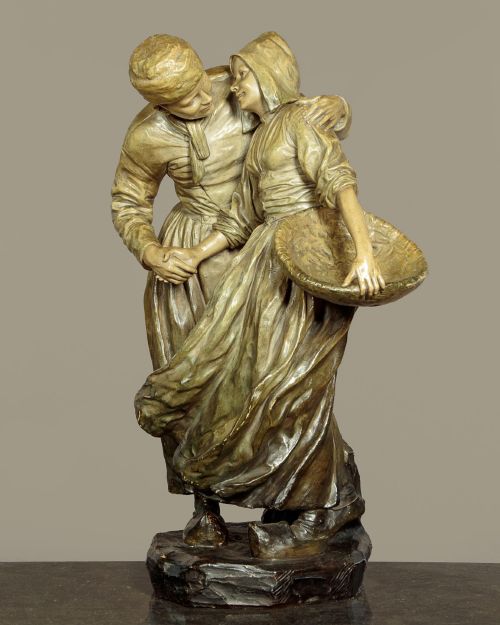
When you search for vintage art pottery, you encounter a diverse range of decorative ceramic items including vases, figurines, lamps, and bowls. These pieces originate from periods such as the Victorian era, the Edwardian years, and the 1920s and 1930s, spanning Art Nouveau, Art Deco, and Arts and Crafts styles.
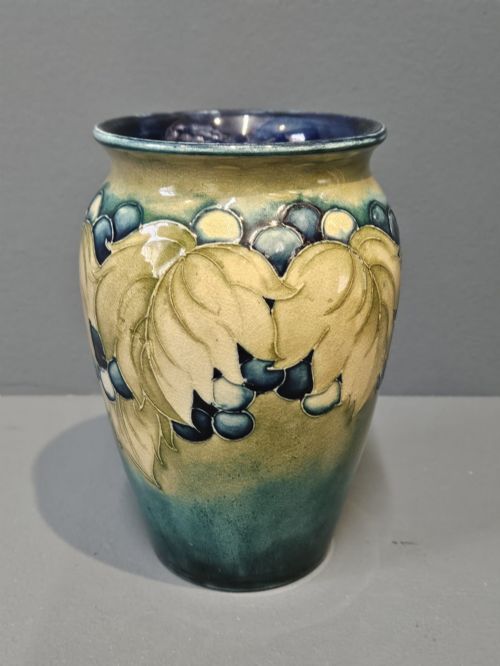
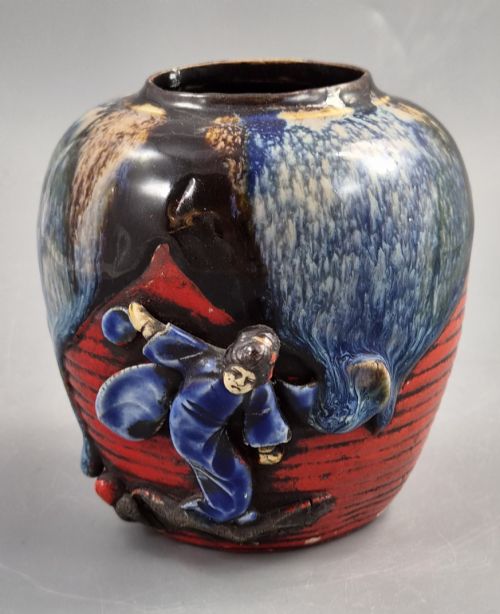
The selections available include notable studio pottery figurines, earthenware vessels, and porcelain sculptures. British potteries like Moorcroft and Doulton appear alongside continental European workshops and Japanese works.
Buyers look for distinct glazing techniques, sculptural modelling, and identifiable studio marks that reflect the design movements of their time. The most frequent pieces combine functional ceramic forms with artistic surface decoration.
How They Were Made
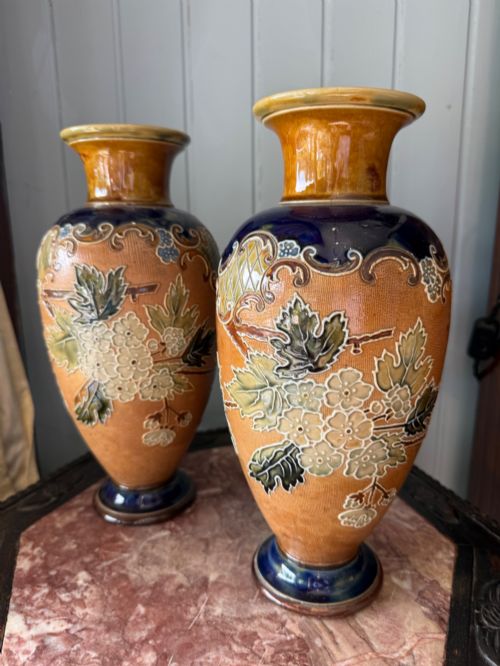
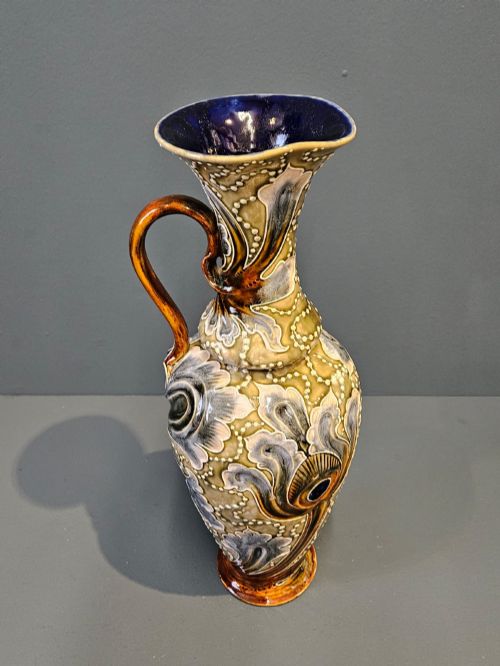
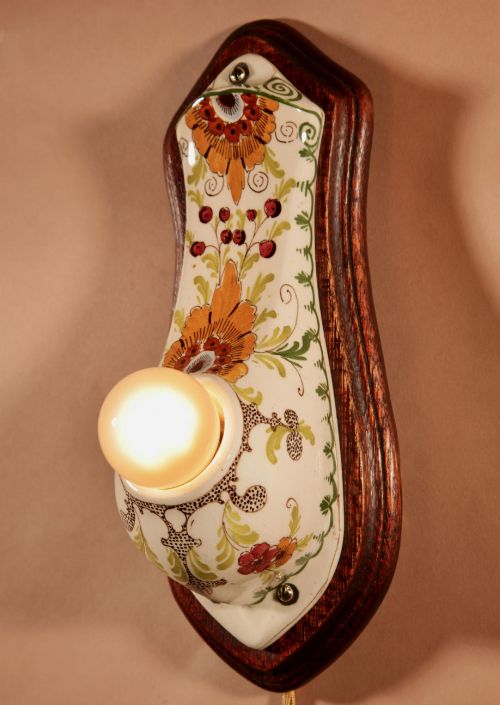
Maker's workshops utilised earthenware, stoneware, and porcelain bodies, shaping them by hand or moulding them into decorative forms. Artisans applied complex techniques such as tube-lining, hand enamelling, and adding gold leaf to accentuate surface details.
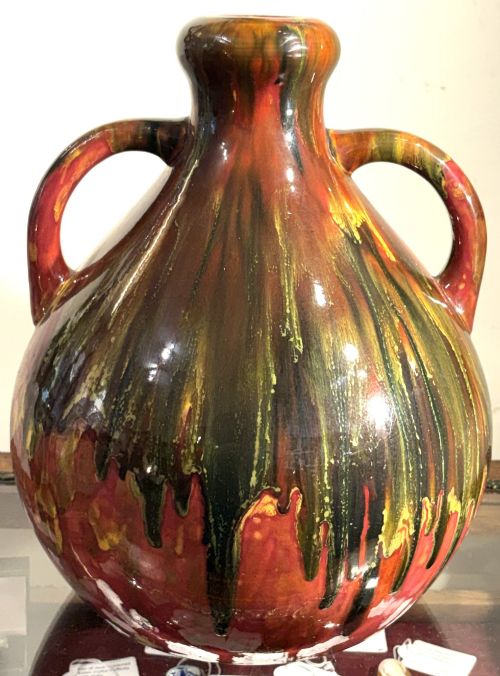
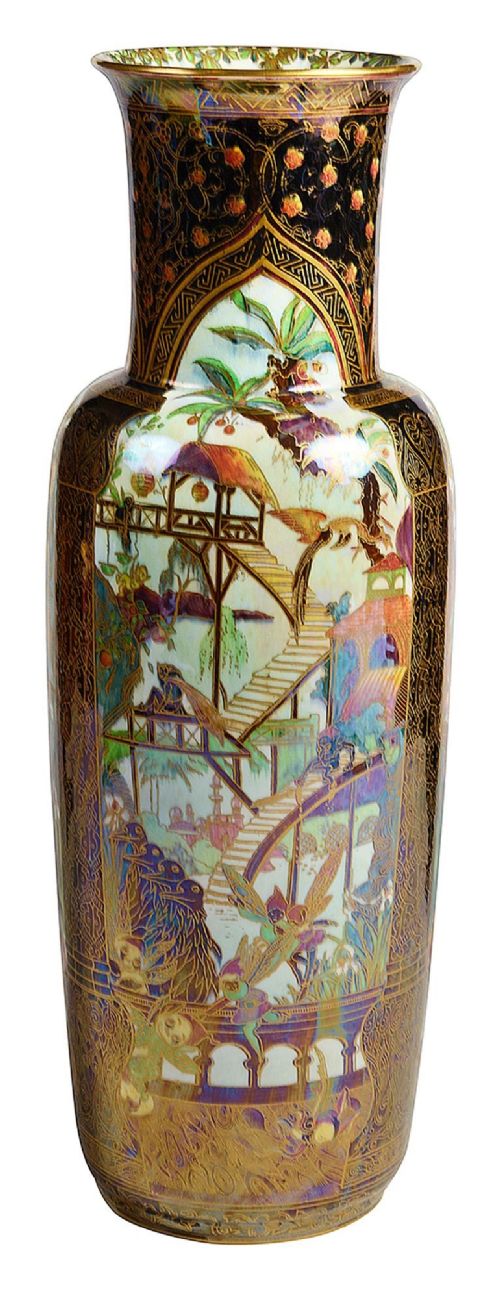
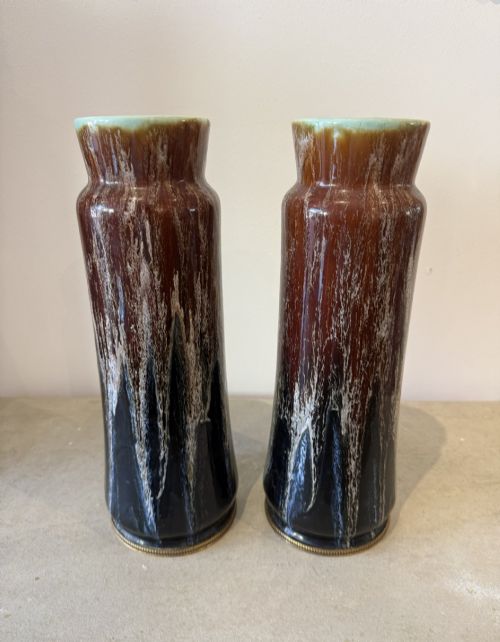
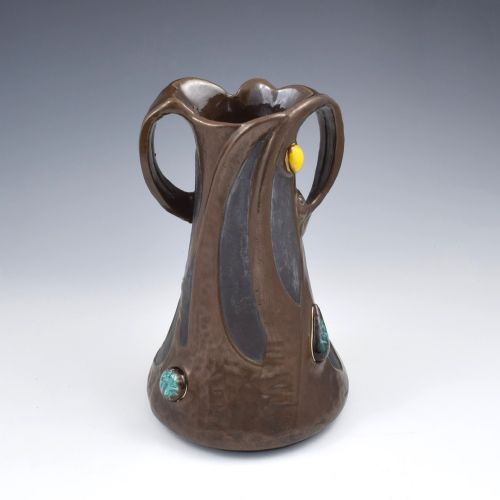
Glazing defined the final appearance, ranging from rich flambé finishes and iridescent lUSTRES to copper effect treatments and jewelled cabochons. Firing these ceramic pieces required precise kiln control to achieve the characteristic colours and textures seen across different periods.
The listings encompass earthenware, stoneware, and porcelain across Victorian, Edwardian, and twentieth-century periods.
What Varies in Quality
The calibre of vintage art pottery depends upon the precision of the modelling and the depth of the glaze chemistry. Hand-painted designs and complex tube-lined work demonstrate a higher level of artisan skill than standard production pieces.
Distinction also lies in the execution of decorative elements like raised cabochons or lustre finishes, where control over the firing process determines the brilliance of the surface. Works associated with known designers or specific studio potteries carry greater artistic definition.
Moorcroft·Royal Doulton·Wedgwood·Royal Dux Bohemia·Minton·Charles Vyse·Berthe Savigny·Goldscheider
The Vintage Art Pottery Glossary
- Earthenware
- A porous ceramic body fired at lower temperatures, commonly used for traditional pottery and glazed vessels. It requires an impermeable glaze to hold liquids.
- Flambé glaze
- A streaked or mottled metallic glaze achieved through a reduction firing process in the kiln. It creates rich transitions of colour, notably deep reds and blues.
- Tube-lining
- A decorative technique where a fine line of slip is squeezed onto the clay body through a nozzle to outline a design before glazing. This creates raised borders that contain the pools of coloured glaze.
- Lustre
- A ceramic finish containing metallic elements that produce an iridescent sheen when fired in a specialised kiln. It reflects light with a pearlescent or metallic glow.
- Okimono
- A Japanese term for a freestanding decorative figurine or sculpture intended for display on a shelf or in a tokonoma. These figures often depict traditional subjects with fine sculptural detail.
Vintage Art Pottery: Frequently Asked Questions
How do I identify art pottery periods?
Examine the stylistic cues, such as flowing organic lines for Art Nouveau or geometric shapes for Art Deco. Maker marks, signatures, and stamps on the base provide precise chronological anchors.
Compare the glaze types and manufacturing techniques against known historical periods like the Edwardian era or the 1920s. Documentation and archival records further clarify the date of creation.
What is tube-lined pottery?
Tube-lining involves applying raised lines of liquid clay onto the unglazed ceramic body using a bulb or syringe. This creates distinct compartments that hold different colours of glaze during the firing process.
The resulting design has a tactile, three-dimensional quality that separates it from flat painted ceramics. Famous studios frequently utilised this method for floral and abstract motifs.
How should I display ceramic vases?
Place ceramic vessels in stable locations away from direct sunlight to preserve the integrity of surface enamels and lUSTRES. Ensure shelves or tables can support the weight of denser stoneware or porcelain pieces.
Allow adequate space around sculptural forms and decorative bowls to highlight their profiles and glazes. Avoid high-traffic areas where accidental knocks might damage fragile earthenware.
Are figurines marked by makers?
Many figurative sculptures and studio pottery figures feature impressed stamps, painted monograms, or paper labels on the underside. These marks indicate the producing pottery, the individual artist, or the model number.
Unsigned pieces can sometimes be attributed through distinctive modelling styles, glazes, and known factory forms. Researching period catalogues helps connect unmarked works to their creators.