

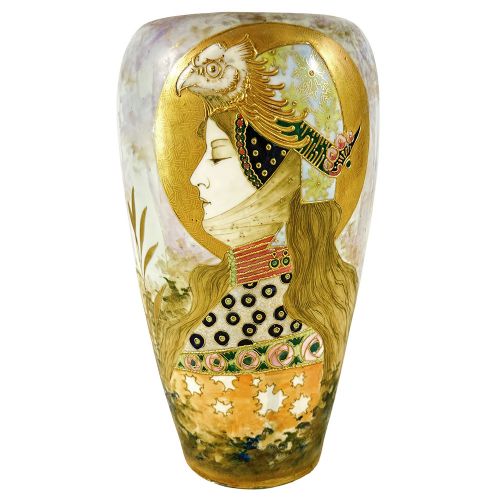
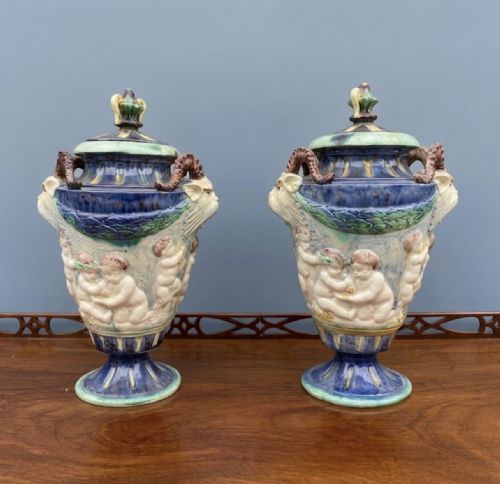


Earthenware Display Vase
These earthenware display vase examples bring together centuries of global ceramic craft, offering striking focal points for any room.
Earthenware Display Vase
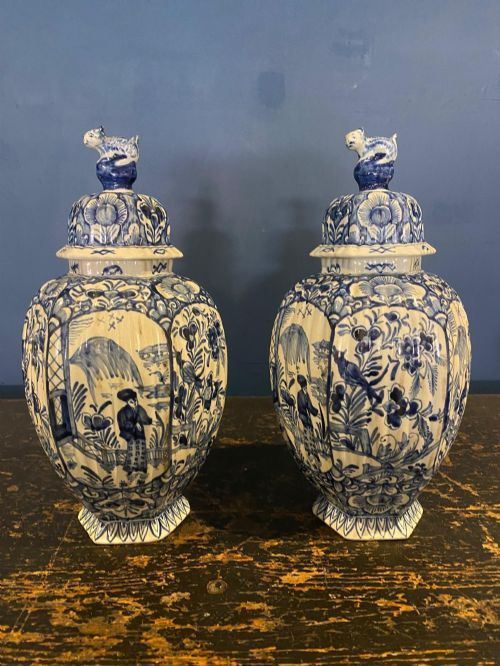
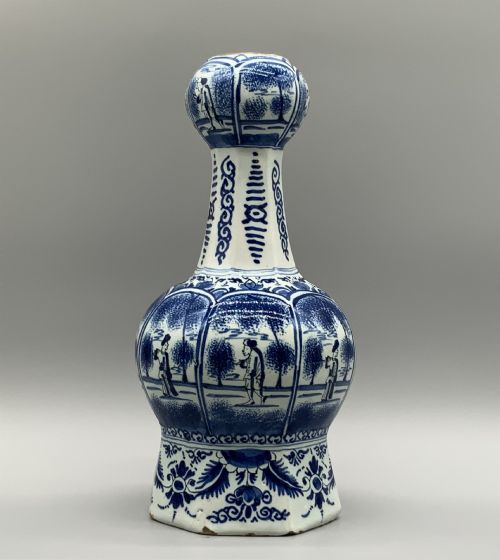
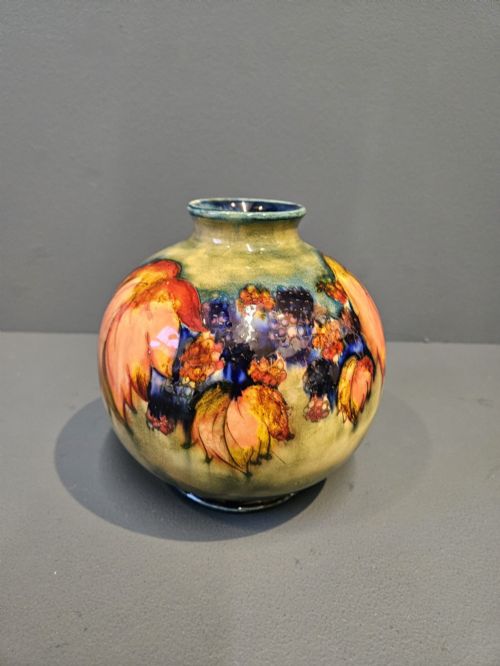
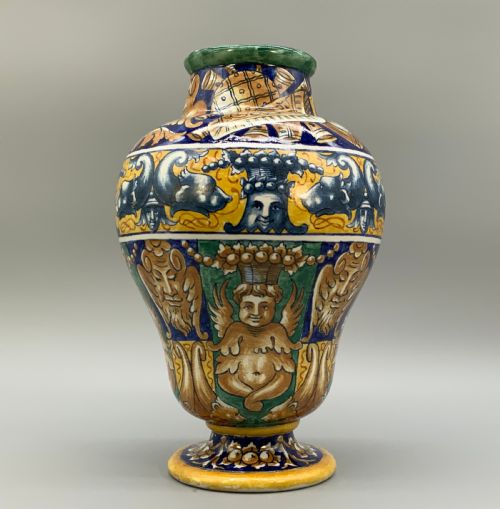
An earthenware display vase serves primarily as an ornamental object rather than a vessel for cut flowers, often standing out through elaborate surface decoration and substantial proportions. When you search for this phrase, you encounter diverse forms ranging from large Japanese Satsuma vessels to Dutch Delft faience and British pottery.
The pieces appearing on this page span several centuries, with a strong representation of 19th-century items alongside 17th-century Dutch examples and 20th-century Art Deco creations. You will frequently find matching pairs or single monumental jars designed for prominent placement on mantelpieces and pedestals.
Makers from various traditions utilised distinctive motifs, from Chinoiserie blue and white patterns to polychrome figures and intricate moriage relief work. Each origin brings a specific aesthetic, whether the refined detail of Meiji period Satsuma or the rustic charm of European tin-glazed earthenware.
Materials and construction methods
Potters shaped porous clay bodies before applying specialised coatings, utilising tin glaze, enamel, and transparent glazes to seal the earthenware surface. Many workshops then decorated these pieces by hand using cobalt blue pigments, rich polychrome enamels, and delicate gold leaf highlights.
Advanced techniques included low-temperature flambé firings and raised moriage paste work that added tactile dimension to court figures and floral scenes. Kiln processes varied by region, resulting in distinct surface textures from high-gloss finishes to chalky matte earthenware.
Earthenware Display Vase Retail Price Guide 2026
Typical asking prices for earthenware display vase among the pieces listed under this phrase on Sellingantiques today, from the lower quarter to the upper quarter. They describe what is for sale here now, not the wider market.
Listings feature earthenware display vases spanning the seventeenth century through to the Art Deco period of the nineteen-thirties.
Distinctions in craftsmanship
The upper tier of these ceramics displays exceptional precision in hand-painted detail, where facial expressions on figures and botanical lines remain crisp and deliberate. Lesser examples show hurried brushwork and simplified motifs that lack the depth found in exhibition-quality pieces.
Subtleties in gilding and glaze consistency separate ordinary production from superior works, with high-quality items retaining rich gold leaf and stable enamel without flaking. The weight and balance of the earthenware body also indicate the maker's skill in handling large or complex forms.
Moorcroft·Nicholas Kannhauser·Reissner, Stellmacher and Kessel·Seiko-en Chokei·Hododa·Kinkozan·Charlotte Rhead·Wedgwood
The Earthenware Display Vase Glossary
- Faience
- Tin-glazed earthenware produced in Europe, typically featuring painted decoration over an opaque white background. This technique was popular in Dutch and French workshops during earlier centuries.
- Moriage
- A decorative technique using clay applied in trailing lines or dots to create raised patterns on Japanese ceramics. It frequently appears on Satsuma ware alongside heavy gilding.
- Chinoiserie
- European decorative style reflecting Chinese artistic influences, commonly seen in blue and white Delftware vases depicting imaginary landscapes and figures.
- Majolica
- Opaque tin-glazed earthenware decorated with brightly coloured metal oxide paints. The style saw significant revival during the nineteenth century across European potteries.
- Flambé
- A streaky, variegated glaze effect achieved through reduction firing in the kiln. This process creates unpredictable colour shifts across the ceramic surface.
Earthenware Display Vase: Frequently Asked Questions
What is an earthenware display vase?
An earthenware display vase is a decorative ceramic piece made primarily for visual impact rather than practical utility. These items function as sculptural centrepieces in interior spaces.
They encompass various regional traditions, including Japanese Satsuma ware and European tin-glazed earthenware, each utilising distinct glazing and painting techniques.
How do I care for these vases?
Display these ceramics away from direct sunlight and areas subject to rapid temperature fluctuations to protect the glazes and gold leaf. Dust them gently with a soft, dry brush.
Avoid filling them with water, as porous earthenware bodies can absorb moisture and damage historical glazes or painted surfaces over time.
How do I identify the period?
Dating relies on stylistic markers, maker signatures, and the specific characteristics of the clay body and glaze. Nineteenth-century pieces often feature intricate hand-painted enamels, while seventeenth-century examples typically display tin-glazed earthenware construction.
Examining the base and any visible exhibition marks or mon symbols provides further clues regarding the manufacturing era.
Where were they originally placed?
Historically, large display vases occupied prominent architectural positions such as mantelpieces, entrance halls, and drawing-room pedestals. Pairs were often arranged symmetrically to balance formal interior schemes.
Their substantial size ensured they commanded attention within wealthy nineteenth-century and earlier domestic settings.