


Antique Barrel Stool
These antique barrel stool examples bring sculptural Chinese form and European garden seating together, offering robust function and rich cultural pattern for interior or exterior spaces.
Antique Barrel Stool
An antique barrel stool serves as a versatile seating piece, plant stand, or side table, taking inspiration from traditional drum and barrel shapes originating in China. Collectors encounter these forms spanning the nineteenth century through the early twentieth century, encompassing both Chinese regional production and European interpretations.
The category incorporates diverse object types such as garden seats, accent stools, and occasional tables. Pieces frequently arrive in pairs or as single statements, reflecting the broad utility demanded by historical interiors and conservatories.
Materials and construction methods
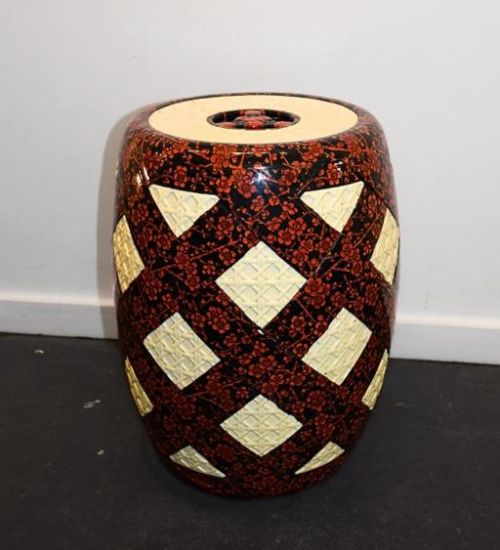
Maker workshops utilised dense timbers including hardwood, hongmu, teak, and burr wood, often finished with intricate carving, lacquer, or mother-of-pearl inlay. These wooden iterations demonstrate joinery traditions suited to barrel forms.
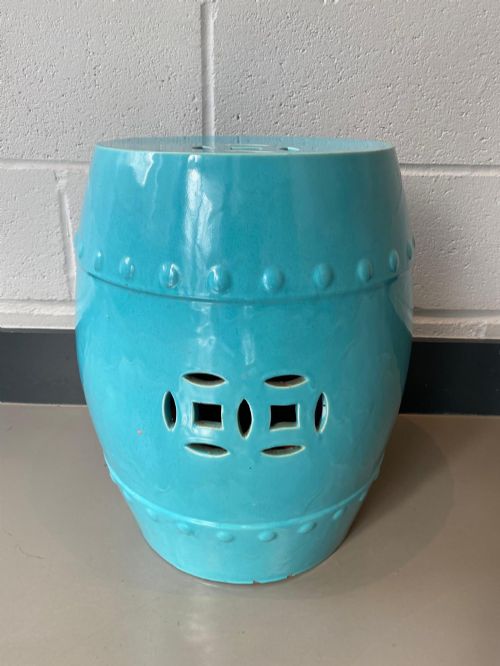
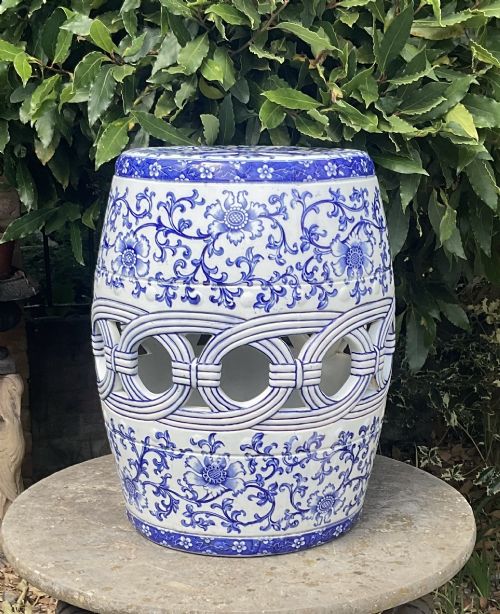
Ceramic and pottery versions rely on earthenware, ironstone, creamware, and porcelain bodies finished with glaze, enamel, and hand-painted motifs such as blue and white, Canton famille rose, and rose medallion.
Mother-of-pearl inlay catches candlelight just as effectively today as it did in a nineteenth century parlour.
Distinctions in quality
Quality rests upon the precision of the carving in wooden examples, or the crispness and complexity of the enamel and glaze work in ceramic pieces. Finer specimens display detailed hand-painted narratives and superior timber selection.
Condition and originality dictate distinction, separating items with intact structural joinery or well-preserved hand-painted surfaces from those showing heavy restoration or degraded finishes.
Minton
The Antique Barrel Stool Glossary
- Hongmu
- A dense tropical hardwood utilised in traditional Chinese furniture making. It translates to red wood and provides heavy, durable framing for carved details.
- Ironstone
- A type of durable earthenware patented in the nineteenth century. It bridges the gap between pottery and porcelain through its heavy body and strength.
- Clobbered
- A ceramic term describing older glazed pottery or porcelain that has been decorated overseas with additional enamel colours and refired. This practice was common in European trade contexts.
Antique Barrel Stool: Frequently Asked Questions
Can antique barrel stools go outside?
Ceramic and pottery versions function well in sheltered outdoor garden settings because their glazed earthenware bodies resist moisture. Wooden iterations require indoor placement to protect the timber and inlays from weather damage.
Humidity changes and direct rain will degrade lacquered surfaces and split aged hardwoods, making interior placement the safest choice for wooden barrel forms.
How do I identify Chinese export porcelain?
Chinese export pieces typically display characteristic famille rose or blue and white painting styles tailored for Western markets during the nineteenth century. Examining the base, glaze consistency, and iron-spotting helps confirm age and origin.
The weight of the porcelain and the hand-applied nature of the enamel pigments provide further clues to distinguish period production from later decorative copies.
Were these stools used for sitting?
Historical examples served multiple functions as occasional seats, footstools, or structural pedestals for heavy planters and decorative objects. Their sturdy drum shape provided stable support across domestic rooms and gardens.
Over time, many surviving pieces transitioned into decorative plant stands or side tables rather than active seating due to their age and delicate glazed or inlaid surfaces.
What is rose medallion porcelain?
Rose medallion is a distinct nineteenth century Chinese porcelain decorative style featuring segmented panels filled with figures, birds, and flowers. The palette relies heavily on pink enamel and green accents.
These detailed pictorial panels cover the surface of the barrel form, creating a dense pattern that distinguishes the style from simpler blue and white designs.