



Blue Transferware Bowl
A blue transferware bowl brings crisp printed scenes and rich cobalt tones straight from the pottery kiln into the domestic interior.
Blue Transferware Bowl
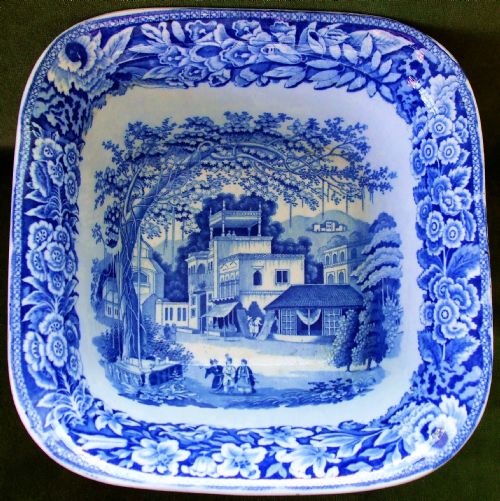
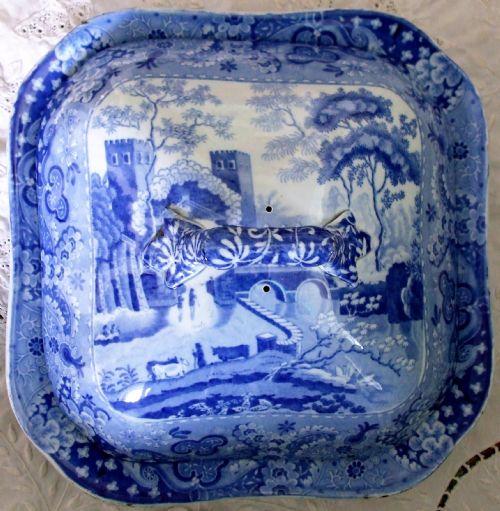
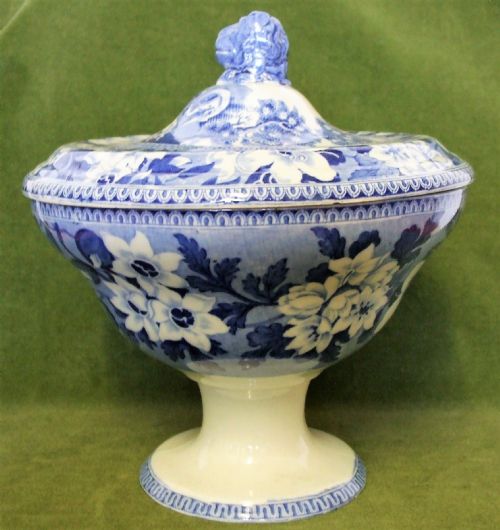
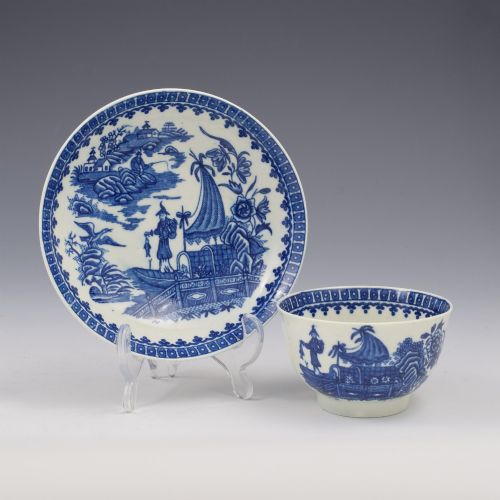
A blue transferware bowl encompasses a range of domestic ceramic vessels, from deep fruit bowls and footed vessels to delicate tea bowls created during the eighteenth and nineteenth centuries. Buyers frequently encounter examples hailing from Staffordshire potteries and prominent English factories spanning the Georgian and Victorian eras.
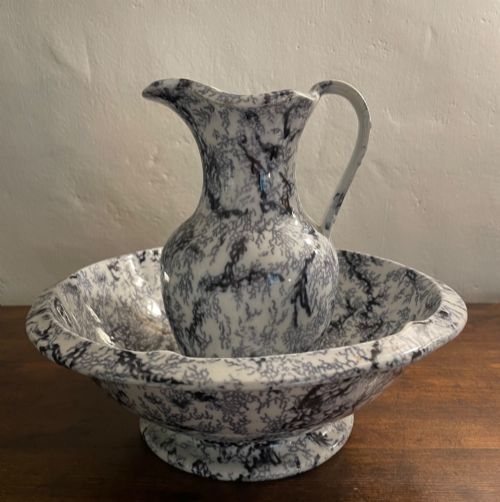
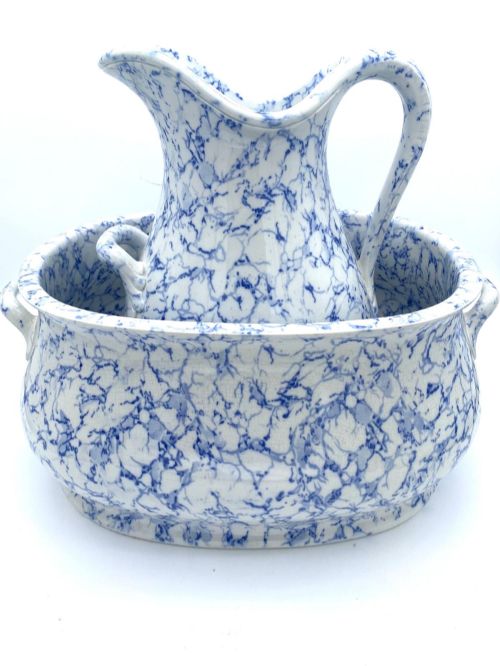
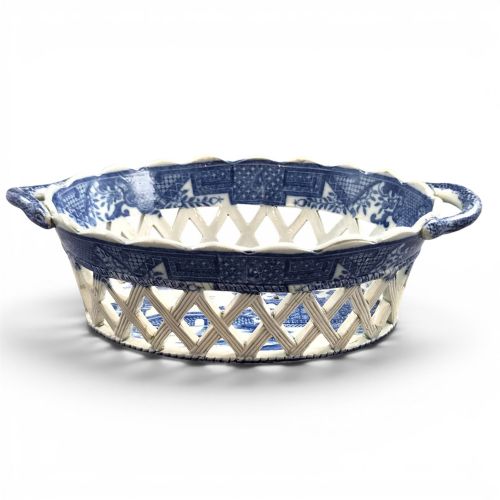
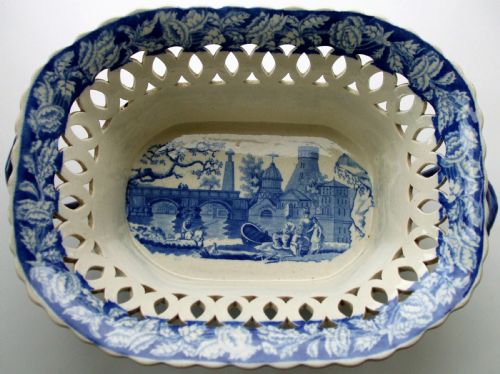
The selection extends beyond standard bowls to incorporate related hollowware forms such as chestnut baskets, wash sets, and tureens decorated with cobalt blue printed scenes. These pieces capture domestic scenes, architectural views, and classical landscapes transferred onto ceramic bodies.
Materials and Technique
Potters formed these items from earthenware, pearlware, ceramic, and porcelain before applying a fluid glaze to seal the porous body. The distinctive decoration relied on transfer printing, a technique where an engraved copper plate transferred an inked pattern onto tissue paper and subsequently onto the ceramic surface prior to firing.
Certain pieces received additional hand-finishing or touches of gilt to highlight specific elements of the printed design. Kiln firing fixed the cobalt oxide pigment beneath or within the glaze, producing the deep blue coloration characteristic of these wares.
Object forms range from tea bowls and chestnut baskets to large wash sets, footbaths, and covered tureens.
Assessing the Pieces
Quality rests primarily in the crispness and clarity of the transfer print, where superior examples display sharp lines without blurring or smudging from the copper plate. The depth and evenness of the glaze also dictate the overall success of the piece, alongside the finesse of the underlying ceramic form.
Early pearlware bodies and fine porcelain tea bowls generally command attention for their potting standards, while larger utilitarian items rely on sturdy earthenware construction. The complexity of the printed landscape or architectural pattern further distinguishes standard production from finer workshop output.
Minton·Spode·J. & R. Clews·J. & R. Riley·John Rogers & Son·Ridgway·Doulton Burslem·James Wallace & Co.·Copeland and Garrett
The Blue Transferware Bowl Glossary
- Transferware
- Earthenware or porcelain decorated by transferring a printed design from an engraved copper plate onto the ceramic body. This technique allowed factories to produce intricate patterns consistently across large services.
- Pearlware
- A refined earthenware developed by Josiah Wedgwood featuring a faint bluish glaze that pooled in recesses. It bridged the gap between creamware and later white earthenwares.
- Flow blue
- A style of transfer printing where lime or ammonia chloride vapour was introduced into the kiln during firing to intentionally blur the cobalt design. This created a rich, hazy aesthetic popular in the nineteenth century.
- Chestnut basket
- An openwork ceramic vessel designed for serving chestnuts or fruit at the dining table. These pieces often feature pierced reticulated walls and matching stands.
- Comport
- A raised dish or bowl on a foot, used for serving fruit or sweetmeats as part of a formal tablescape. They appear in porcelain and earthenware bodies.
Blue Transferware Bowl: Frequently Asked Questions
How do I date a blue transferware bowl?
Dating relies on examining the ceramic body, glaze characteristics, and the style of the printed border or backstamp. Early pieces often utilise pearlware bodies with subtle blue-tinted glazes, whereas later Victorian examples employ heavier earthenware.
Maker marks and registration numbers stamped into the base provide precise clues for pieces produced after the mid-nineteenth century. Stylistic cues within the printed landscape further narrow down the decade of manufacture.
What is flow blue pottery?
Flow blue refers to transfer-printed ceramics where the cobalt pigment intentionally bled into the surrounding white glaze during the kiln firing. This chemical vapour technique produced a soft, hazy outline that collectors prize for its atmospheric depth.
The style gained prominence during the Victorian era, appearing on large tableware sets, footbaths, and wash basins across various English potteries.
How were these bowls used historically?
Domestic bowls served practical dining functions ranging from holding fruit and vegetables to containing water within larger wash sets. Large footed basins and toilet sets equipped nineteenth-century bedchambers before modern plumbing.
Smaller tea bowls and comports formed part of formal dining and tea services, showcasing wealth through coordinated decorative themes at the table.
Can I use antique transferware daily?
While these ceramics remain robust, antique earthenware and pearlware require careful handling due to their age and potential glaze crazing. Hand washing is strongly recommended to preserve the integrity of the ceramic body and prevent staining through microscopic fissures.
Displaying them as decorative centerpieces or using them for dry storage ensures they survive safely for future generations.
What does reticulated mean on a basket?
Reticulated describes an openwork or net-like pattern formed by cutting shapes out of the wet clay before firing. This decorative piercing reduced the weight of chestnut baskets and allowed air circulation around table fruits.
Potters executed these geometric or lattice cutouts by hand prior to applying the transfer-printed glaze.