



British Royal Memorabilia
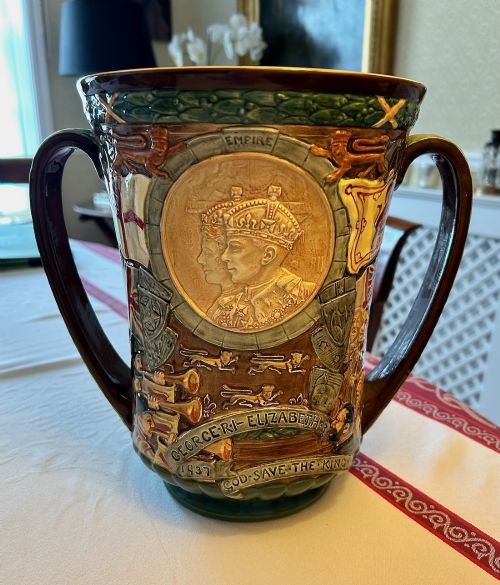
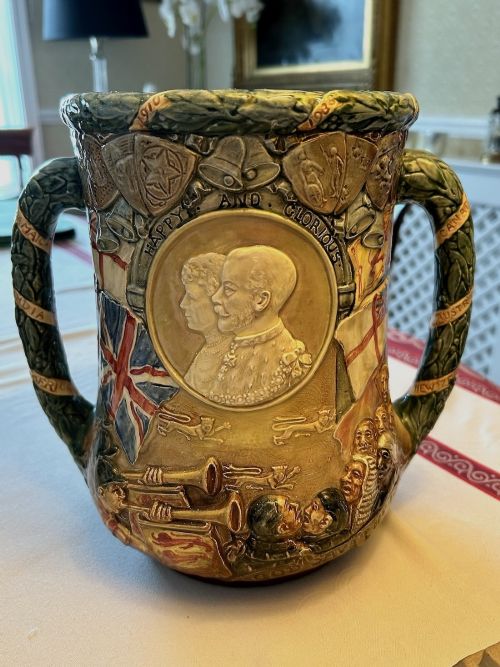
British royal memorabilia captures royal occasions through commemorative medals, decorative vessels, stools, and oil paintings.

British Royal Memorabilia
British royal memorabilia comprises pieces created to commemorate monarchs and significant state events, spanning the nineteenth century up to the interwar period. Collectors encounter diverse forms on this page, including commemorative medals, decorative vessels, seating, and oil paintings.
What varies in quality
Quality differences lie in the fidelity of the portraiture, the execution of the materials, and the presence of documented makers or presentation context. Items bearing signatures or specific workshop attributions demonstrate superior craftsmanship.
The sophistication of the medium - ranging from detailed oil paintings on canvas to finely moulded earthenware and cast bronze - determines the piece's standing within the category.
British Royal Memorabilia Retail Price Guide 2026
Typical asking prices for british royal memorabilia among the pieces listed under this phrase on Sellingantiques today, from the lower quarter to the upper quarter. They describe what is for sale here now, not the wider market.
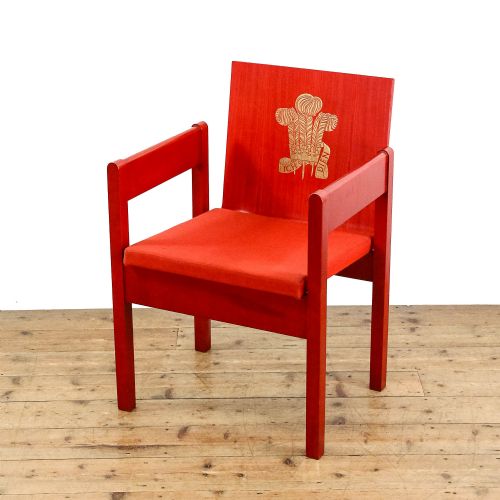
Coronation stools bring royal seating straight from Westminster Abbey into the sitting room.
Royal Doulton·B. North and Son·Kershaw Schofield
The British Royal Memorabilia Glossary
- Commemorative medal
- A metal token struck to honour a specific royal anniversary or coronation. These pieces record historical milestones in relief.
- Earthenware
- Porous pottery fired at lower temperatures and typically finished with a glaze. It serves as a common base for commemorative vessels.
- Limed oak
- Timber treated with a special finish that highlights the grain with a whitish paste. This material appears in period furniture such as coronation stools.
- Oil painting
- Artwork created by pigment suspended in drying oil applied to canvas. This technique captures detailed dual portraits of monarchs.
British Royal Memorabilia: Frequently Asked Questions
What periods do these pieces cover?
The inventory spans the nineteenth century through to the interwar period of the nineteen twenties and thirties. Items reflect specific royal jubilees and coronations from these eras.
Each piece corresponds to the reigning monarch of its time, offering a tangible link to historical state events.
How were coronation stools used?
Coronation stools provided seating for attendees at Westminster Abbey during coronation ceremonies. They were subsequently made available to participants and collectors.
These pieces combine functional seating with sturdy timbers like limed oak, often bearing maker marks from specialist workshops.
What materials appear in these items?
Makers employed diverse materials including earthenware with glaze, bronze, leather, silk, velvet, and braid. Oil paintings on canvas and limed oak frames also feature prominently.
This variety reflects the different trades involved in producing royal commemoratives, from potteries to fine artists.
How do I identify a limited edition piece?
Limited edition pieces carry specific stamps or inscriptions denoting their status. Commemorative vessels often feature moulded text detailing the royal event and edition parameters.
Observing these maker marks and signatures helps confirm the provenance and context of the object.