




Oak Dressing Stool
An oak dressing stool brings solid timber character and practical seating to a bedroom, combining sturdy construction with period textile tops.

Oak Dressing Stool
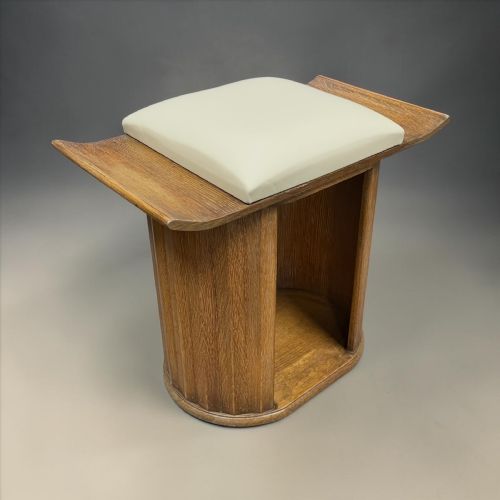
An oak dressing stool is a compact seating piece designed for use at a dressing table, piano, or fireside. The listings show forms ranging from plain timber frames to drum-shaped storage models and carved revival styles.
Buyers most frequently encounter examples from the nineteenth century through the 1930s. These span nineteenth-century carved pieces to Art Deco designs from the 1920s and 1930s.
Origins include English workshops and makers such as Harry & Lou Epstein and B. North & Son. Forms often double as footstools or music stools, sometimes incorporating internal lid storage.
How they were made
Frames utilise solid oak, occasionally highlighted with limed finishes or burr walnut veneers. Joinery relies on traditional carpentry methods suitable for load-bearing domestic furniture.
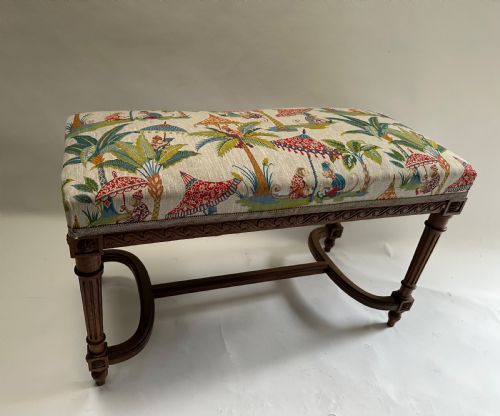
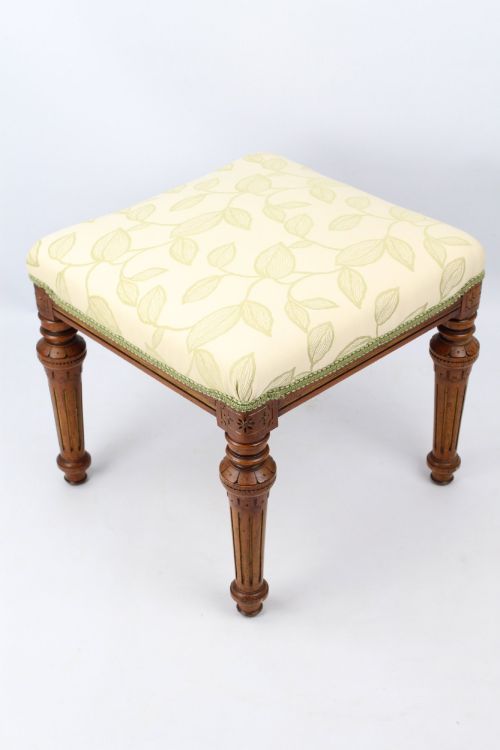
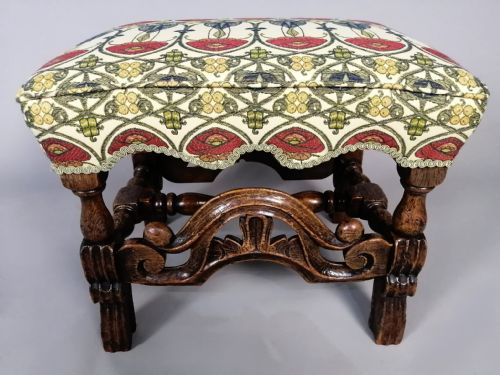
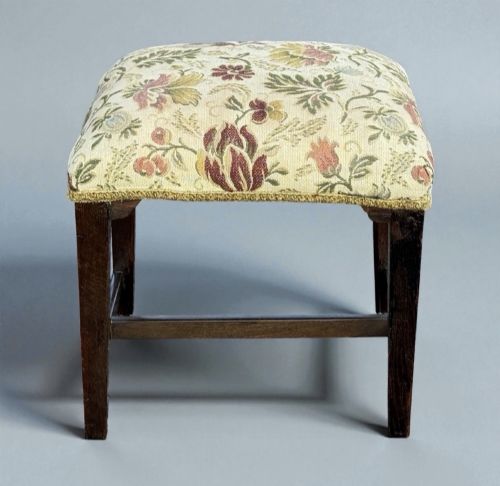
Seating surfaces incorporate upholstery fabrics, velvet, tapestry fabric, woven fabric, and needlepoint. Braid trim frequently finishes the edges where fabric meets the wooden frame.
Oak Dressing Stool Retail Price Guide 2026
Typical asking prices for oak dressing stool among the pieces listed under this phrase on Sellingantiques today, from the lower quarter to the upper quarter. They describe what is for sale here now, not the wider market.
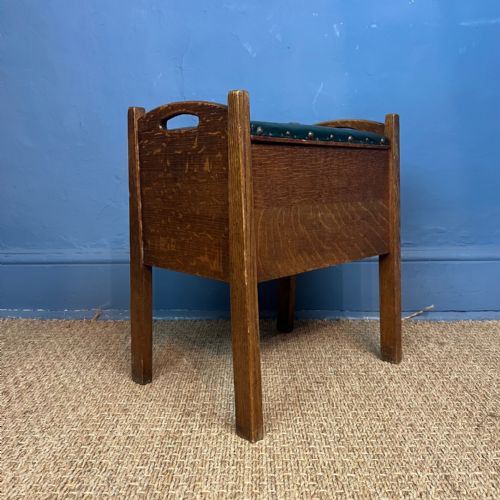
Some stools double as secret hiding spots with lift-up lids, perfect for stashing sheet music or midnight snacks.
What varies in quality
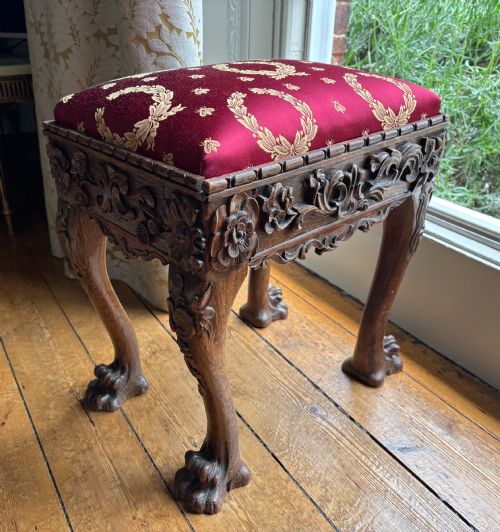
Quality rests in the crispness of timber carving, the integrity of the frame construction, and the proportion of the legs. Revival pieces demonstrate varying depths of hand-carving compared to simpler turned supports.
The choice of covering material and the execution of upholstery work distinguish standard production from notable maker pieces. Original textiles and designated maker attributions elevate the standing of a stool.
Harry & Lou Epstein·B. North & Son
The Oak Dressing Stool Glossary
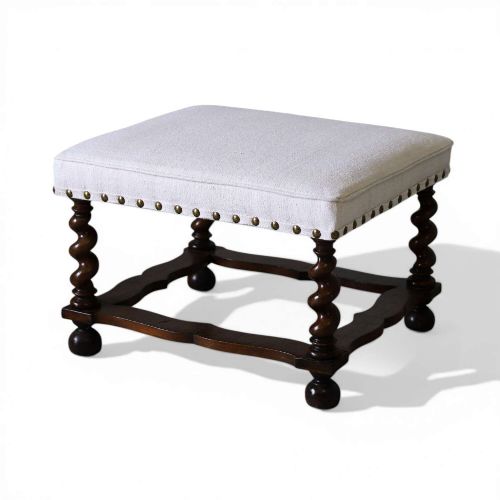
- Carolean Revival
- A nineteenth-century style reviving late seventeenth-century ornamentation, characterised by elaborate scrollwork, twisted legs, and deep carved relief.
- Jacobean Revival
- A nineteenth-century design movement mimicking early seventeenth-century English furniture through heavy proportions, straight lines, and geometric panels.
- Art Deco
- A twentieth-century design style prominent in the 1920s and 1930s, featuring streamlined forms, geometric shapes, and smooth surfaces.
- Limed oak
- A finishing technique applied to oak timber that leaves a whitish pigment in the open grain, creating a pale, textured surface.
- Needlepoint tapestry
- A form of canvas work embroidery traditionally used to create durable, decorative seat covers with intricate pictorial or geometric patterns.
Oak Dressing Stool: Frequently Asked Questions
What is an oak dressing stool used for?
These pieces function primarily as seating at a dressing table or vanity. They also serve as piano benches, fireside stools, or general footstools.
Some variants include internal storage beneath a lift-up lid for small items.
How do I date an oak dressing stool?
Dating relies on stylistic markers, construction methods, and materials recorded in the evidence. Pieces span the nineteenth century up to the 1930s.
Revival styles reflect nineteenth-century interpretations, while drum shapes and streamlined frames point toward the 1920s and 1930s Art Deco period.
Are these stools comfortable for daily use?
Most examples feature padded upholstered tops covered in velvet, tapestry, or woven fabric. The inclusion of cushioning provides standard seating comfort.
Upholstered surfaces can be re-covered in modern or period-appropriate textiles to suit domestic interiors.
What styles are available?
The listings show Carolean Revival, Jacobean Revival, and 1930s Art Deco aesthetics. Carved wooden details define the revival pieces.
Art Deco examples emphasise smooth lines, drum shapes, and integrated storage compartments.