


Volkstedt Porcelain Figure
These volkstedt porcelain figure selections span the nineteenth century and the early twentieth century, offering graceful allegorical forms and decorative table ornaments for the home.
Volkstedt Porcelain Figure
A volkstedt porcelain figure captures the sculptural ambitions of German kilns across the nineteenth century and into the twentieth century, taking the form of figurines, candlesticks, and sweetmeat dishes. Buyers exploring this phrase encounter pieces shaped during the Victorian era, alongside later interpretations stretching into the nineteen-twenties and nineteen-thirties.
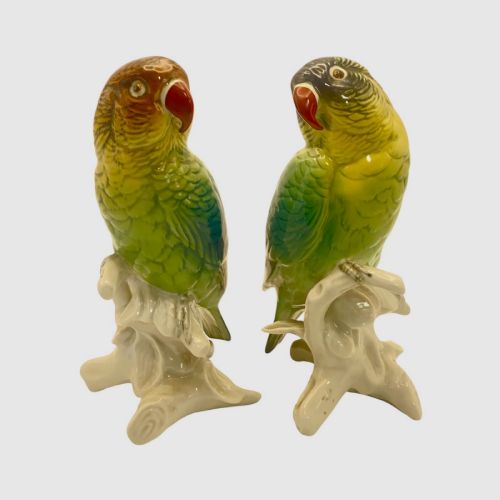
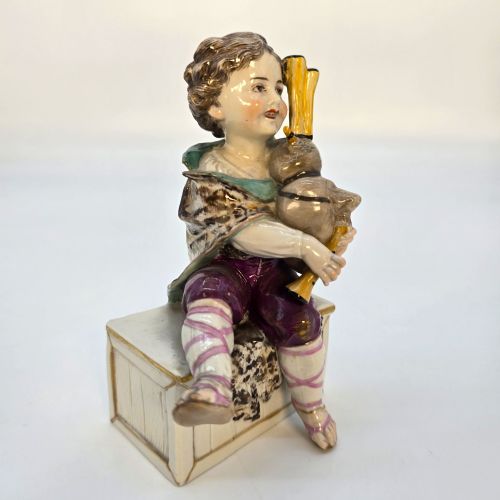
The objects span diverse decorative themes, from allegorical representations of seasons and the arts to playful groupings of parrots, musicians, and young gallants. Stylistic influences shift from rococo revival and neo-rococo curves to German art porcelain and art deco designs.
How they were made
Makers utilised hard-paste porcelain and glazed porcelain bodies, occasionally employing parian biscuit for unglazed matte effects that highlighted sculptural detail. Artisans shaped these forms by hand before applying detailed enamel colours.
Surface ornamentation frequently incorporated gold leaf and gilt accents to enrich the moulded drapery and bases of the figures. Selected works also integrated materials such as glass and brass in associated components like lamps.
Listings demonstrate forms spanning the nineteenth century, nineteen-twenty, and nineteen-thirty, utilising hard-paste porcelain, enamel, and gold leaf.
What varies in quality
The refinement of the moulding distinguishes the handling of facial expressions, hand gestures, and intricate drapery across different workshops. Crispness in the initial shaping dictates whether fine details remain legible beneath subsequent glazes.
The application of enamel painting and gold leaf reveals distinct tiers of craftsmanship, with delicate brushwork and rich gilding elevating the visual presence of an allegorical group or pair of candlesticks.
Karl Ens·Volkstedt Rudolstadt Factory·Triebner Ens And Eckert·Richard Eckert·Anton Buschelberger·Christian Nonne
The Volkstedt Porcelain Figure Glossary
- Hard-paste porcelain
- A durable ceramic composition fired at high temperatures, producing a dense and vitreous body. It forms the structural foundation for many German figures.
- Enamel
- Vitreous coloured glass fused to the porcelain surface through subsequent firings. It provides the permanent palette for clothing, hair, and floral details.
- Gilt
- A thin layer of gold applied to surface elements such as garment trim and candle sockets. This technique adds metallic brilliance to the finished object.
- Parian biscuit
- Unsoldered fine-grained porcelain fired to resemble marble. It yields a matte, bisque texture valued for classical portraiture and allegorical subjects.
- Sweetmeat dish
- A low vessel or basket integrated into a figural group, historically intended for small confections. These practical forms often double as decorative centerpieces.
Volkstedt Porcelain Figure: Frequently Asked Questions
How do I identify a volkstedt porcelain figure?
Examination of the base often reveals factory marks or impressed numbers corresponding to nineteenth-century and early twentieth-century German production records. Stylistic traits such as neo-rococo scrolling and detailed enamel work also point toward Thuringian manufacture.
Comparing the physical weight and the resonance of the hard-paste porcelain helps distinguish authentic period pieces from later reproductions. Specialist reference volumes cataloguing Thuringian factories provide further verification for specific modeled forms.
Where were these figures made?
Production centred on the Thuringia region in Germany, where rich local clay deposits supported a thriving porcelain industry. Factories in Volkstedt and Rudolstadt operated continuously across the Victorian period.
These regional workshops trained skilled modelers and painters who supplied both domestic markets and international collectors with elaborate tablewares and decorative ornaments.
How were sweetmeat figures used?
Sweetmeat figures served as decorative table service accessories during formal dining, holding small sugary confections or dried fruits between courses. Their elaborate figurative designs provided visual entertainment for guests.
Over time, these functional dishes transitioned into purely decorative cabinet pieces or mantel ornaments as dining fashions evolved away from large figural tableaus.