
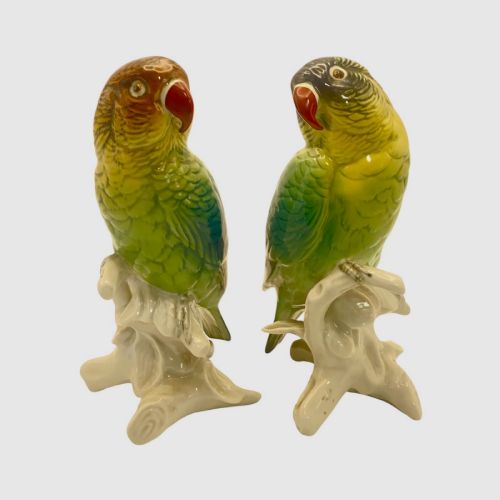
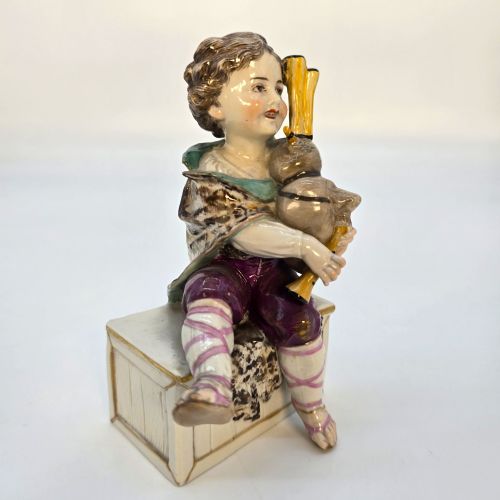


Antique Volkstedt Figurine
An antique volkstedt figurine brings the ornate charm of Thuringian porcelain into a room, offering finely modelled figures that collectors prize for their detail.
Antique Volkstedt Figurine
When you search for an antique volkstedt figurine, you enter a world of German hard-paste porcelain created in Thuringia. The pieces span the nineteenth century and the early twentieth century, taking the form of gallants, musicians, sweetmeat dishes, and allegorical subjects. Rococo revival and Victorian aesthetics dominate the earlier output, shifting toward German art porcelain and art deco in later years.
The objects on this page range from single figures and pairs to complex groups and even porcelain table lamps. You will encounter works produced by the main factory alongside pieces attributed to associated makers like Karl Ens and Triebner Ens and Eckert. Most examples showcase the detailed moulding and expressive painting typical of Thuringian kilns.
What varies in quality
Quality rests primarily on the crispness of the moulding and the delicacy of the hand-painting. Superior examples retain fine definition in facial expressions, lace elements, and fingers, whereas weaker pieces suffer from softened details due to worn moulds. The precision of the enamel work and the richness of the gilding also distinguish finer cabinet pieces from simpler productions.
The complexity of the subject matter plays a role, with multi-figure groups and elaborate sweetmeat dishes demanding greater skill than single standing figures. The preservation of applied elements, such as flowers and delicate foliage, marks the distinction between standard items and exceptional survivals.
Listings feature hard-paste porcelain, glazed surfaces, and enamel decoration across periods from the mid-nineteenth century to the 1930s.
Karl Ens·Volkstedt Rudolstadt Factory·Triebner Ens And Eckert·Anton Buschelberger·Ackermann And Fritze
The Antique Volkstedt Figurine Glossary
- Hard-paste porcelain
- A durable ceramic material composed of kaolin and petuntse, fired at very high temperatures. It forms the solid body for most nineteenth-century German figures.
- Gold leaf
- Extremely thin sheets of beaten gold applied to decorative areas for accent work. It creates the metallic highlights seen on borders and costume details.
- Sweetmeat dish
- A small ceremonial dish or bowl, often incorporated into figural groups, designed to hold confectionery or dried fruits. They frequently appear as part of paired decorative sets.
- Parian biscuit
- An unglazed, fine-grained porcelain body that resembles carved marble. It gained popularity in the latter half of the nineteenth century for portrait and allegorical works.
Antique Volkstedt Figurine: Frequently Asked Questions
What is a volkstedt figurine?
These are porcelain sculptures and decorative figures produced in the Thuringian town of Volkstedt, known for elaborate German ceramic artistry.
They depict human figures, allegorical scenes, and animals, often reflecting rococo revival styles of the nineteenth century.
How do I date these figures?
Dating relies on stylistic clues, paste composition, and the presence of factory marks where visible. Earlier nineteenth-century examples often lean towards neoclassical or rococo revival aesthetics.
Later pieces from the 1920s and 1930s incorporate art deco influences or bear marks associated with specific master modellers.
Where were they made?
Production took place in Thuringia, Germany, a historic centre for European porcelain manufacture. The Volkstedt factory and surrounding workshops formed part of this rich regional tradition.
Pieces often bear stamps or impressions indicating their Thuringian origins.
How should I display them?
Display these delicate porcelain objects in enclosed cabinets away from direct sunlight to protect the enamel colours and gold leaf. Ensure they rest on stable, vibration-free surfaces to prevent accidental tipping.
Keep them out of high-traffic areas where delicate applied details might catch on clothing.