


Ceramic Figure Ornament
A ceramic figure ornament brings centuries of sculptural craft into domestic spaces through modelled clay and fired glaze.
Ceramic Figure Ornament
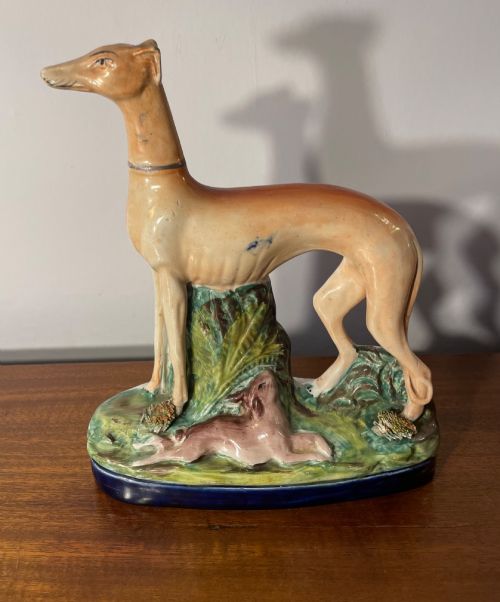
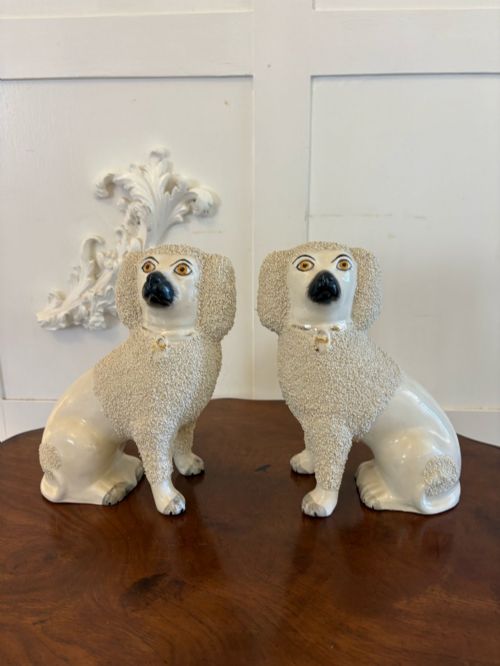
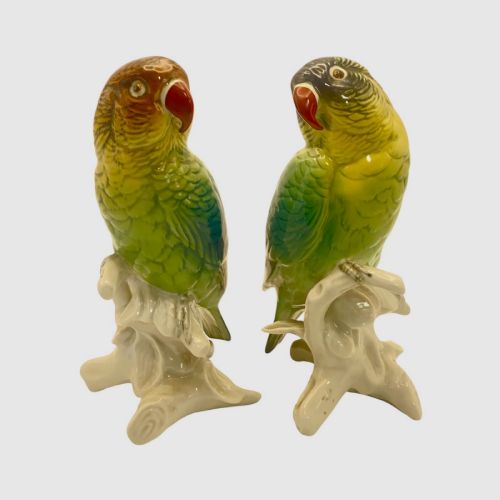
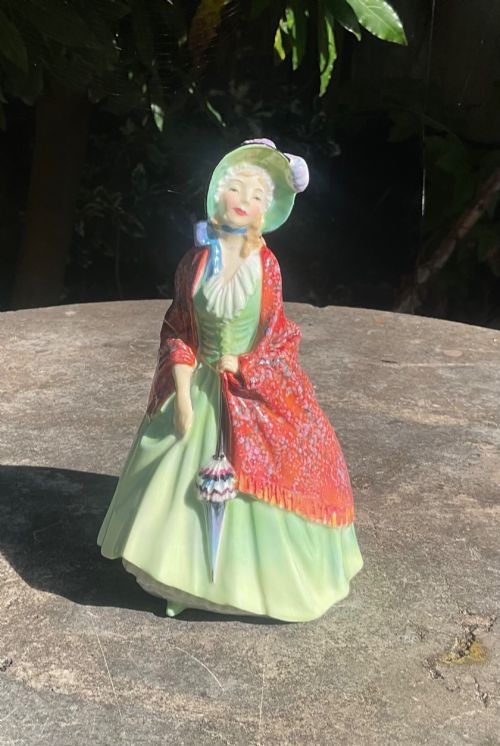
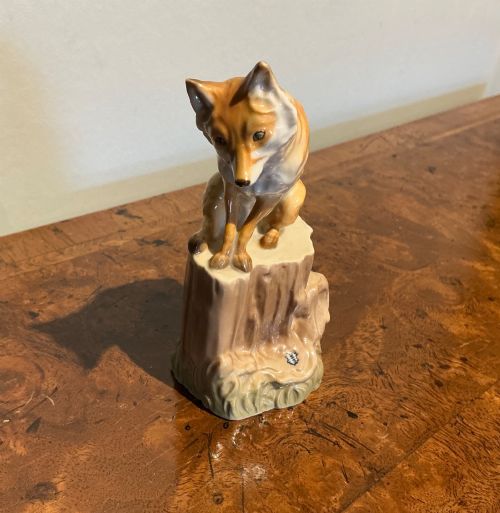
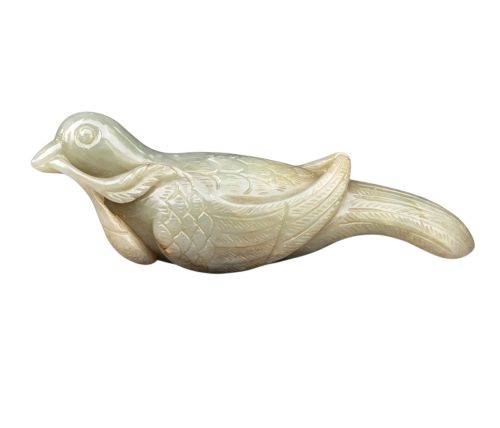
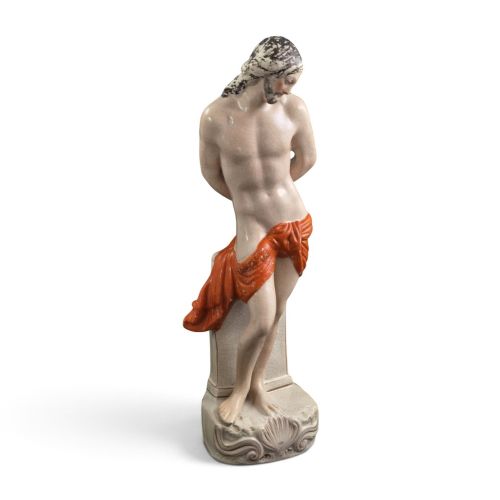
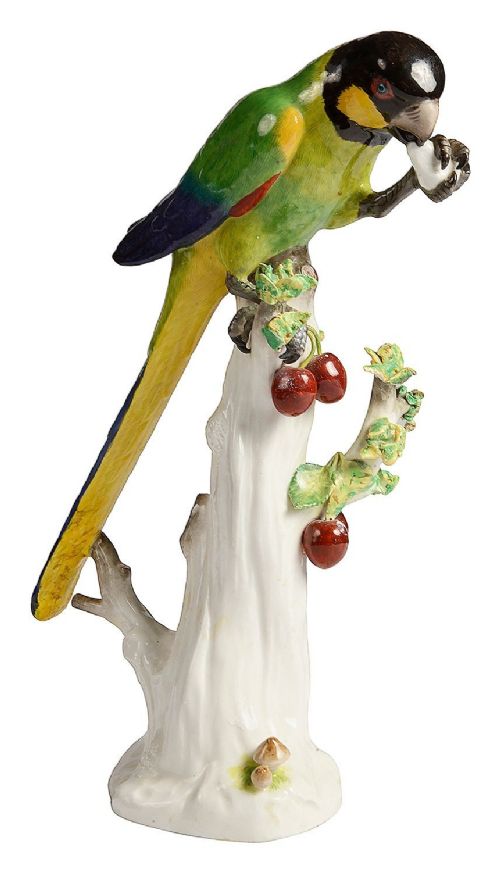
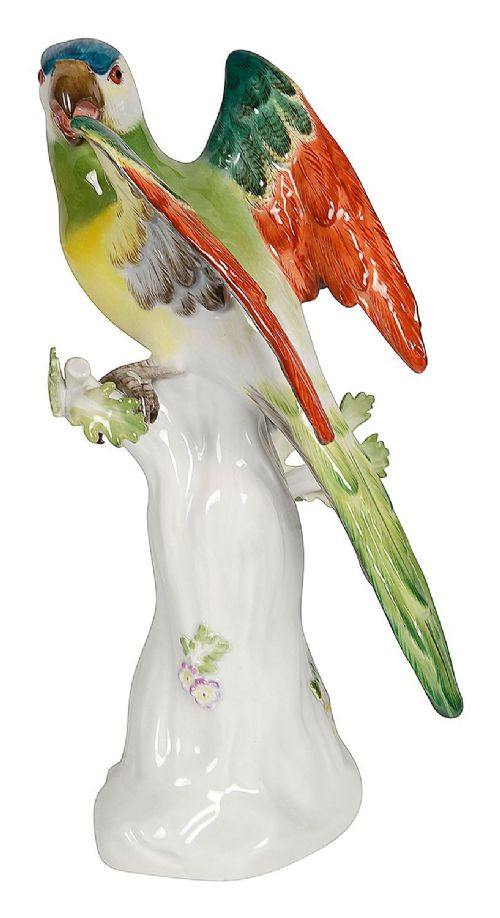
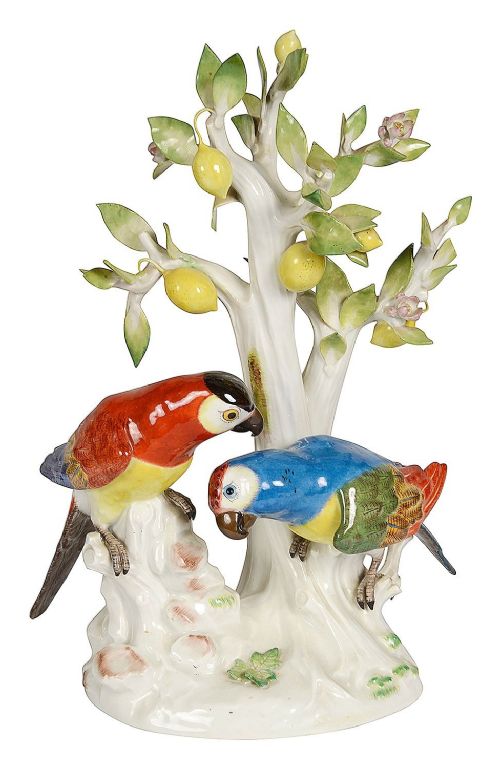
A ceramic figure ornament comprises sculpted representations of humans, animals, and mythical subjects shaped from clay and rendered in porcelain, earthenware, or bone china. Buyers exploring this category encounter a diverse array of forms, ranging from Staffordshire dogs and birds to Meissen figures and Royal Doulton character studies.
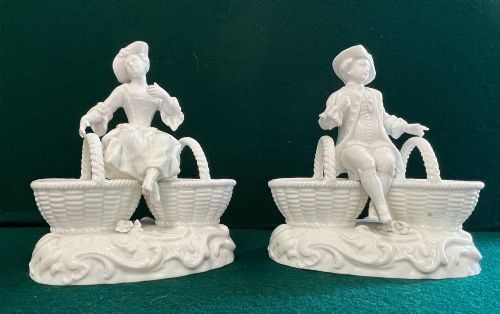
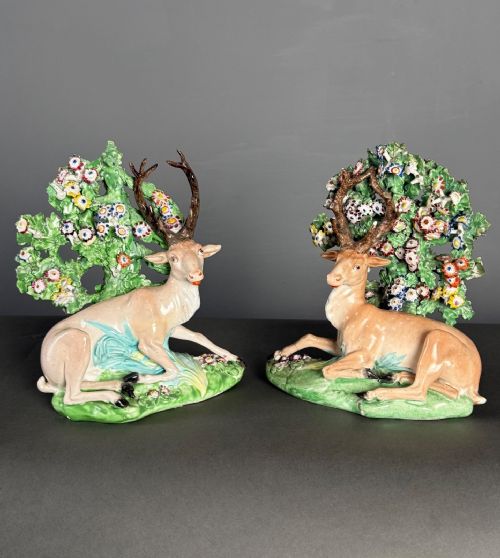
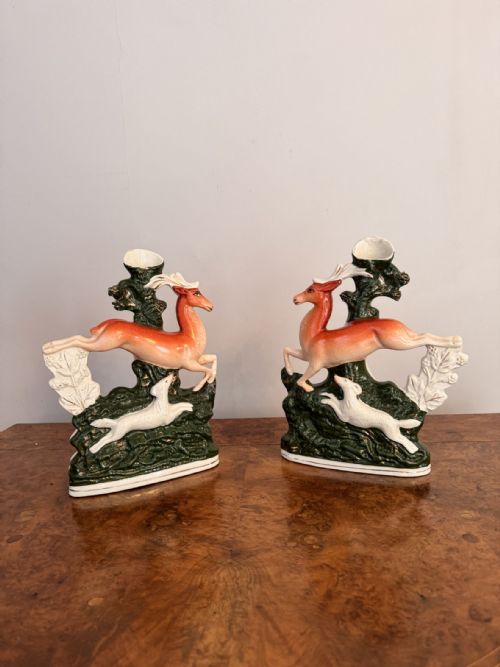
The selection spans multiple eras, with nineteenth-century Victorian Staffordshire pieces, eighteenth-century Derby animals, and twentieth-century porcelain figurines appearing frequently across the listings. Formats include matched pairs, spill vases, and single sculptural groups created for decorative display.
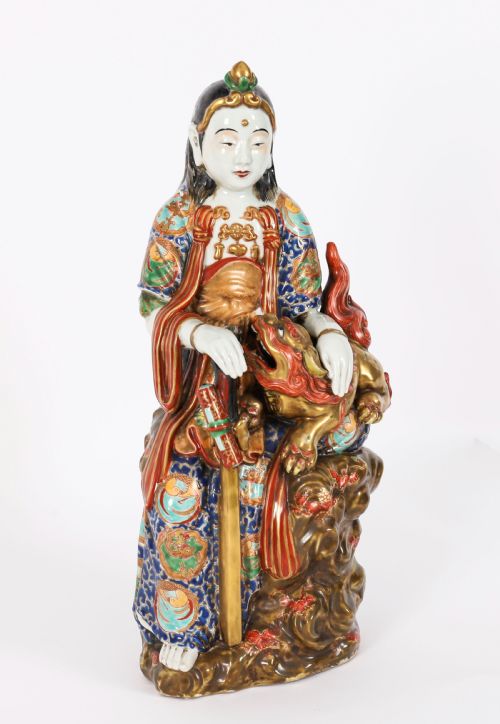
Makers from European potteries and Asian kilns contribute distinct regional characteristics to the selection, utilising glazes and enamels to define surface details. These objects reflect the prevailing aesthetic tastes of their respective periods, from Rococo Revival curves to Art Deco simplification.
Materials and Construction
Potters and sculptors utilised earthenware, porcelain, and bone china, shaping the clay by hand or casting the material in moulds before applying glazes and enamel colours. Hard paste and soft paste porcelain require precise kiln temperatures to fuse the vitreous body with the decorative pigments.
Surface enhancement often involved the application of gold leaf accents and detailed hand-painting over the fired glaze. Earthenware figures received tin or lead-based glazes to seal the porous body, while high-fired porcelain developed a translucent finish intrinsic to factories such as Meissen and Derby.
Stiff Staffordshire whippets and recumbent stags maintain a steadfast vigil over mantelpieces without ever chasing a single rabbit.
Factors of Quality and Execution
The sophistication of the glaze application and the stability of the fired body separate standard commercial items from superior sculptural works. Original matched pairs and pieces retaining early factory marks demonstrate higher artistic intent and careful workshop execution.
Karl Ens·Royal Doulton·Royal Worcester·Meissen
The Ceramic Figure Ornament Glossary
- Earthenware
- Porous pottery fired at lower temperatures, commonly coated with an opaque tin glaze or transparent lead glaze.
- Bone China
- A type of porcelain incorporating bone ash, yielding a durable body with high whiteness and translucency.
- Spill Vase
- A hollow vertical ceramic vessel incorporated into a figure group, designed to hold taper spills for lighting fires.
- Flatback
- A Staffordshire figure style moulded with a finished front and a flat, unpainted reverse intended for placement against a wall.
- Enamel
- Vitreous pigments applied over the fired glaze and subjected to a lower second firing to fix the colours.
- Hard Paste
- A dense, durable porcelain composition fired at high temperatures using kaolin and petuntse.
Ceramic Figure Ornament: Frequently Asked Questions
What are ceramic figure ornaments?
These pieces are three-dimensional sculptural objects shaped from clay, porcelain, or earthenware and fired to create lasting decorative representations of humans, animals, and historical subjects.
They encompass everything from utilitarian spill vases and door stops to finely detailed porcelain cabinet sculptures produced across European and Asian workshops.
How were antique figures used?
Owners placed these ornaments on mantelpieces, sideboards, and occasional tables to display refinement and personal taste within domestic interiors.
Certain forms served practical secondary purposes, such as holding wooden spills for lighting candles or anchoring doors in heavy drafts.
How do I care for my ornament?
Maintaining ceramic and porcelain figures requires gentle dusting with a soft, dry brush to prevent the accumulation of particles in delicate crevices and painted details.
Water and liquid cleaning agents should be avoided, particularly on nineteenth-century earthenware and pieces with vulnerable enamel decorations or gold leaf.
How do I distinguish different periods?
Differentiating eras involves examining the paste composition, glaze characteristics, and the style of the modelling under natural light.
Underglaze factory marks, painted numerals, and characteristic palette choices provide further guidance when comparing Victorian, eighteenth-century, and twentieth-century examples.