


19th Century Porcelain Boy
These 19th century porcelain boy figures bring character to a room, ranging from German factory pieces to French inkwells.
19th Century Porcelain Boy
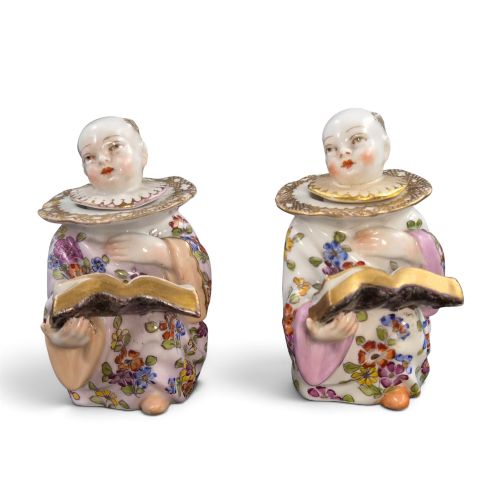
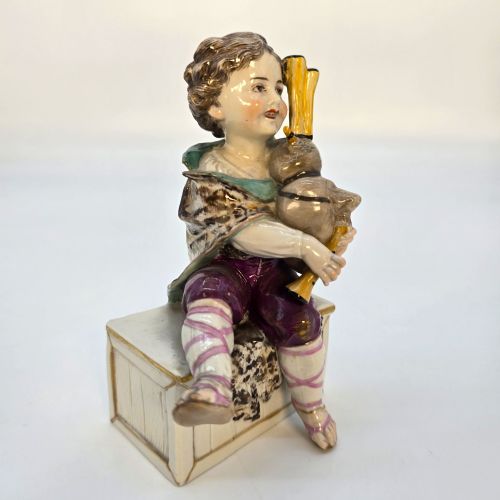
When you search for 19th century porcelain boy, you encounter figures, figural inkwells, and plaques depicting children from various European factories. The selection frequently includes German and French examples, capturing subjects like harvesters, skaters, and young boys with birds.
Object types vary from standalone figurines to pairs of fisher folk and decorative plaques showing boys eating fruit. These pieces span the Victorian era, showing influences of Rococo Revival, Chinoiserie, and French Empire styles.
Materials and Manufacture
Larger objects combine porcelain plaques with materials such as amboyna and giltwood, particularly in furniture and decorative mountings. Factories utilised specialised moulding and firing techniques to achieve durable glazed and unglazed surfaces.
Several Victorian boys are caught mid-nap or mid-skate, proving that children avoided honest labour whenever possible.
Evaluating Quality
The reputation of the maker also dictates distinction, with established factories achieving superior crispness in form and glaze consistency. Larger dimensions and intact pairs further separate ordinary items from notable works.
Edmé Samson·Volkstedt Rudolstadt Factory·C. G. Schierholz·Niderviller·Sitzendorf·Helena Wolfsohn·KPM·Royal Berlin
The 19th Century Porcelain Boy Glossary
- Bisque porcelain
- Unglazed porcelain with a matte, marble-like texture. It is frequently used for figures to show fine anatomical detail.
- Hard-paste porcelain
- A durable ceramic composition fired at high temperatures. It originated in China and was later replicated in European factories.
- Parian porcelain
- A fine-grained bisque porcelain resembling marble. It was developed in the nineteenth century for sculptural figures.
- Figurine
- A small carved or moulded statuette representing a human or animal. In these listings, they portray boys, harvesters, and children.
19th Century Porcelain Boy: Frequently Asked Questions
How do I clean a porcelain figure?
Dust the surface gently with a soft, dry brush to remove particles without disturbing delicate painted details or gold leaf.
Avoid using harsh chemical cleaners or submerging antique pieces in water, as moisture can damage unglazed bisque and old adhesives.
Where were these figures made?
The pieces originate primarily from European centres of ceramic production, notably across Germany and France.
Prominent factories in towns like Plaue, Volkstedt, and Sitzendorf produced many of the figurine types found in this selection.
Are these figures fragile?
Porcelain and ceramic materials are inherently brittle and susceptible to chipping if struck or dropped.
Display them on stable surfaces away from high-traffic areas to protect projecting elements like fingers, hats, and bird accessories.
How can I date a piece?
Dating relies on factory marks stamped or painted on the base, stylistic clues such as Rococo Revival curves, and the specific type of porcelain used.
Comparative study of archive pieces and known factory operational periods helps narrow down the decade of manufacture.