

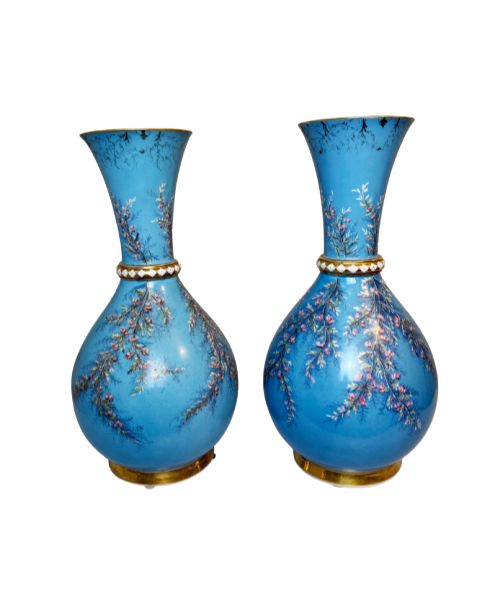
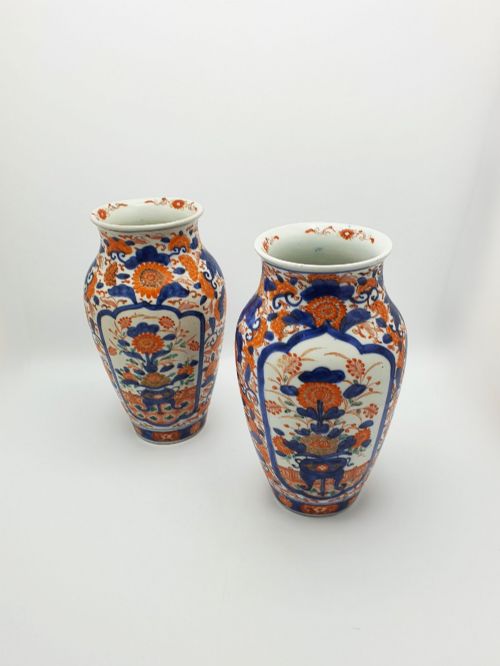
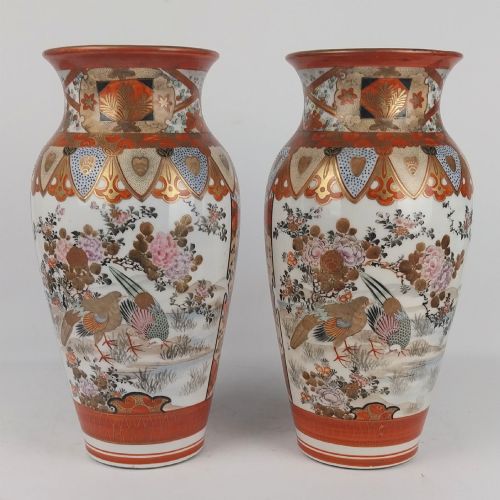
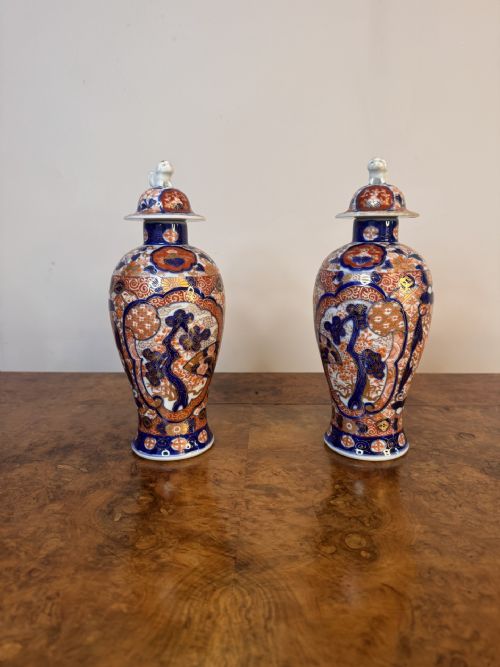

Pair of Porcelain Urns
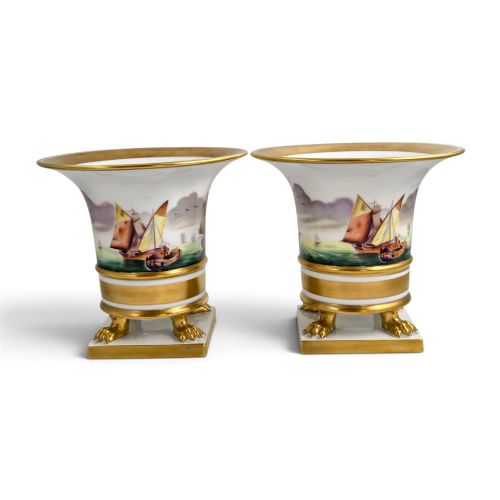
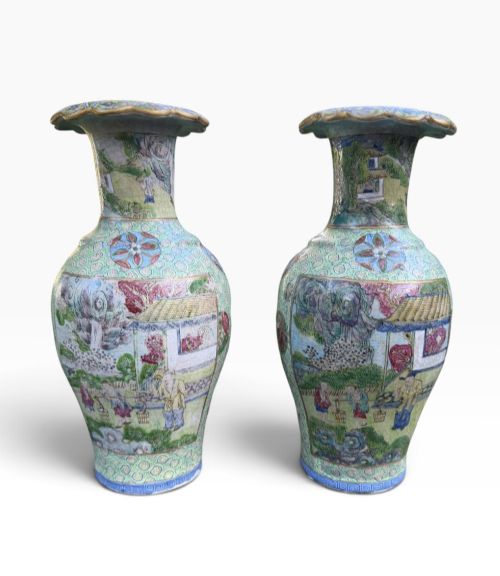
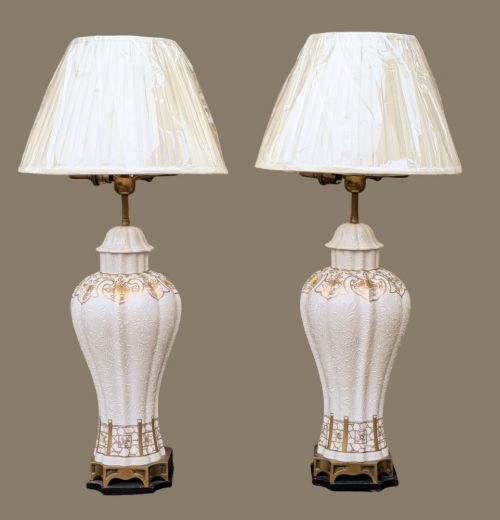
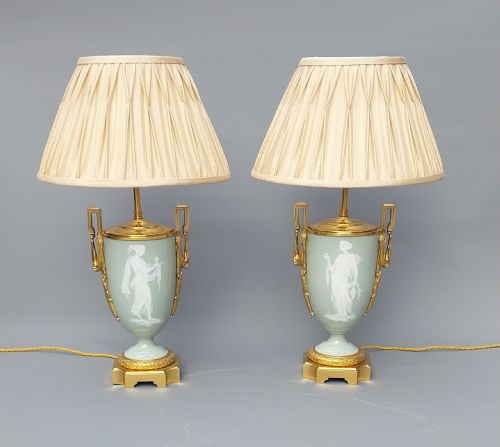
A pair of porcelain urns brings symmetry and classical form to a room, drawing the eye with balanced shape and painted detail.

Pair of Porcelain Urns
A pair of porcelain urns represents matching decorative vessels designed for symmetry and display, originating from various European and Asian traditions. Buyers searching for this phrase encounter items spanning the Georgian, Regency, Victorian, and Edwardian eras, with a strong presence of nineteenth-century French and English works.
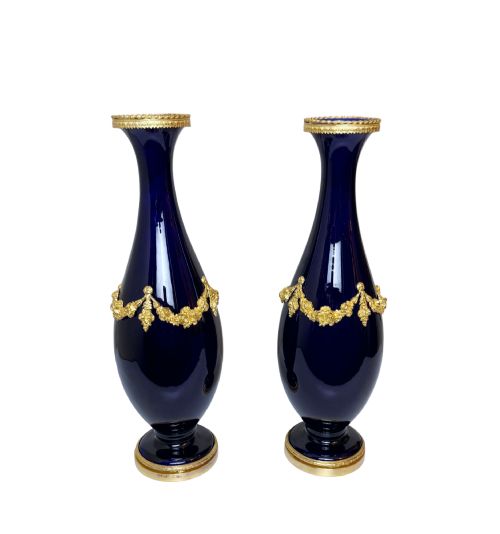
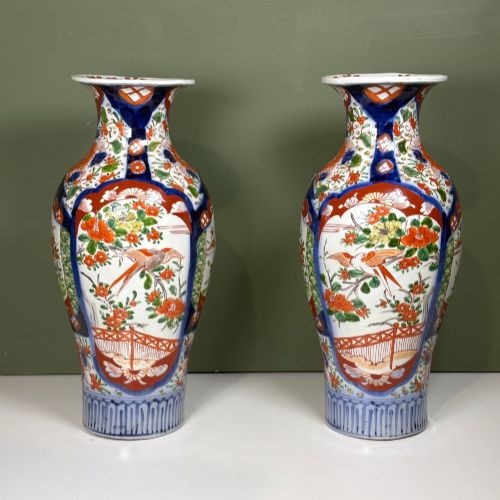
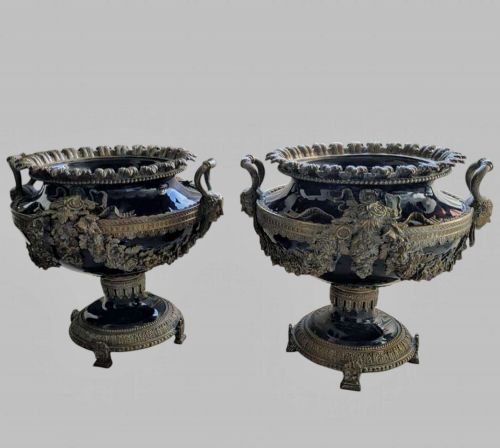
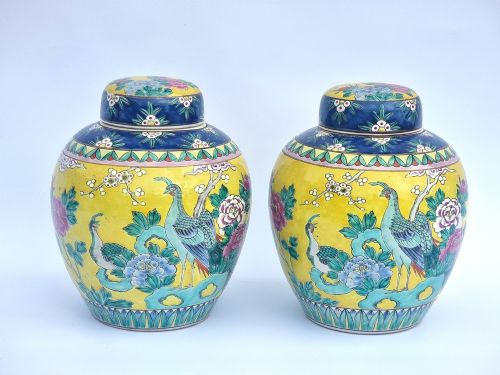
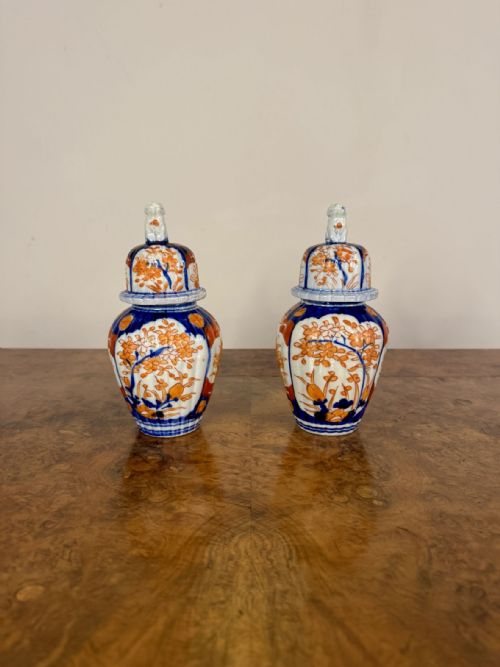
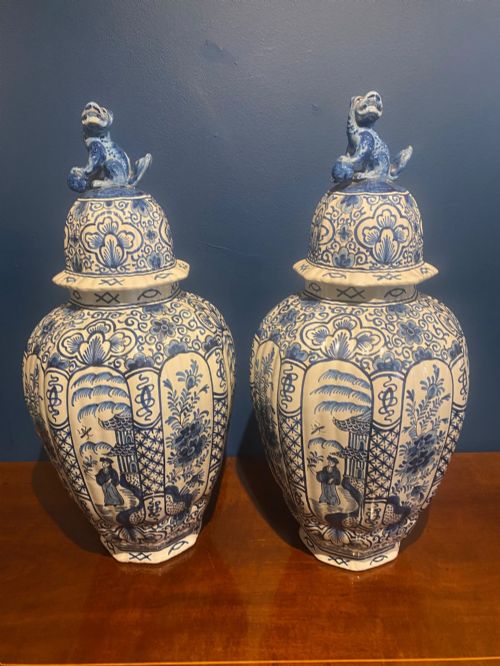
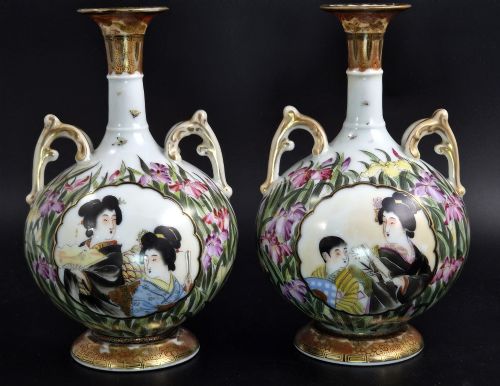
The selections on this page range from classical campana shapes and lidded jars to jardinieres and table lamps converted from earlier vessels. Alongside European factory pieces, Japanese Satsuma and Chinese blue and white ceramics appear frequently in matching sets.
Form follows function across these examples, moving from grand floor vases and palace jars down to cabinet pieces and table ornaments. The grouping relies on matching scale, palette, and decorative scheme to create a deliberate visual pair.
How they were made
Makers shaped these vessels from ceramic bodies including soft-paste porcelain, hard-paste porcelain, ironstone, and earthenware, often applying hand-painted floral or figural scenes. Cobalt blue, famille verte enamels, and blush ivory grounds provide the primary colour foundations across the periods.
Metal mounts in gilt bronze, ormolu, and brass frequently secure the bases, rims, and handles of French and English pieces. Artisans also utilised gold leaf and lustre glazes to highlight moulded details, handles, and borders.
Pair of Porcelain Urns Retail Price Guide 2026
Typical asking prices for pair of porcelain urns among the pieces listed under this phrase on Sellingantiques today, from the lower quarter to the upper quarter. They describe what is for sale here now, not the wider market.
What varies in quality
The standard of painting on the ceramic body separates standard production from exceptional works, with finely detailed brushwork and hand-applied enamels marking the higher end. The crispness of moulding on handles and applied decoration reveals the skill involved in the initial forming of the piece.
The integration and chasing of metal mounts determine the refinement of mounted wares, where tight fitting brass or ormolu elevates the overall design. Consistency between the two individual vessels in a set ensures the harmony expected from a true matching pair.
Flight Barr And Barr·Jacob Petit·Sitzendorf·Sceaux Faience·Wedgwood·Spode·Mason·Vienna Porcelain·Samson Paris·Shelley·Hicks And Meigh·Helena Wolfsohn·Chamberlain Worcester·Royal Worcester·Ridgeways
The Pair of Porcelain Urns Glossary
- Campana
- A bell-shaped vessel with a flared rim and foot, commonly utilised for classical urns and vases. This silhouette originates from ancient pottery forms.
- Ormolu
- Gilded bronze mounts applied to the base, handles, or rim of ceramic vessels. French makers used this technique extensively during the nineteenth century.
- Cassolette
- A decorative vessel shaped like an urn, often featuring a reversible lid that functions as a burner or a solid cover. These pieces frequently incorporate metal mounts.
- Imari
- A style of Japanese export ceramics featuring a palette of iron red, cobalt blue, and gold. English and European factories subsequently copied these decorative patterns.
- Lustre
- A metallic glaze applied to pottery that creates an iridescent sheen upon firing. This technique produces shifting colour effects across the surface of the vessel.
Pair of Porcelain Urns: Frequently Asked Questions
What were porcelain urns used for?
These vessels served primarily as decorative ornaments on mantelpieces, sideboards, and pedestals, adding symmetry to formal rooms. Some variations included removable lids or functioned as cassolettes for diffusing scents.
Larger examples stood on floors or served as palace jars, while smaller pairs accented cabinet displays. Over time, many found new utility as table lamps through careful electrical conversion.
How do I identify nineteenth-century pieces?
Nineteenth-century pieces often display factory marks, hand-written pattern numbers, or impressed stamps on the unglazed base. Stylistic clues such as Rococo Revival curves or neoclassical bronze mounts help narrow down the decade of production.
Examining the wear on the base and the consistency of the hand-painted details provides further context regarding the age of the ceramic body.
How do I care for antique porcelain?
Dust these vessels gently with a dry, soft brush or microfiber cloth to prevent accumulation on painted surfaces and gilt mounts. Avoid using chemical cleaners or submerging mounted pieces in water, as moisture can damage adhesives and metal fittings.
Keep paired urns out of direct sunlight to protect enamel colours and prevent fading on delicate painted floral or figural scenes.
How do Japanese and European styles differ?
Japanese pieces like Satsuma and Imari feature intricate hand-painted compositions of flora, landscapes, and figures set against crackle-glaze or iron red grounds. European works from factories like Sevres or Worcester lean towards neoclassical symmetry, gilt bronze mounts, and pastoral scenes.
While European makers sometimes imitated Asian designs, the paste composition, weight, and potting technique remain distinct to each regional tradition.