

Floral Painted Ceramic Jug
A floral painted ceramic jug brings bright botanical colour to a table, combining hand-decorated floral motifs with practical earthenware or porcelain forms.
Floral Painted Ceramic Jug
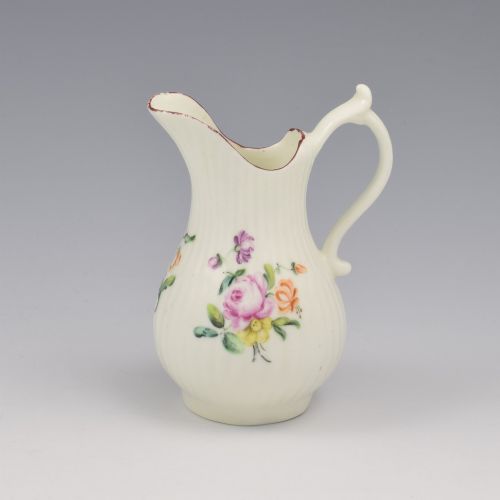
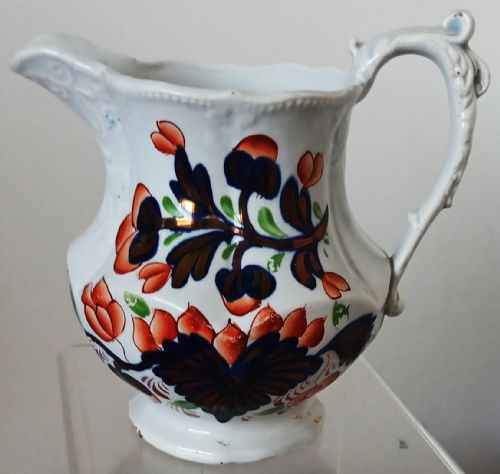
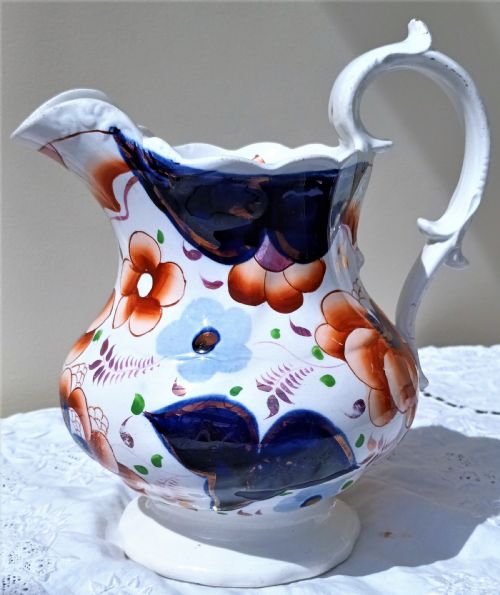
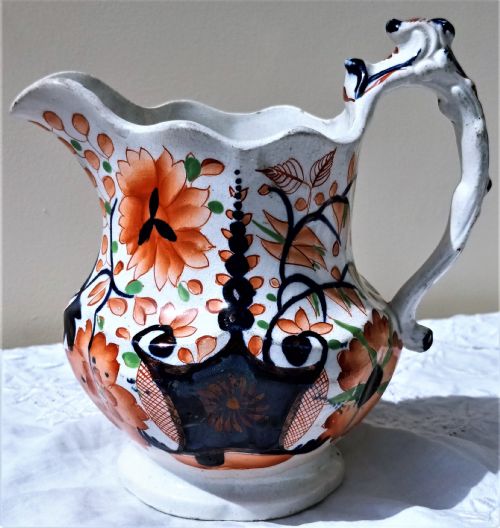
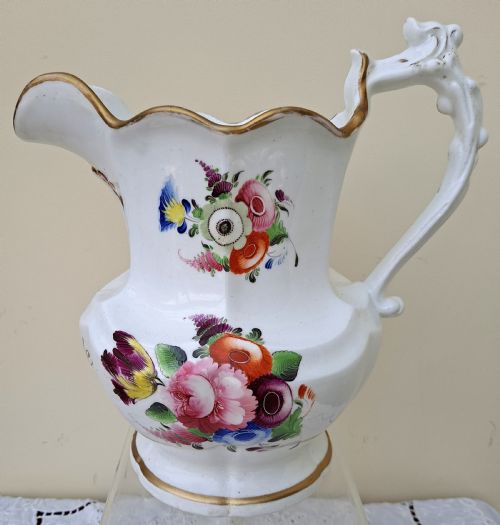
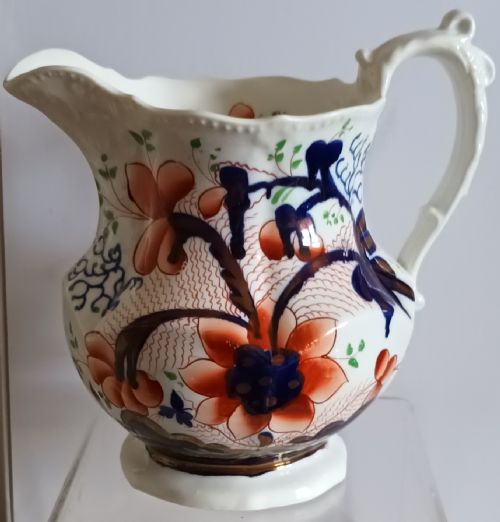
When you search for a floral painted ceramic jug, you encounter a variety of forms ranging from eighteenth-century cream jugs and nineteenth-century Staffordshire and Gaudy Welsh pitchers to late Victorian ewers. These pieces combine utilitarian kitchen and table vessels with hand-decorated botanical patterns.
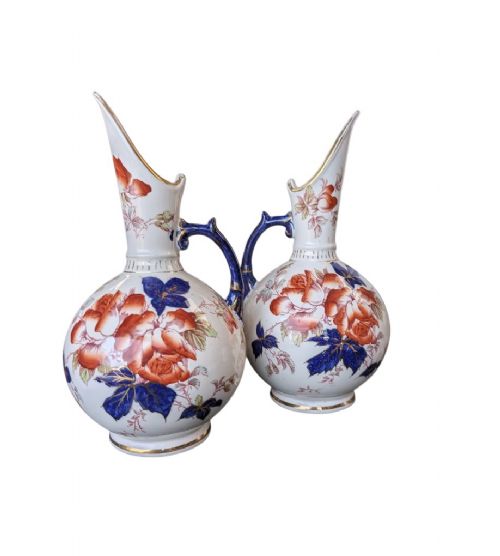
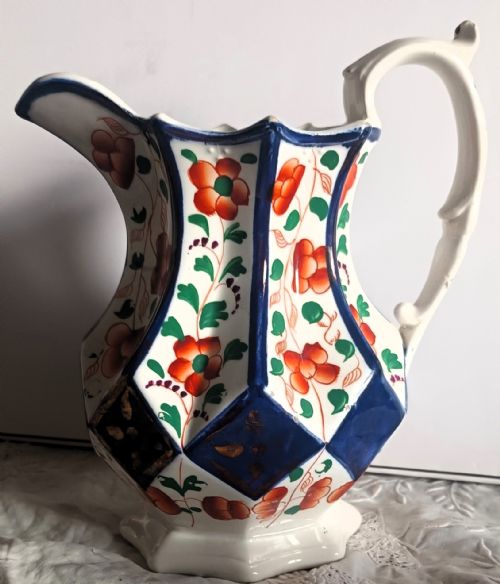
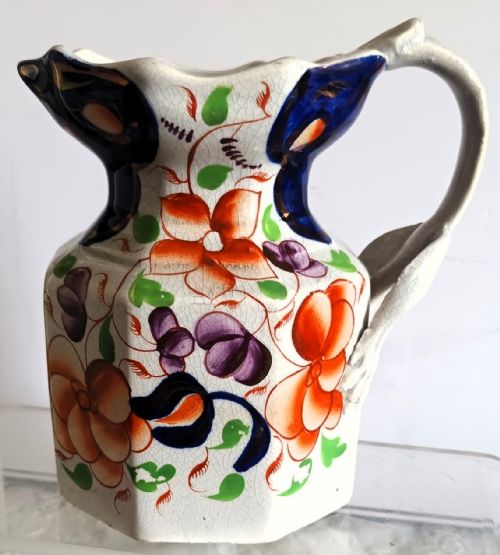
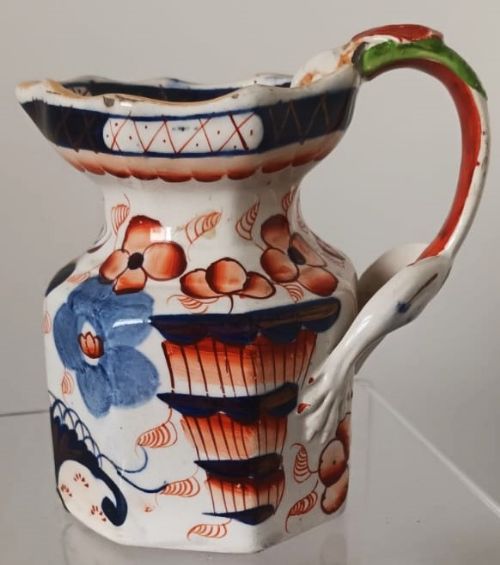
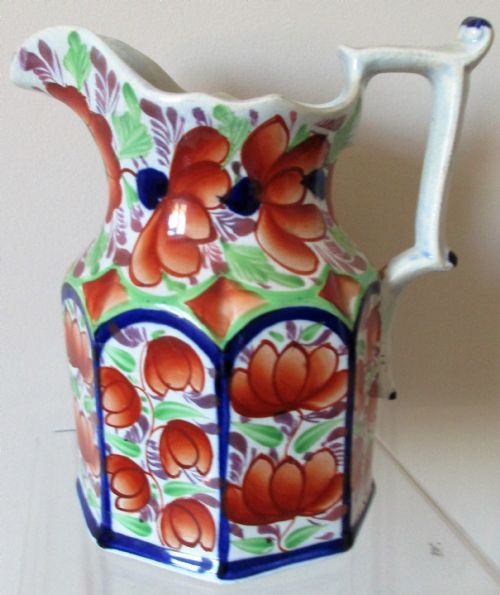
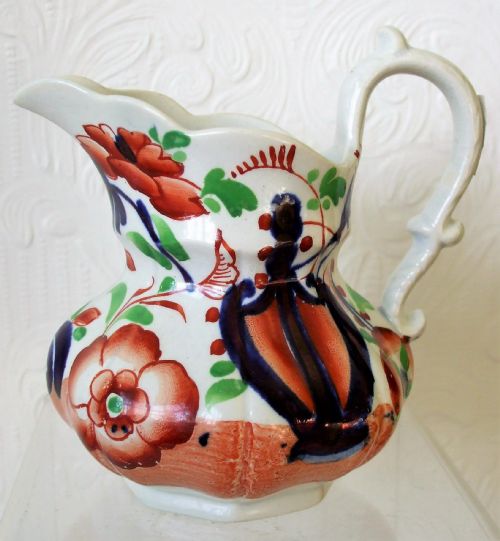
The most common examples on this page are nineteenth-century Gaudy Welsh pottery jugs featuring named patterns like Grape, Drape, Pagoda, and Harlech. Alongside these earthenware pieces, you find porcelain cream jugs from eighteenth-century makers and decorative Royal Worcester ewers from the late nineteenth century.
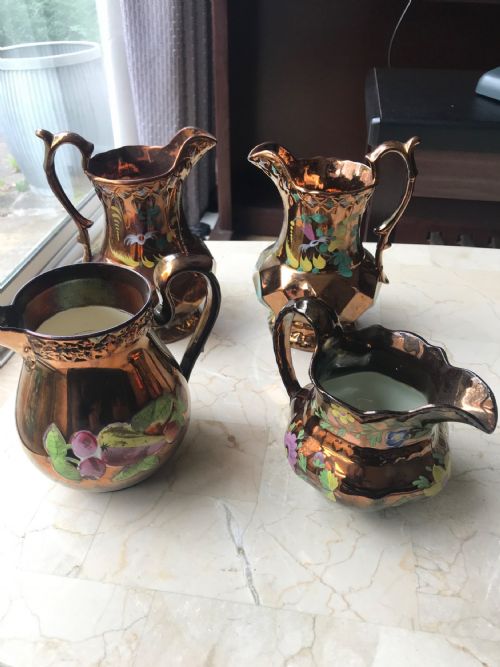
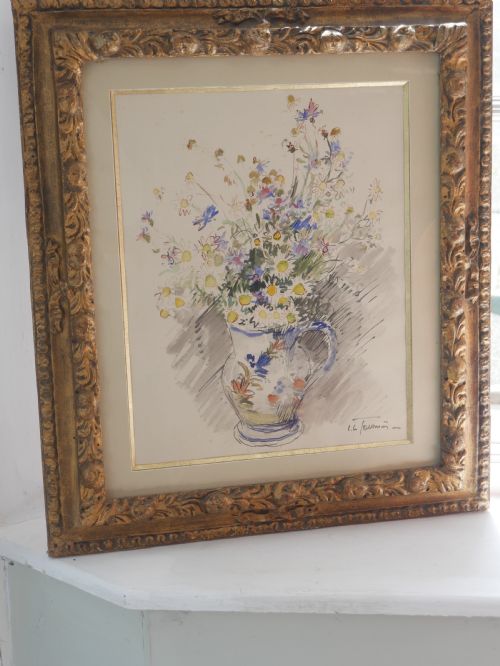
The selection also spans different decorative traditions, including tin-glazed Delftware, copper lustre accents, and Japanese Imari influences. Alongside ceramic vessels, the listings include oil and watercolour paintings depicting floral jugs and vases of summer flowers.
How They Were Made
Potters shaped these vessels using earthenware, porcelain, and pearlware, often employing cabbage leaf moulding or fluted baluster designs to give the clay texture before firing. Tin-glazing and rich enamel colours provided the base for the hand-painted floral decorations applied across these centuries.
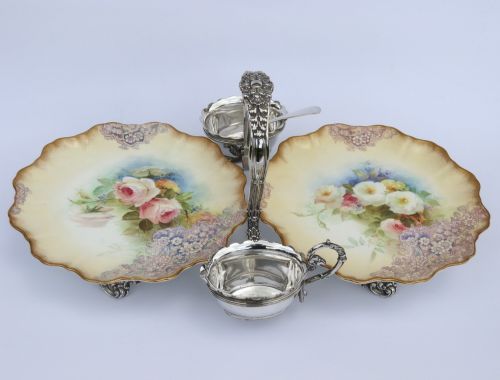
Makers finished many of these pieces with gilt highlights, gold leaf, and copper lustre to catch the light around the painted panels. Delicate brushwork brought floral patterns, fruit, and summer flowers to life on porcelain cream jugs and large decorative ewers alike.
Some floral jugs feature plump cabbage leaf moulding designed to make a morning splash of milk feel like a harvest festival.
What Varies in Quality
The distinction between standard domestic ware and top-tier pieces lies in the precision of the hand-painting and the fineness of the ceramic body. Early porcelain and finely potted Royal Worcester display crisper moulding, more delicate brushwork, and superior glaze clarity than mass-produced kitchenware.
Artistic execution drives the value of the decoration, whether in the vibrant enamel work of Gaudy Welsh patterns or the meticulous floral detailing on blush ivory ewers. Well-preserved gilding and crisp, undamaged hand-painted panels elevate a piece above simpler utilitarian jugs.
Royal Worcester·Doulton Burslem·John Rose Coalport·Charlotte Rhead·Walker and Hall
The Floral Painted Ceramic Jug Glossary
- Earthenware
- Porous pottery fired at lower temperatures, commonly used for nineteenth-century jugs and pitchers. It requires a glaze to hold liquids.
- Porcelain
- A fine, vitrified ceramic material fired at high temperatures, valued for its translucency and delicate strength in cream jugs.
- Pearlware
- A refined earthenware developed in the late eighteenth century with a subtle bluish glaze tint that pooled in crevices. It bridged the gap between creamware and true porcelain.
- Ewer
- A large pitcher with a wide spout and ornate handle, historically used for pouring water rather than serving milk or cream.
- Gilding
- The application of gold leaf or powdered gold to ceramic surfaces, highlighting rims, handles, and floral panels.
Floral Painted Ceramic Jug: Frequently Asked Questions
What were floral painted ceramic jugs used for?
These vessels served various domestic purposes depending on their size and shape. Smaller examples acted as cream or milk jugs for the tea table, while larger pitchers held water or served beverages.
Ewers and decorative pitchers often functioned as ornamental display pieces or formed part of washstand sets, combining practical utility with vibrant interior decoration.
How do I care for an antique ceramic jug?
Keep delicate antique ceramics out of direct sunlight to prevent the hand-painted enamels and gilt highlights from fading over time. Dust them gently with a soft, dry cloth.
Avoid submerging pieces with old repairs or delicate gold leaf in water. Hand wash uncompromised ceramic pieces gently in lukewarm water using mild soap if cleaning is necessary.
How can I tell a Georgian jug from a Victorian one?
Georgian pieces, such as eighteenth-century cream jugs, typically feature lighter porcelain bodies with delicate sprigged moulding or refined hand-painted floral panels. They reflect the neoclassical and rococo tastes of the period.
Victorian pieces often display bolder patterns, such as Gaudy Welsh earthenware or copper lustre finishes, alongside heavier potting and more robust decorative motifs.
What is Gaudy Welsh pottery?
Gaudy Welsh pottery refers to a distinctive type of earthenware produced in the nineteenth century, characterised by bright, saturated enamel colours like cobalt blue, iron-red, and copper lustre.
These pieces feature traditional pattern names such as Pagoda, Harlech, and Grape, designed to appeal to Welsh households with their vibrant and cheerful aesthetic.