


Brown Glazed Stoneware
Brown glazed stoneware pieces span dense utility and decorative arts from the eighteenth century through to the twentieth century.
Brown Glazed Stoneware
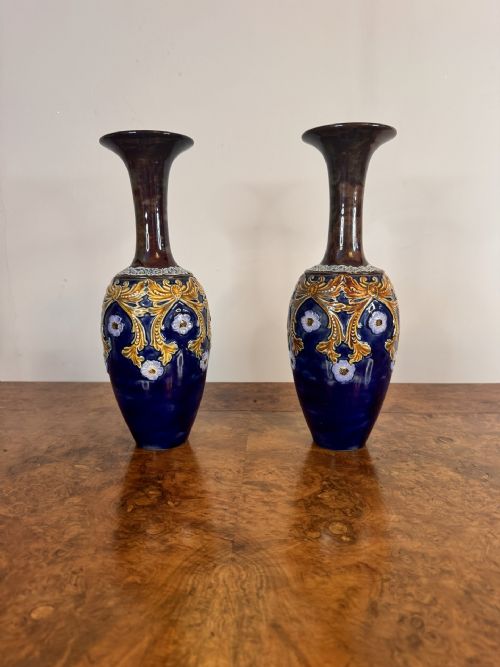
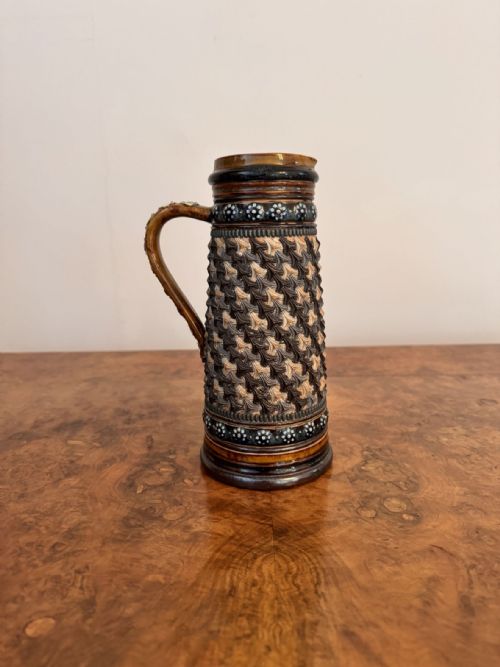
Brown glazed stoneware encompasses utilitarian vessels and decorative objects created across the nineteenth and twentieth centuries, with a strong representation of British studio and factory output. When exploring brown glazed stoneware, buyers encounter robust jugs, ewers, planters, and vases created for domestic and public use. The most common examples meeting this search phrase are nineteenth-century jugs and vessels carrying the rich salt glazes and earthy tones characteristic of Doulton potteries.
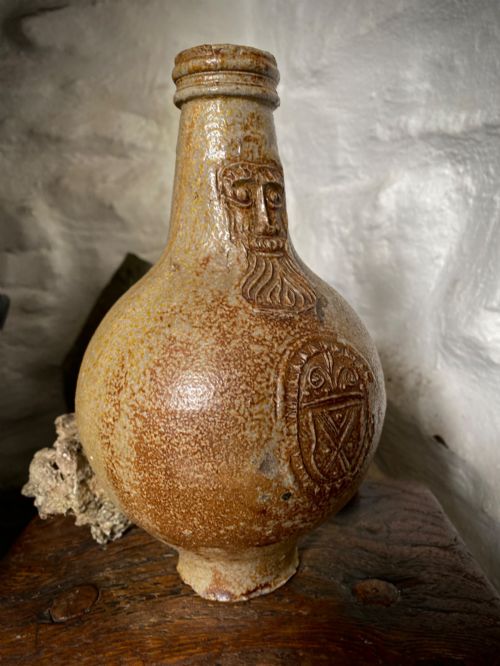
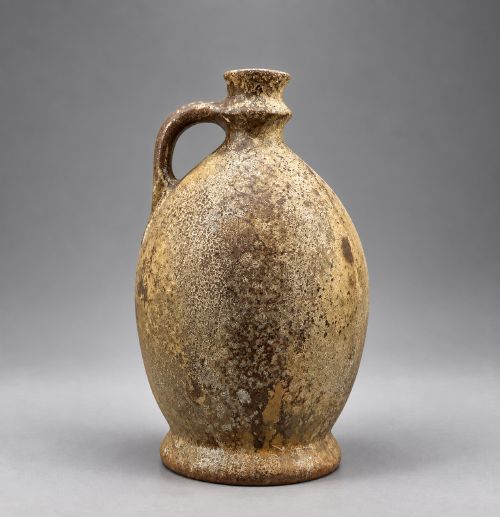
Objects range from simple German wine bottles and advertising flasks to elaborate Arts and Crafts jardinières and Victorian harvest jugs. Many pieces combine functional industrial strength with decorative modelling, such as applied figures, incised foliage, or silver collars and hinged lids. These items reflect a period when dense ceramic bodies met sophisticated surface treatments, producing durable pieces that survived generations of daily use.
Materials and Techniques
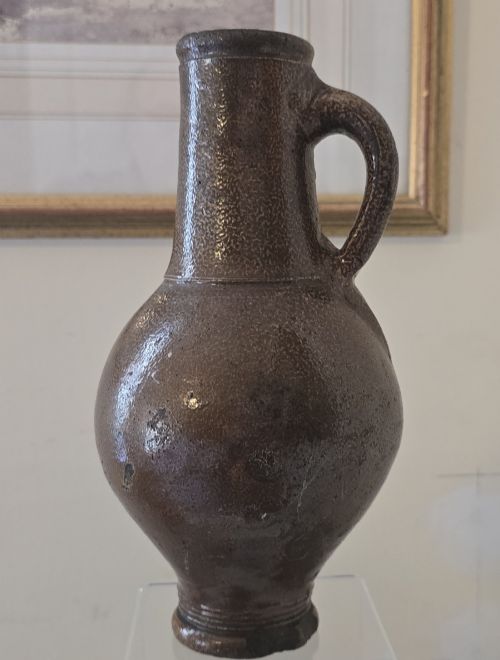
Makers utilised dense, vitrified clay bodies fired at high temperatures until impervious to liquids, ensuring durability for water vessels, ginger beer bottles, and storage jars. This heavy-duty ceramic foundation supported rich surface treatments, including salt glazing where common salt introduced during the kiln firing produced an orange-peel texture. Artisans applied slips and dark brown glazes before secondary firings to achieve deep, lustrous finishes.
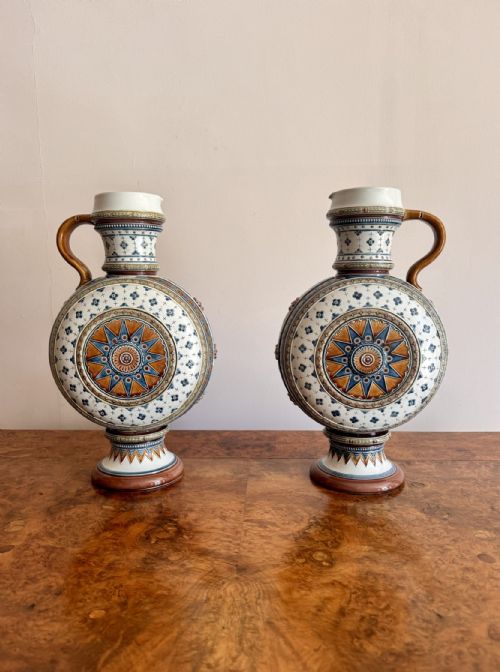
Decoration relied heavily on hand-incising, applied sprigged motifs, and sculptural modelling executed by notable studio artists. Metal mounts in sterling silver or silver plate frequently reinforced rims and hinged lids on finer harvest jugs and loving cups, uniting ceramic bodies with metalwork.
Brown Glazed Stoneware Retail Price Guide 2026
Typical asking prices for brown glazed stoneware among the pieces listed under this phrase on Sellingantiques today, from the lower quarter to the upper quarter. They describe what is for sale here now, not the wider market.
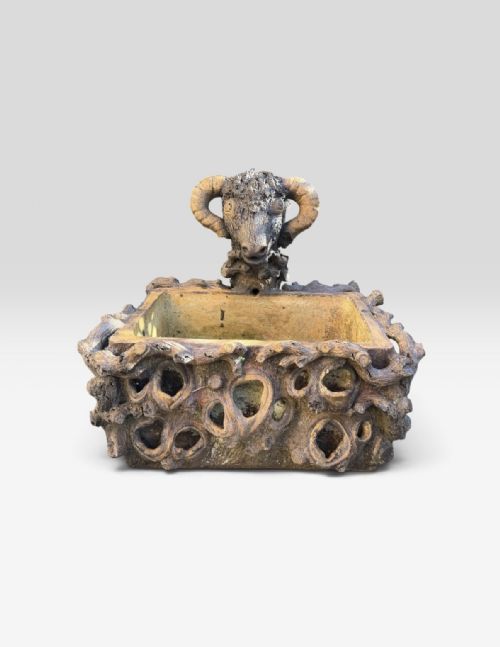
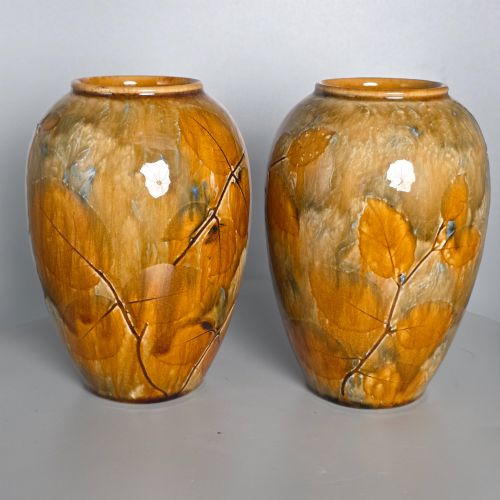
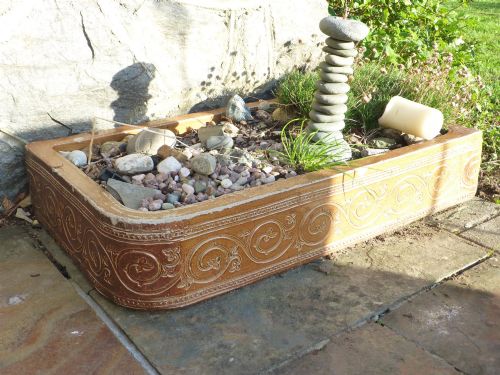
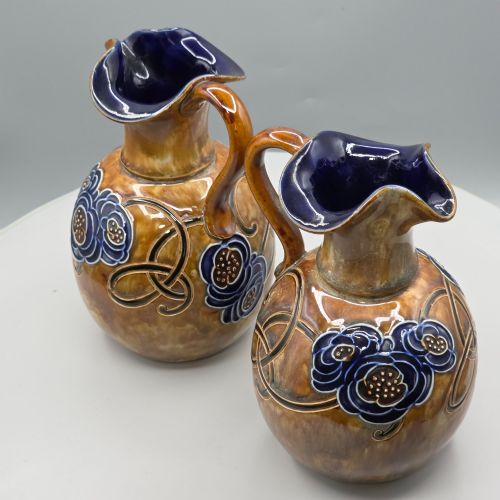
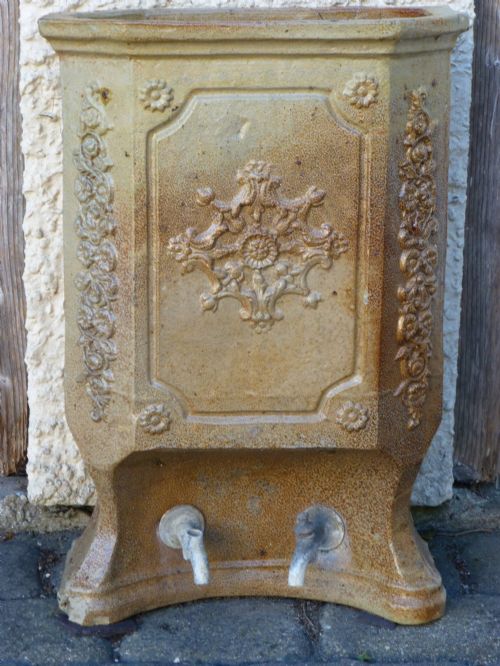
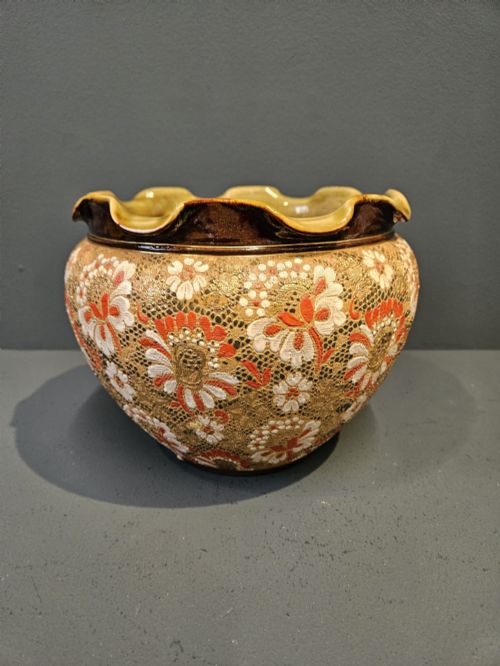
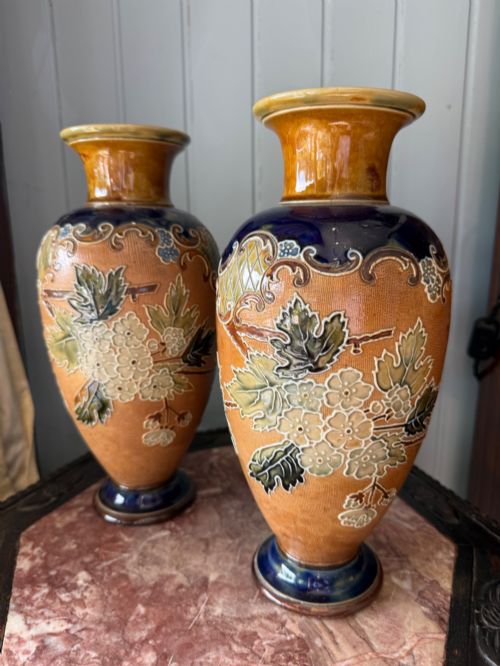
Object forms include vases, jardinieres, water filtration fountains, whisky flasks, and garden planters.
Assessing Quality and Execution
Quality in these ceramics rests on the crispness of the incised or moulded decoration and the depth of the glaze application. Finer pieces display distinct hand-tooling by recognised studio artists rather than uniform mass production, showing deliberate control over surface texture and colour shading. The integration of precious metal mounts, such as hallmarked sterling silver rims, indicates higher-tier production intended for affluent households.
Proportion and stability also separate standard utility items from exhibition pieces. Superior vessels maintain balanced weight, symmetrical throwing lines, and clean application of applied figures or foliate motifs, whereas lower-tier pieces show glaze pooling, distortion from kiln heat, or heavy-handed modelling.
Royal Doulton·Doulton Lambeth·Guichard Carriès·Mettlach Pottery·Dee Filter Company
The Brown Glazed Stoneware Glossary
- Salt glaze
- A glassy, pitted texture formed by throwing common salt into the kiln during high-temperature firing. This technique creates a durable orange-peel surface typical of traditional stoneware.
- Tyg
- A large drinking vessel featuring three or more handles designed for communal passing around a table. These multi-handled pots date back centuries and often appear in harvest settings.
- Slipware
- Pottery decorated with slip, which is a liquid clay mixture applied to the un-fired body before glazing. It produces contrasting surface patterns through trailing or dipping.
- Jardiniere
- An ornamental pot or stand designed to hold a large growing plant or floral arrangement. They frequently sit on matching pedestals in Victorian interiors.
- Sprigging
- The technique of moulding small clay reliefs separately and applying them to the surface of a vessel before firing. This adds raised decorative motifs to jugs and vases.
Brown Glazed Stoneware: Frequently Asked Questions
How were stoneware jugs used?
Stoneware jugs served heavy domestic and commercial duties, holding liquids such as ale, water, wine, and spirits in homes and taverns alike. Their dense composition kept contents cool and prevented leakage without needing interior waterproofing.
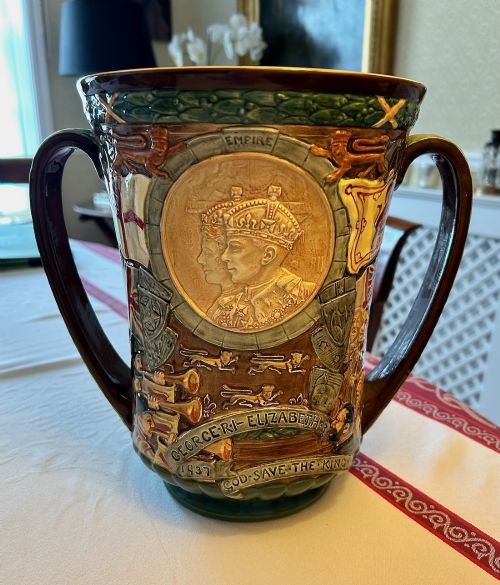
Finer decorative versions also functioned as presentation pieces or commemorative loving cups during public celebrations and royal events.
How do I clean brown glazed stoneware?
Routine dusting with a dry, soft cloth maintains the surface of glazed stoneware without disturbing historic finishes or delicate applied details. Avoid harsh chemical cleaners or abrasive scouring pads that might scratch the glaze or damage silver mounts.
Water should be used sparingly, particularly on antique pieces with unglazed clay areas or old repairs that moisture could compromise.
What is a harvest jug?
A harvest jug is a large ceramic vessel traditionally filled with ale and carried into the fields during agricultural harvest celebrations. They frequently feature detailed incised hunting scenes, farming motifs, and applied brown glazes.
Many examples include inscribed verses or celebratory toasts honouring the workers and the land.
How can I date these pieces?
Dating relies on identifying factory stamps, artist monograms, and stylistic markers associated with specific periods like the Victorian era or Arts and Crafts movement. Form, weight, and the presence of registration numbers or retailer marks provide further chronological clues.
Comparing glaze characteristics and metal mount styles helps narrow down the decade of manufacture.