
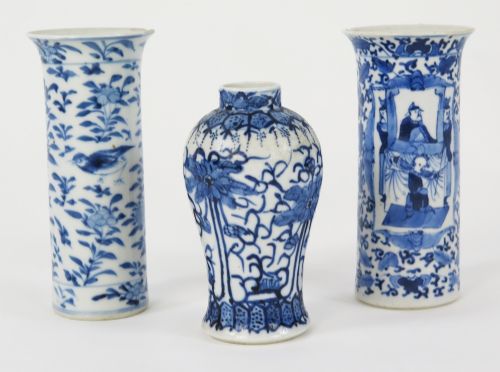
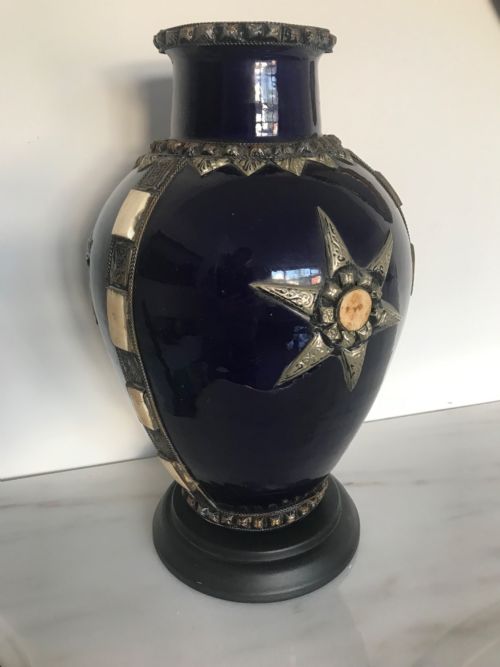
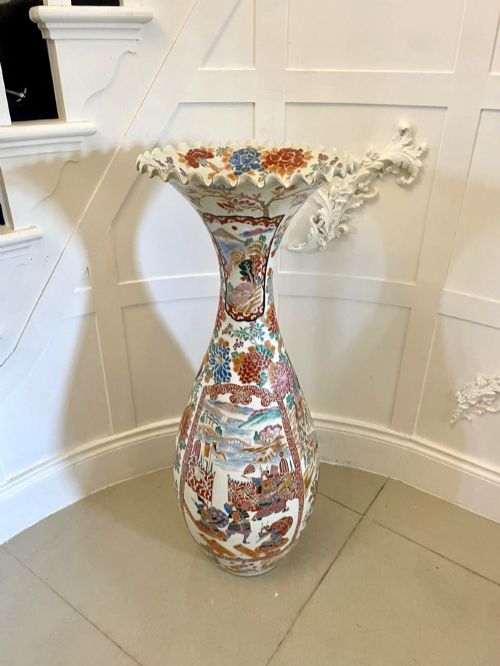
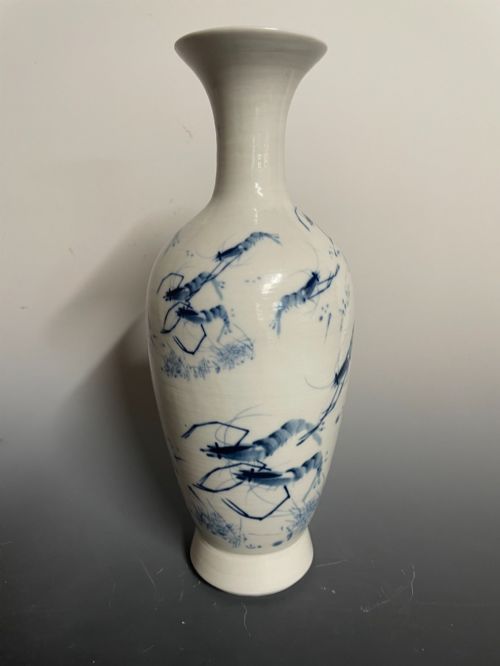
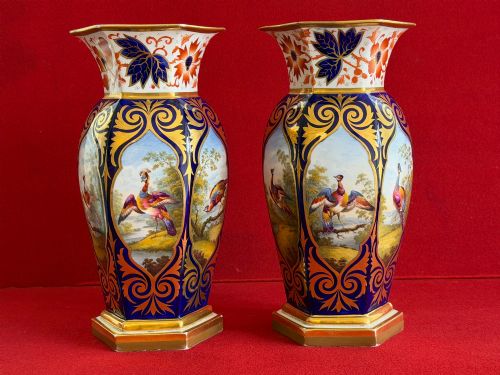
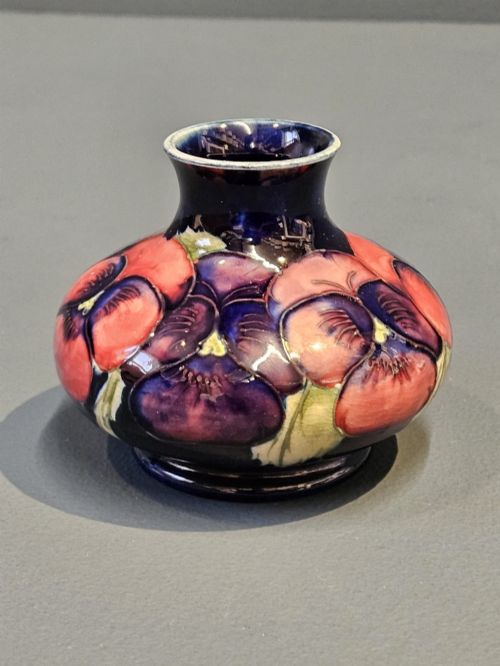
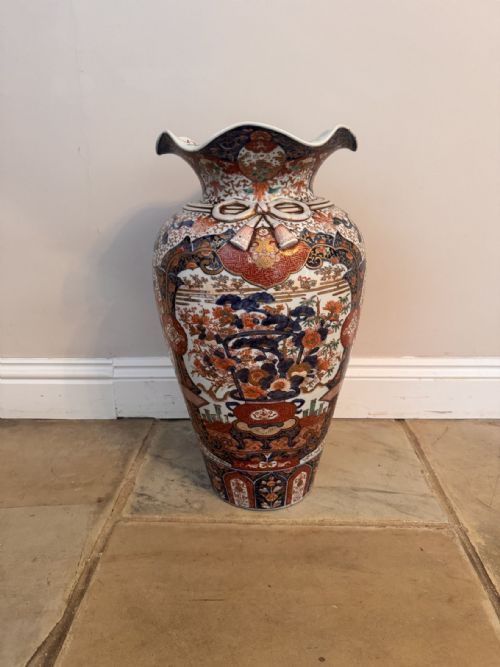
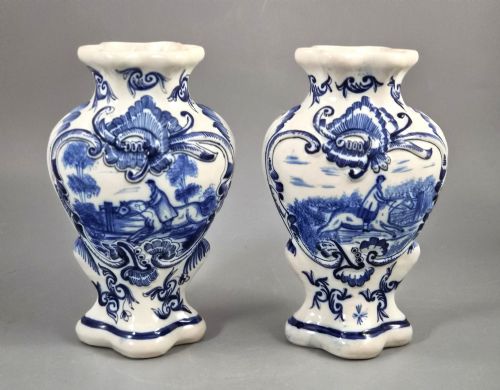
Cobalt Ceramic Vase
A cobalt ceramic vase brings intense blue pigment and historic form together, offering a striking focal point for any room.
Cobalt Ceramic Vase
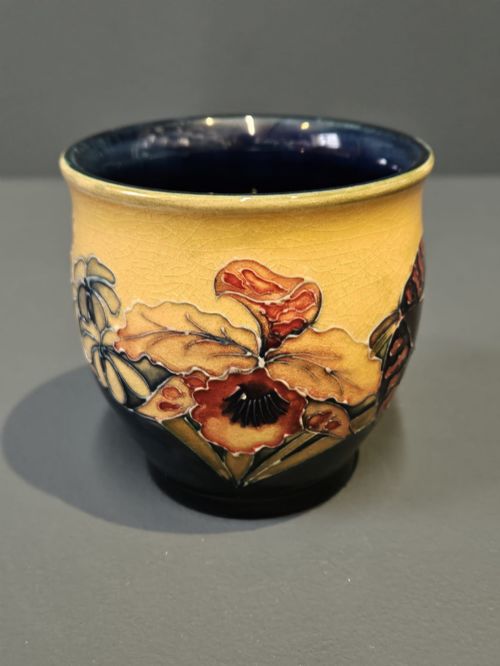
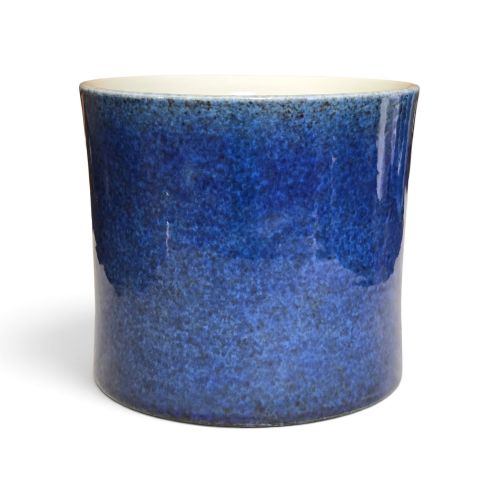
A cobalt ceramic vase encompasses vessels shaped from earthenware, porcelain, and stoneware, decorated in rich blue mineral pigments. These items span domestic mantel ornaments to large floor-standing display pieces intended for prominent spaces.
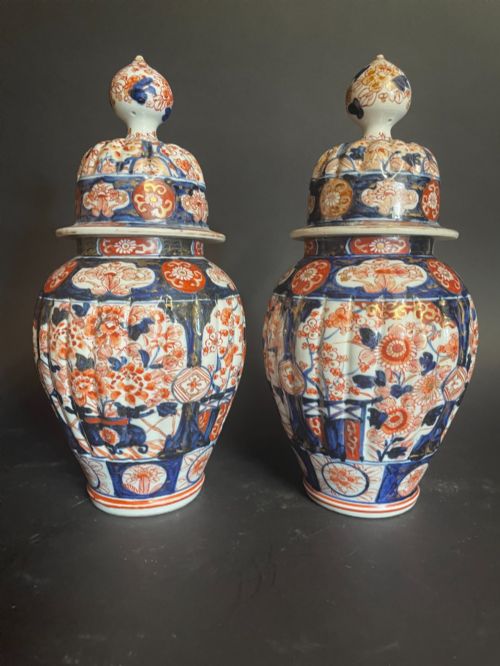
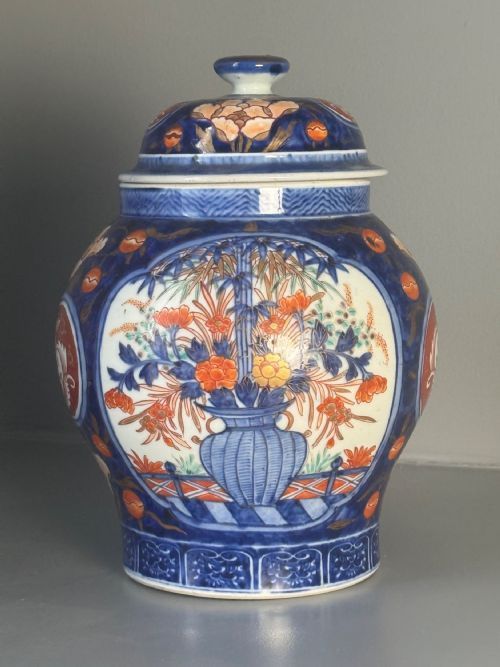
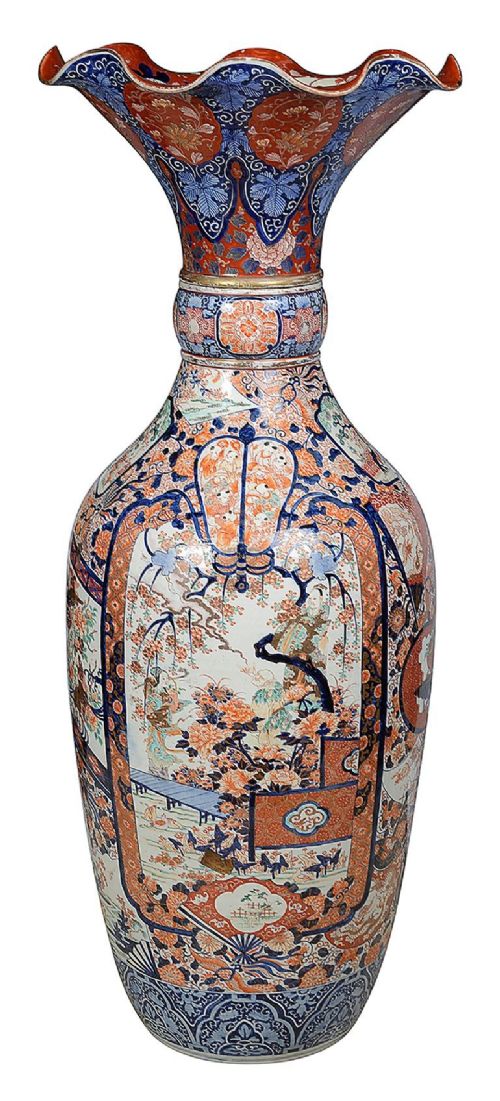
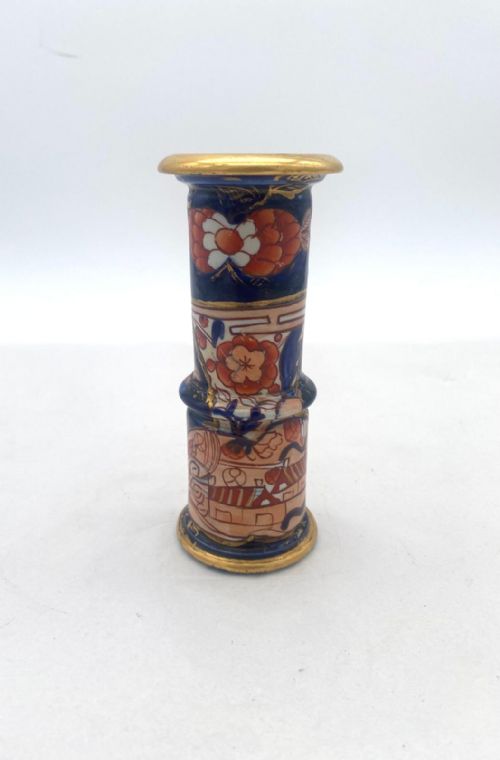
Buyers frequently encounter Japanese Imari wares alongside British porcelain and earthenware from the eighteenth, nineteenth, and early twentieth centuries. Forms stretch from traditional bottle shapes and campagna urns to brush pots and spill vases.
How they were made
Potters shaped clay on the wheel or pressed it into moulds before applying cobalt oxide pigments directly to the raw body or over an initial tin glaze. Artisans then fired the pieces at high temperatures to fuse the blue colour into the vitrified surface.
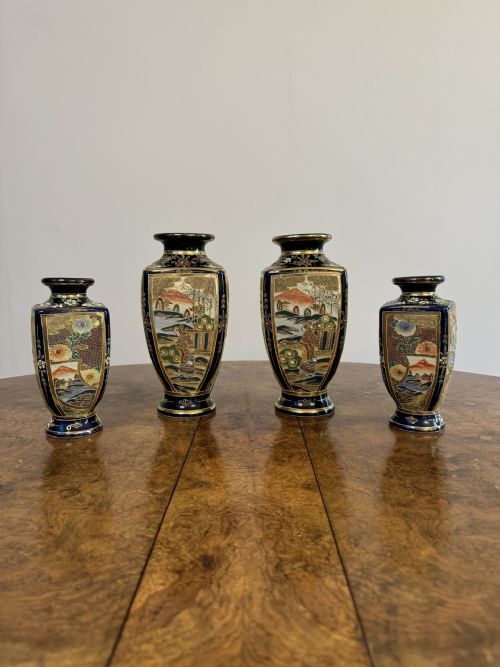
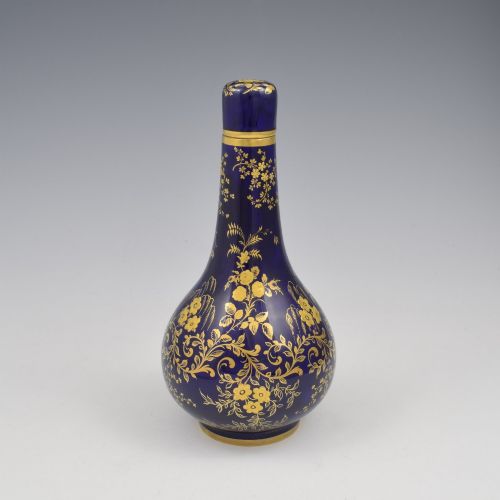
Many English and European examples incorporate additional surface enrichment such as hand-applied gilding, enamel detailing, and gold leaf highlights over the fired glaze. Japanese works often combine underglaze cobalt blue with iron-red and gilt enamel accents in complex panel designs.
The listings span earthenware, porcelain, and stoneware, utilising cobalt glaze, enamel, and gold leaf across multiple centuries.
What varies in quality
Quality rests on the depth and control of the cobalt pigment, where steady brushwork and clean cobalt saturation separate finer studio pieces from standard production wares. The crispness of moulded details and the precision of hand-painted enamel or gilding dictate overall refinement.
The reputation of the manufactory or potter influences standing, alongside the complexity of the vessel form and the preservation of original mounts or covers. Intact gilding and well-balanced proportions across pairs or garnitures elevate individual examples.
Flight, Barr and Barr·Fourmaintraux Courquin·Royal Crown Derby·Doulton Lambeth Ware·William Adams and Sons
The Cobalt Ceramic Vase Glossary
- Cobalt glaze
- A metallic oxide pigment applied to ceramics that produces an intense blue colour under high-temperature firing. This mineral withstands extreme heat without losing its vibrant tone.
- Imari
- A style of Japanese export porcelain originating from Arita, characterised by underglaze blue, iron red, and gold. European factories frequently copied these distinct panelled patterns.
- Faience
- European tin-glazed earthenware produced from the sixteenth century onwards. The opaque white glaze provides a smooth background for painted cobalt decoration.
- Gilding
- The application of gold leaf or powdered gold to the surface of ceramics. Artisans use this technique to accentuate rims, handles, and painted motifs.
- Campagna urn
- A bell-shaped classical vessel form with a flared rim and pedestal foot, popular during the Georgian and Victorian periods. Makers often utilised this shape for decorative garnitures.
Cobalt Ceramic Vase: Frequently Asked Questions
How do I display a large floor vase safely?
Place heavy floor vessels in low-traffic corners or against sturdy walls to prevent accidental knocks. Ensure the floor surface is entirely level.
Avoid positioning large ceramic pieces near heavy foot traffic or where direct sunlight might fade sensitive enamel or gilt highlights over time.
Can I use antique vases for fresh flowers?
Many historic ceramic vessels feature porous bodies or historical repairs that make them unsuitable for holding water safely. Utilising internal glass liners protects delicate interiors from moisture damage.
Inspect the base and interior for hairline cracks before introducing liquid, as sudden temperature changes can stress aged pottery.
How do I distinguish Imari patterns from Chinese blue and white?
Japanese Imari typically incorporates a palette of underglaze cobalt blue combined with contrasting iron red and gold enamel highlights. This multi-layered decorative scheme differentiates it from monochromatic blue and white wares.
Chinese export pieces often rely solely on shades of cobalt blue beneath a clear glaze, focusing on botanical or figurative scenes without the supplementary red and gold palette.
What does a garniture set include?
A garniture consists of a matching group of three to five vases or jars designed to be displayed together on a mantelpiece or sideboard. These matched sets create a balanced visual focal point.
Individual pieces within a garniture often alternate in height or shape, featuring lidded jars alongside open vases while sharing the same decorative motifs.