


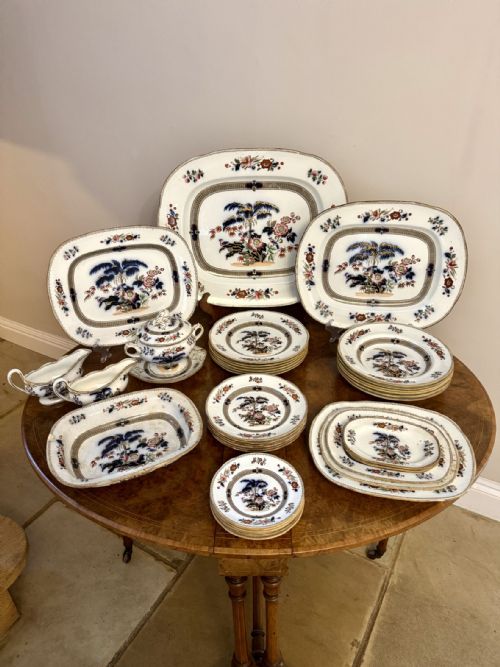
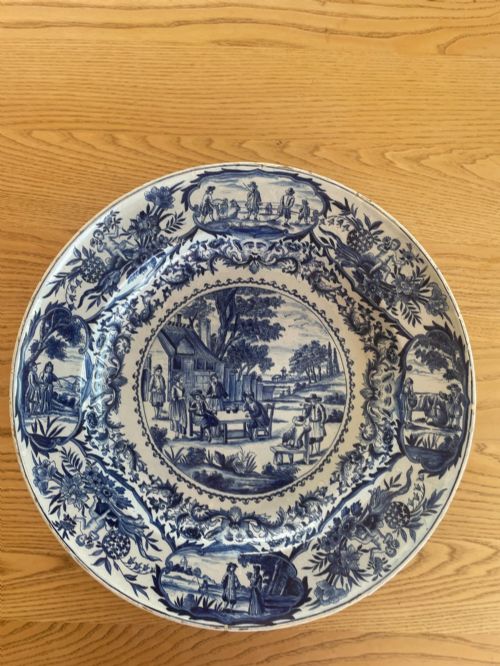
Blue Earthenware Platter
A blue earthenware platter brings centuries of table service tradition into the home, offering deep cobalt scenes and generous proportions for display or dining.
Blue Earthenware Platter
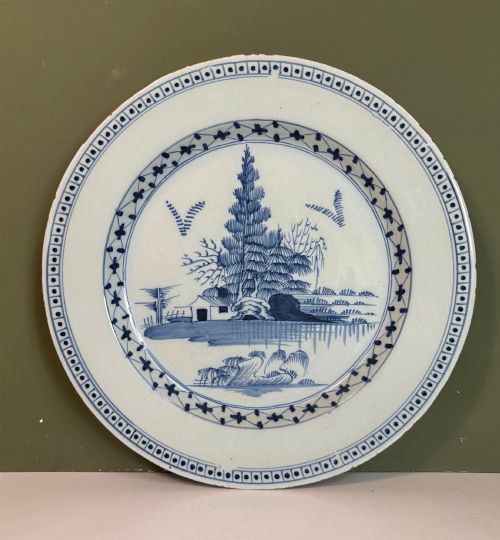
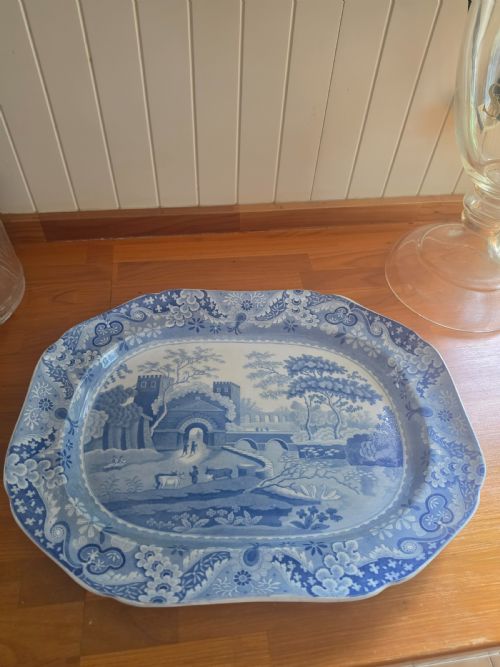
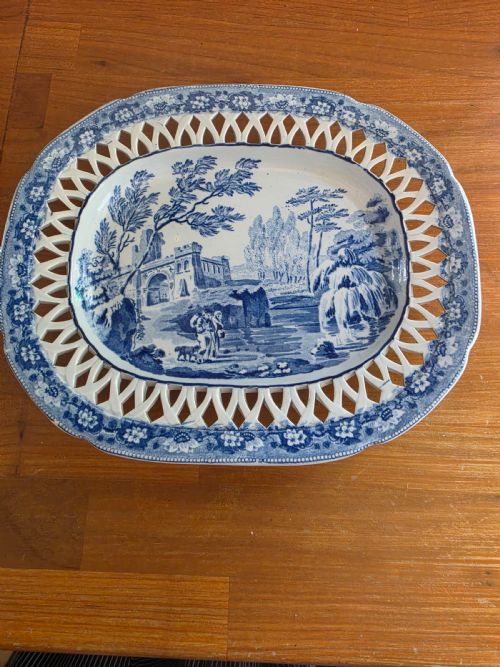
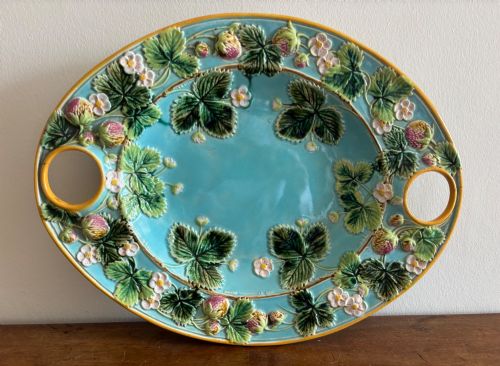
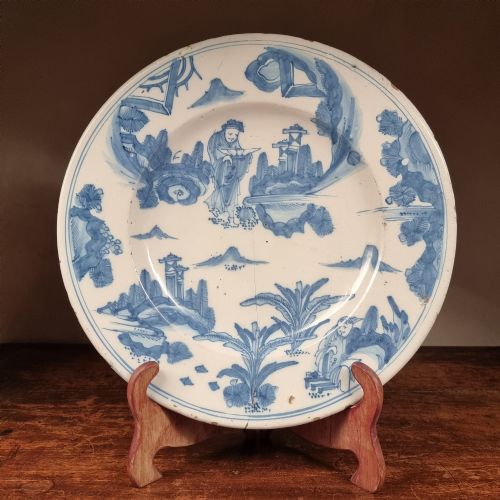
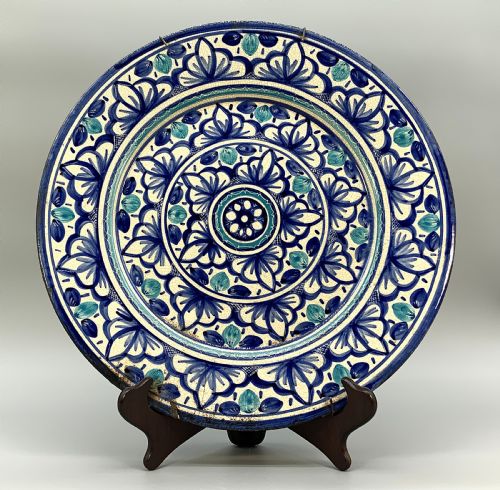
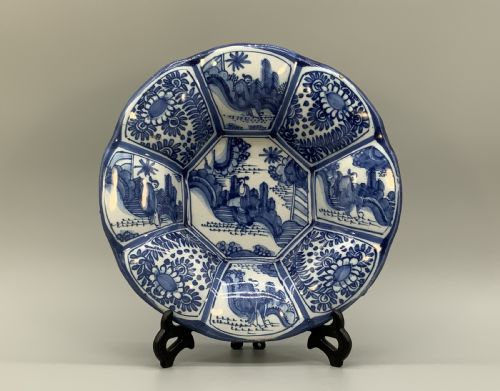
When searching for a blue earthenware platter, buyers encounter large serving vessels, meat plates, and decorative chargers spanning several centuries of ceramic history. The pieces available range from early tin-glazed examples to nineteenth-century transfer-printed designs.
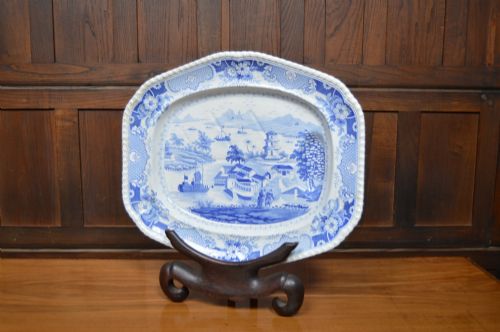
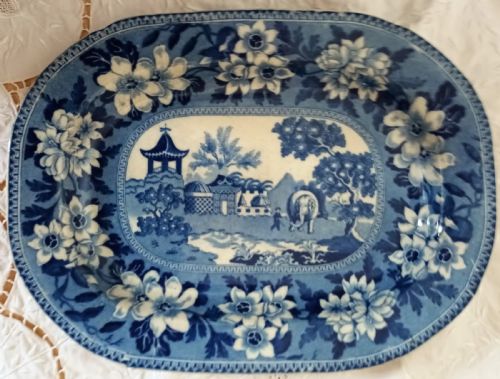
The form is most frequently met in nineteenth-century English and continental productions, utilising classic shapes intended for substantial dining tables. These functional serving dishes combine utility with intricate pictorial landscapes and historical motifs.
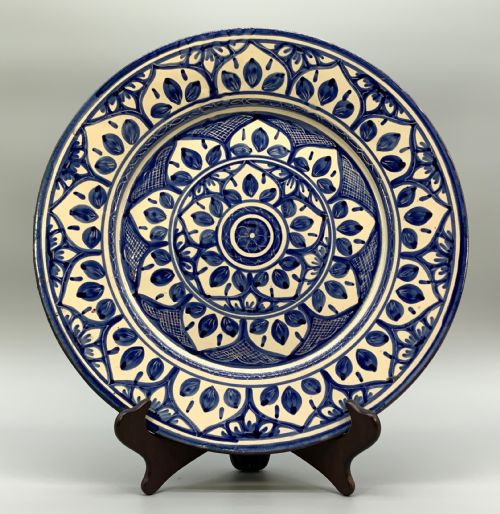
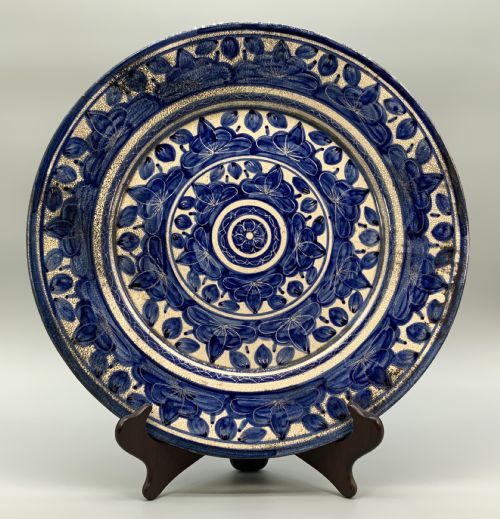
Makers and regional potteries across England, Holland, and Europe produced these large ceramics to satisfy domestic demand for durable, patterned tableware. The selection reflects diverse aesthetic movements, including Chinoiserie, Dutch Baroque, and Moorish Revival styles.
Materials and Manufacture
Potters formed these items from local clays, shaping the paste into heavy platters and chargers before firing the body to create a porous earthenware base. Cobalt pigment provided the rich blue colour applied either by hand painting or via transfer printing.
Glazing involved coating the fired ceramic in a tin or lead glaze, sealing the porous earthenware and imparting a smooth, vitreous surface. Subsequent high-temperature firings fused the blue pigment into the liquid glaze, fixing the intricate patterns permanently.
Listings feature earthenware platters spanning the eighteenth, nineteenth, and twentieth centuries, incorporating tin glaze, pearlware, and transfer-printed ceramic bodies.
Evaluating Quality and Execution
Quality rests primarily on the clarity and crispness of the cobalt decoration, whether applied through meticulous brushwork or precise transfer printing. Superior pieces exhibit deep, saturated blue tones without blurring or running at the edges of the design.
The physical weight, balance, and potting skill of the earthenware body also determine the standing of a platter. Finer examples maintain a uniform thickness and flatness across wide surfaces despite the warping risks inherent in historic kiln firings.
George Jones·John Rogers and Son·Spode·Davenport·Wedgwood·Minton
The Blue Earthenware Platter Glossary
- Earthenware
- Porous ceramic fired at relatively low temperatures. It requires a glaze to hold liquids and forms the structural body of these platters.
- Transferware
- Ceramic decorated by printing a design from a copper plate onto tissue paper, then transferring it onto the bisquewear before glazing. This technique revolutionised mass production in the nineteenth century.
- Tin-Glaze
- Opaque white glaze containing tin oxide, used on early European pottery to imitate Chinese porcelain. It provides a smooth background for painted blue pigments.
- Pearlware
- Refined earthenware developed in the late eighteenth century featuring a thin glaze with a faint bluish tint. It bridged the gap between creamware and true porcelain.
- Charger
- Large decorative or serving plate meant to be hung on walls or set upon tables. They frequently measure wider than standard dinner plates.
Blue Earthenware Platter: Frequently Asked Questions
How were these large platters used historically?
Historic households utilised large platters and meat plates for presenting joint roasts, fowl, and communal courses at the centre of the dining table.
Their generous dimensions allowed carved meats and vegetables to be served directly from a single focal vessel before the advent of individual plated meals.
Can I use an antique platter for serving food?
Many sturdy earthenware platters remain structurally sound for presenting dry foods, though historic glazes on early pieces may require gentle handling.
Modern dishwashers and harsh detergents should be avoided to protect the historic glaze surfaces and prevent crazing.
How do I distinguish an eighteenth-century charger from a nineteenth-century platter?
Eighteenth-century chargers typically feature tin glaze over a softer earthenware body with hand-painted tin-glazed decoration or Delft aesthetics.
Nineteenth-century platters more often display crisp transfer-printed scenes on refined earthenware or pearlware bodies produced by industrial potteries.
How should I display a heavy ceramic charger safely?
Wall display requires sturdy, broad-lipped wire hangers designed specifically to distribute the considerable weight of large earthenware chargers evenly.
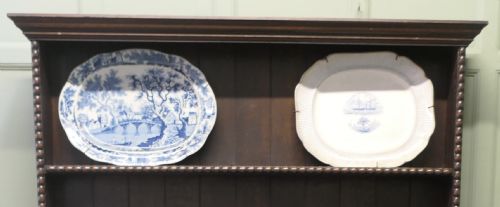
Alternatively, stable plate stands with deep ledges support the base securely when placed on sideboards or within display cabinets.