





Early 19th Century Plate
An early 19th century plate brings the decorative ceramics, transfer-printed earthenware, and silver-plated metalwork of the Georgian and Regency eras directly into modern homes.
Early 19th Century Plate
The term early 19th century plate encompasses domestic ceramic tableware, armorial porcelain dishes, transfer-printed platters, and the mirrored glass plates found within period wall mirrors and overmantels. Buyers searching this phrase meet everything from blue and white earthenware chargers to hand-painted botanical serving dishes and nursery plates.
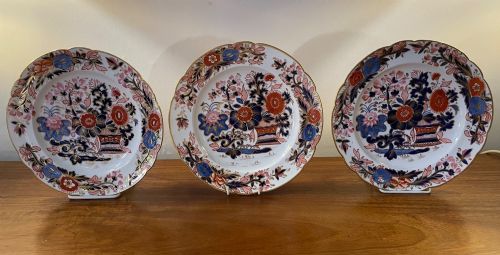
Ceramic examples range from Davenport and New Hall cabinet pieces to Staffordshire Imari palette wares and Wedgwood creations. Makers such as Chamberlain Worcester and Coalport produced armorial and patterned porcelain intended for formal dining tables and display cabinets.
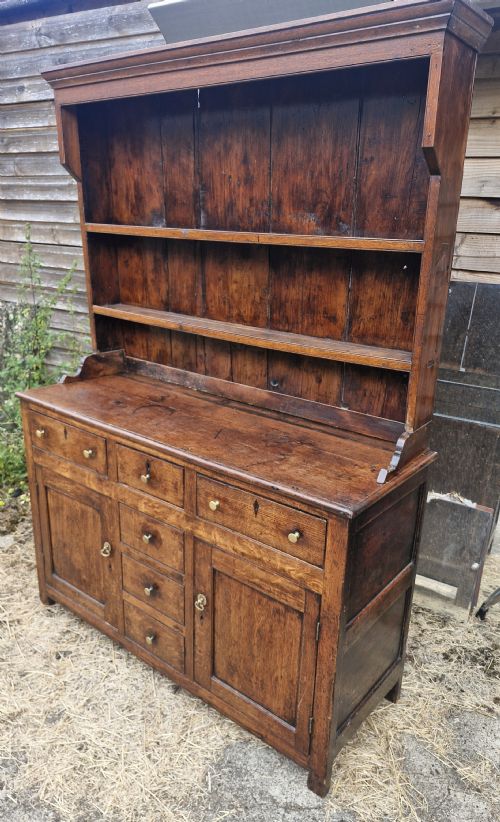
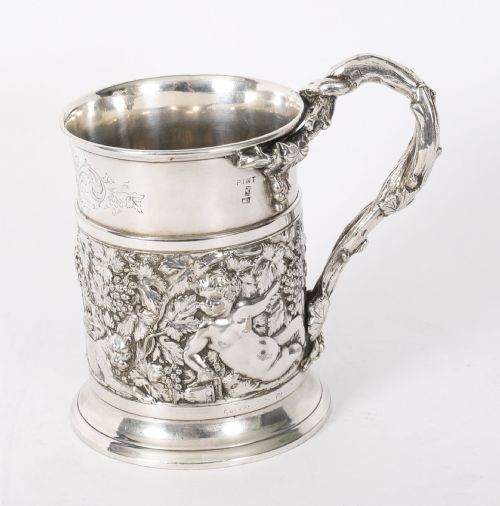
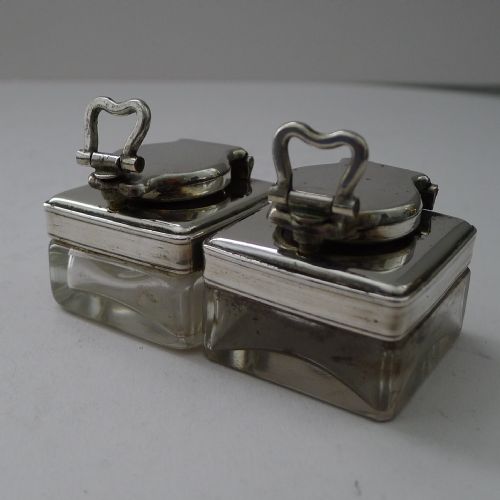
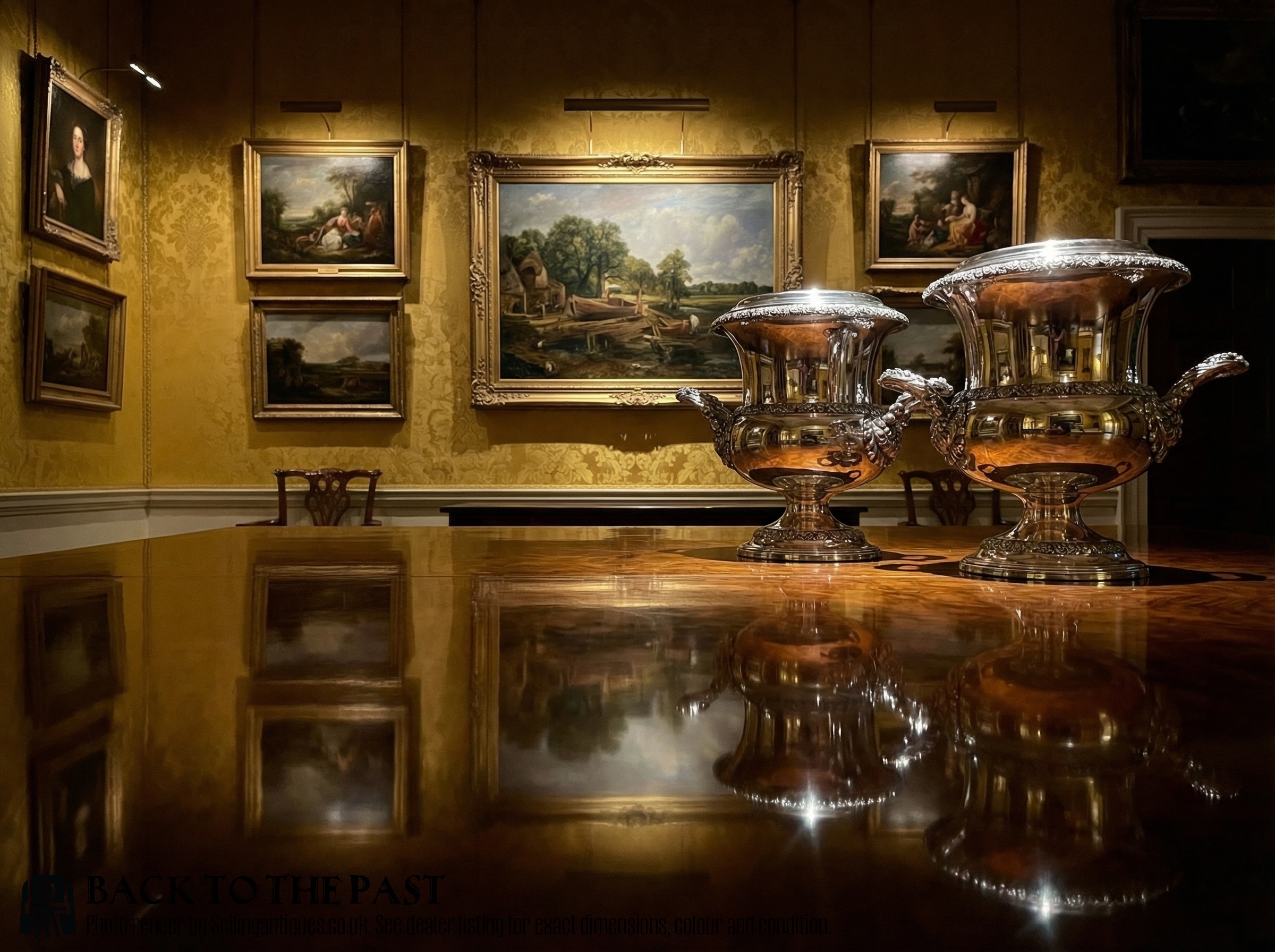
Metalplate variations include Old Sheffield Plated salvers, chamber candlesticks, and wine coolers alongside industrial lithographic metal printing plates. Oak dressers and plate stands frequently accompany these ceramic and metal collections as period display furniture.
Materials and manufacturing methods
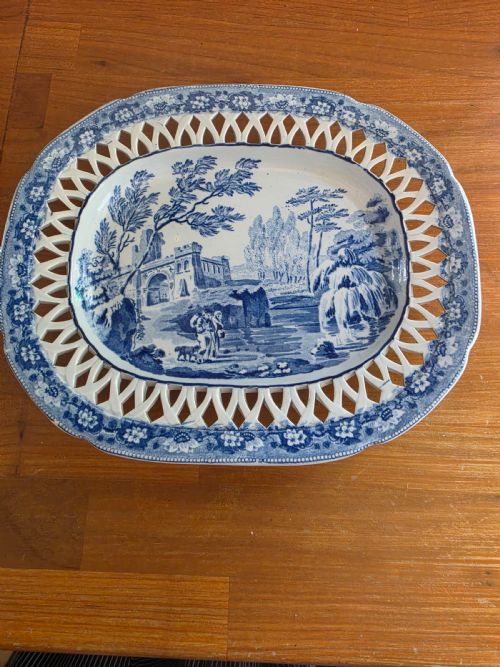
Ceramic pieces utilise earthenware, bone china, and porcelain bodies shaped by hand or moulded before receiving hand-painted enamels or blue and white transfer printing. Makers applied intricate oriental motifs, botanical studies, and armorial crests under or over the glaze.
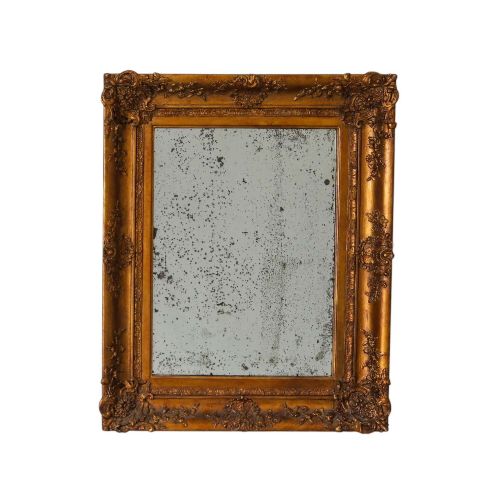
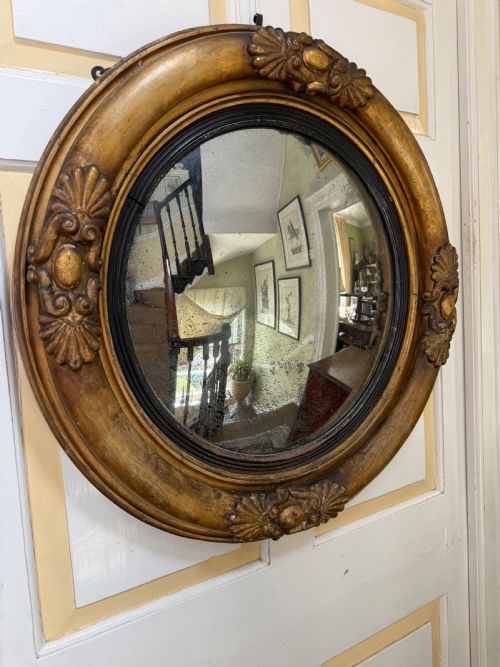
Metal items rely on Old Sheffield Plating techniques, fusing a thin layer of silver onto a copper base, or utilise solid brass, copper, and nickel-plating. Mirror plates required silvering processes applied to flat or convex glass sheets housed within giltwood or maple frames.
A cheerful feline shape carved from wood served to warm plates by the hearth before dinner.
Assessing craftsmanship and condition
Quality rests upon the crispness of the transfer print, the delicacy of hand-painted enamel details, and the preservation of the original glaze or silver plating. Finer porcelain dishes display precise armorial painting and unblemished ceramic bodies without firing cracks.
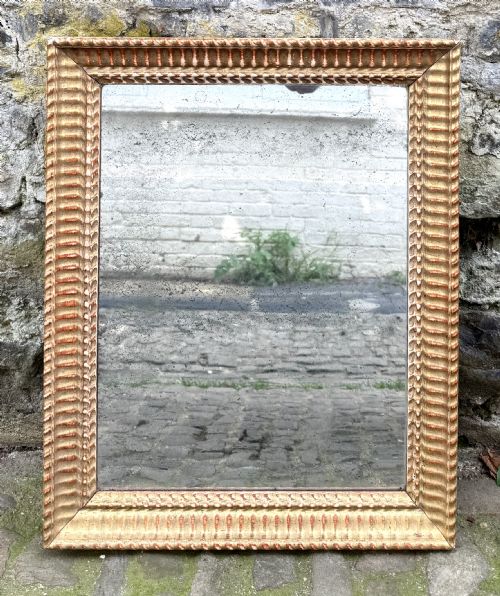
For mirrored plates and reflective metalware, the clarity of the glass, the extent of natural foxing, and the integrity of the giltwood or silver-plated surfaces determine desirability. Structural survival of original frames, stands, and associated racks adds significant merit.
Davenport·Coalport·Chamberlain Worcester·Minton·New Hall·Wedgewood·Barr Flight and Barr·G R Collis·Pontifex and Stiles·John Horner Halifax
The Early 19th Century Plate Glossary
- Transfer printing
- A method of applying complex decorative patterns to ceramics by engraving a copper plate, inking it, and transferring the design via tissue paper. This technique allowed factories to produce uniform pictorial scenes efficiently.
- Old Sheffield Plate
- An early composite material made by fusing a sheet of silver to a copper ingot and rolling them together. This technique predates modern electroplating and leaves a characteristic edge where the base metal shows.
- Imari palette
- A decorative colour scheme inspired by imported Japanese porcelain featuring iron red, cobalt blue, and gilt highlights. Georgian potteries adopted this aesthetic for earthenware plates and serving dishes.
- Armorial
- A ceramic design featuring a family crest, coat of arms, or heraldic insignia. These were usually commissioned specially by landed families for formal dining.
- Convex plate
- A curved mirror glass designed to provide a wide-angle reflection of an interior space. These are typically set within Regency giltwood frames.
Early 19th Century Plate: Frequently Asked Questions
How do I identify a transfer printed plate?
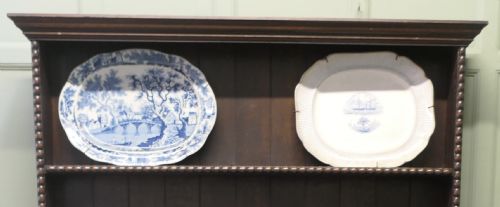
Transfer printed plates display intricate blue and white or multi-coloured patterns applied mechanically rather than painted by hand. Close inspection reveals fine stippled lines or repeating pattern transfer marks beneath the glaze.
Most examples from this era depict Chinese garden scenes, romantic landscapes, or classical motifs. Makers often marked the reverse with factory names or pattern titles.
Can I use antique ceramic plates for dining?
Historic ceramic plates can be utilised for light dining, but hand-washed care is essential to preserve the fragile overglaze enamels and soft earthenware bodies. Modern dishwashers and acidic foods will damage the historic glaze.
Many collectors prefer to display these pieces in oak plate racks, cabinets, or wall brackets to protect them from chipping.
What is the difference between porcelain and earthenware?
Porcelain is fired at much higher temperatures, resulting in a vitreous, translucent body that rings when tapped gently. Earthenware is more porous and opaque, requiring an impermeable glaze to hold liquids.
Cabinet plates and armorial soup plates typically use fine porcelain, while everyday chargers and nursery pieces utilise earthenware.
How do I date a silver plated item from this period?
Dating silver plated items involves examining the manufacturing technique, base metals, and maker's marks stamped into the surface. Old Sheffield Plating reveals thin lines of copper along exposed edges where the silver sheet has worn away.
Stylistic cues such as Regency campana shapes, neo-classical engraving, and specific silversmith signatures help narrow the production window.