



Orange Porcelain Dish
An orange porcelain dish brings together robust ironstone and delicate enamel, offering a vibrant focal point for any room.
Orange Porcelain Dish
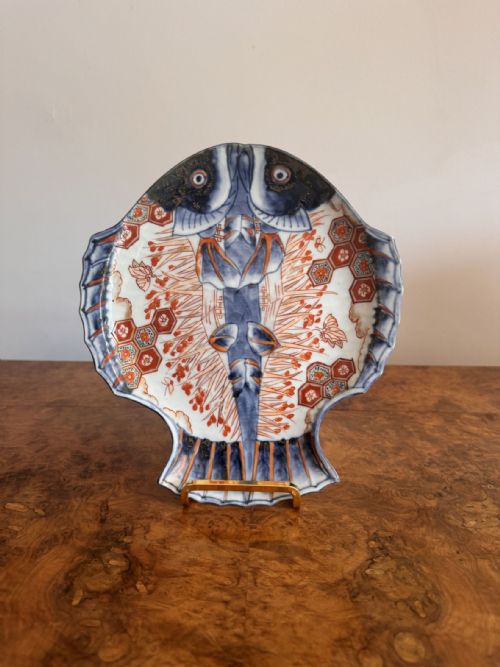
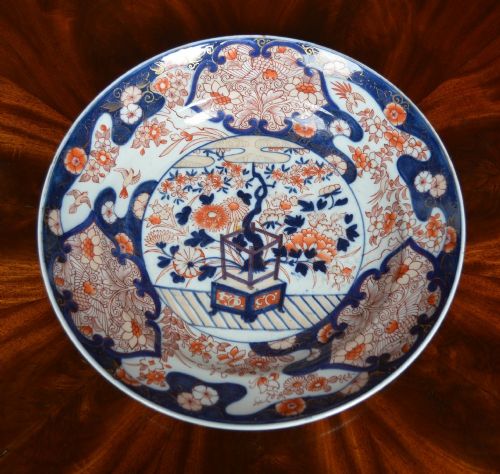
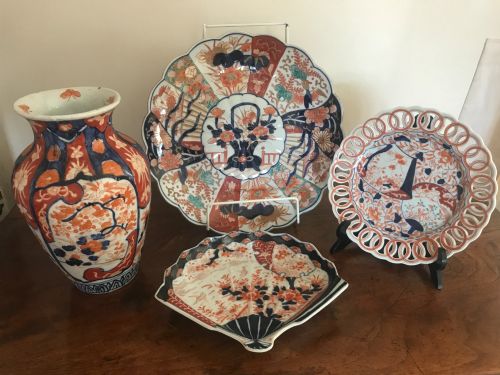
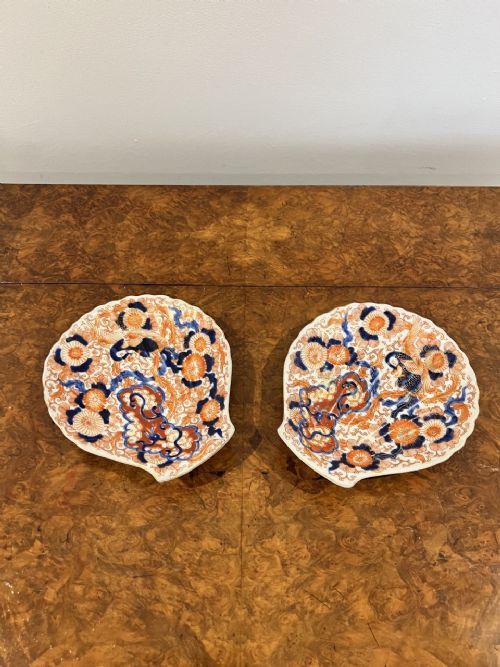
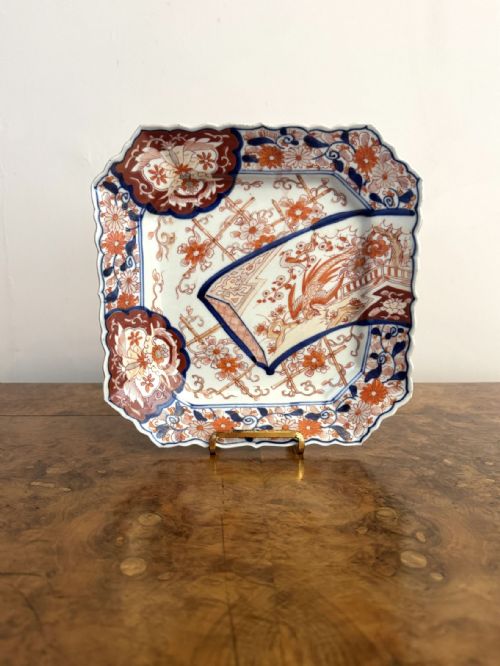
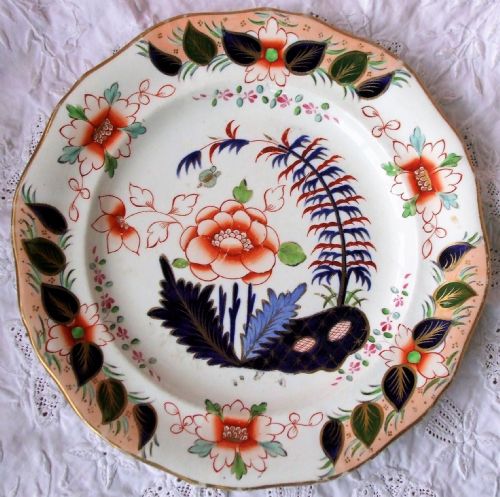
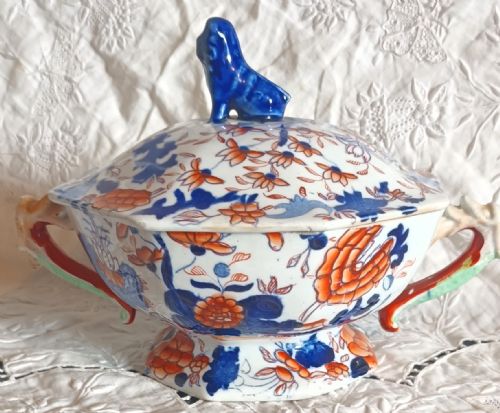
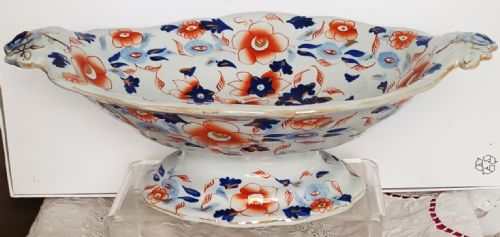
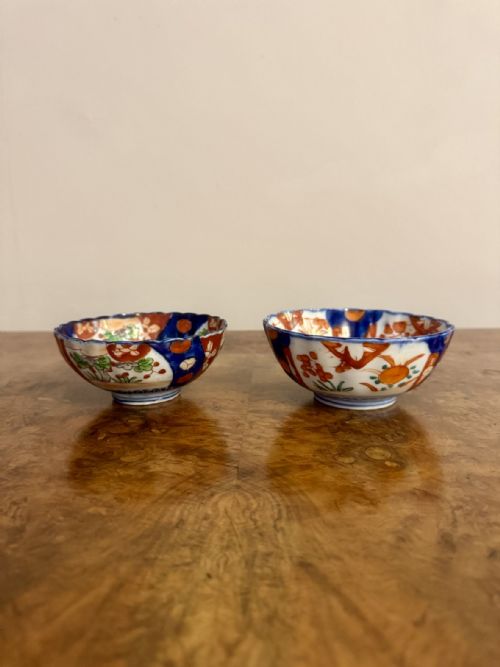
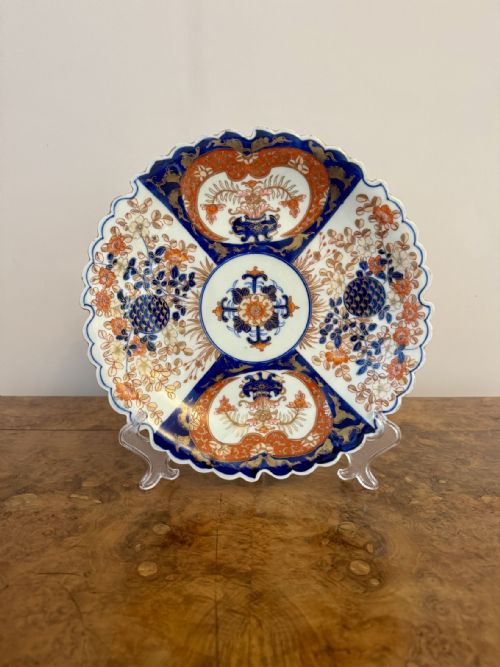
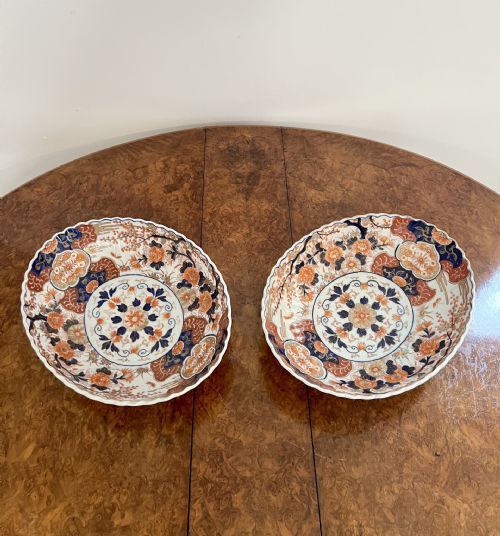
When you search for an orange porcelain dish, you encounter pieces that span traditional Japanese Imari patterns, Chinese export wares, and English Georgian ironstone. These items appear in various forms, including scalloped plates, shell-shaped dishes, and large decorative chargers.
The selection ranges from early eighteenth-century Japanese Edo period chargers to nineteenth-century English interpretations by makers such as John Davenport of Longport and Mason's. Most examples date from the 1900 period or the wider nineteenth century, reflecting enduring cross-cultural design influences.
Moulded and shaped pieces frequently adopt naturalistic forms like fish, fans, ribbons, and boats alongside standard circular and hexagonal formats. This variety ensures that every piece serves primarily as a decorative display item rather than utilitarian tableware.
How they were made
Potters shaped porcelain and ironstone bodies by hand or in moulds before applying initial cobalt and iron-red pigments. Artisans then hand-painted detailed motifs across the surface, incorporating supplementary colours and glazes.
Many items incorporate gold leaf, gilding, or enamel highlights that were fixed during a secondary firing process. This technique created the rich palette seen on Chinese Famille Rose wares and Japanese Imari compositions.
Listings include Japanese Imari, Chinese export porcelain, and English ironstone spanning the eighteenth, nineteenth, and early twentieth centuries.
What varies in quality
Quality rests in the crispness of the hand-painted brushwork and the precision of the polychrome palette. Superior pieces show disciplined line work and careful alignment of pigments within the glazed compartments.
The sophistication of the modelling also defines better examples, particularly in moulded shapes such as shells, fish, and fan-shaped dishes. Heavier, well-balanced ironstone bodies and carefully finished foot rims separate standard production from exceptional studio outputs.
John Davenport of Longport·Mason's·Royal Crown Derby·Flight Barr & Barr
The Orange Porcelain Dish Glossary
- Imari palette
- A traditional decorative scheme utilising iron red, underglaze blue, and gilt highlights on a white ceramic ground. This style originated in Japan and was widely copied by European factories.
- Ironstone
- A dense, durable type of ceramic developed in the nineteenth century as a robust alternative to porcelain. It takes glazes and enamels exceptionally well.
- Charger
- A large decorative plate or dish intended for display on a wall or sideboard rather than for serving food. These pieces often measure twelve inches or more in diameter.
- Comport
- A raised dish or bowl used for presenting fruit or sweetmeats on a dining table. They frequently stand upon a central foot or pedestal.
Orange Porcelain Dish: Frequently Asked Questions
How do I display an orange porcelain dish?
These pieces suit plate stands on sideboards or mantelpieces where their detailed painted surfaces catch the light. Larger chargers often feature mounting holes or hardware for secure wall hanging.
Avoid placing them in direct sunlight to protect the enamel and gilt highlights from fading over time.
What is the difference between Imari and Japan patterns?
Imari refers specifically to Japanese export porcelain decorated in the traditional blue, red, and gold palette exported through the port of Imari. The Japan pattern represents British interpretations of these same East Asian motifs applied to local ironstone and earthenware.
Both styles share a vibrant visual impact, but the underlying ceramic body differs between Japanese porcelain and English ironstone.
How do I identify a nineteenth century piece?
Examine the weight, glaze consistency, and any maker marks stamped or painted on the base. Nineteenth-century ironstone pieces tend to be heavier and thicker than eighteenth-century porcelain.
Stylistic cues such as dense floral borders and characteristic colour saturation also help narrow down the production era.