


Antique Heraldic Plate
An antique heraldic plate carries painted, enamelled or engraved family coats of arms, crests and mottoes.
Antique Heraldic Plate
When you search for an antique heraldic plate, you encounter items designed to display family identity and lineage through armorial bearings. These objects serve as decorative cabinet pieces or formal tableware commissioned by noble and landed families.
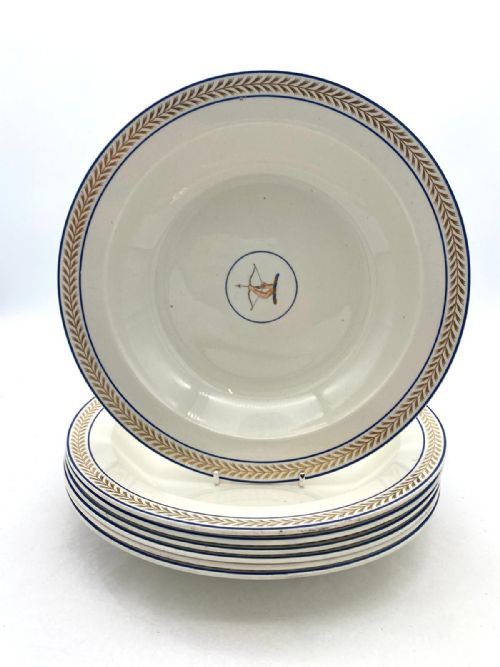
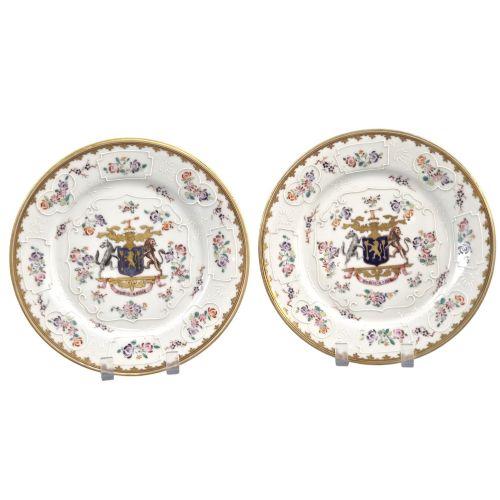
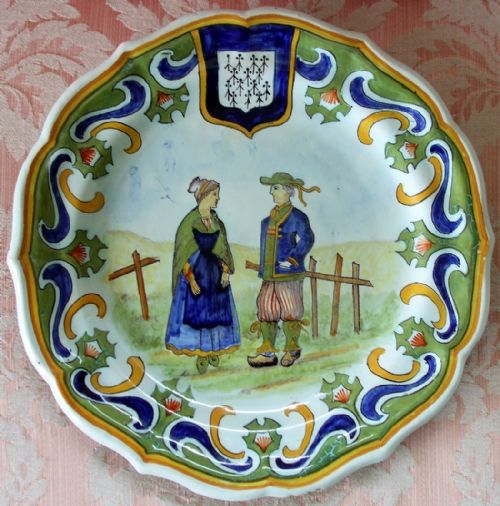
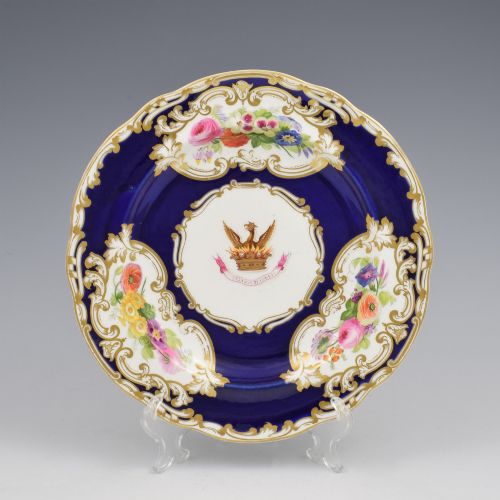
The pieces on this page span several centuries and originate from English, European and Chinese export workshops. You will find porcelain dinner and dessert plates alongside earthenware creamware soup bowls and tin-glazed faience dishes.
The armorial decoration forms the central focus of each item, hand-painted or transferred with specific family crests, shields and mottos. These designs allow collectors to trace the lineage and commissioning history of the original owners.
Materials and manufacture
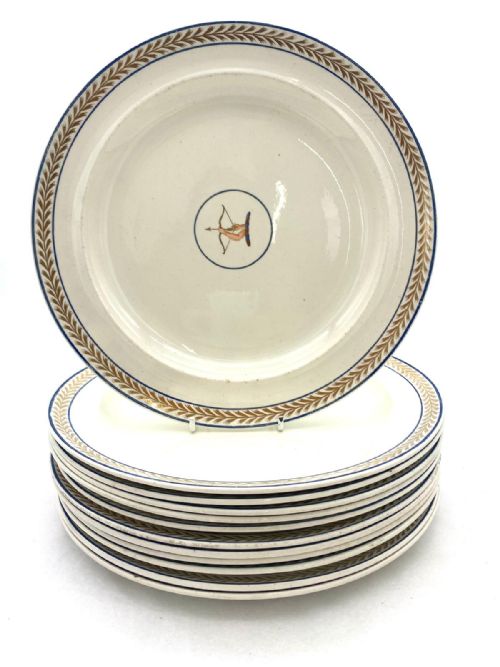
Potters shaped these objects using hard-paste and soft-paste porcelain, creamware and faience before applying detailed enamel pigments and gilding. The armorial crests were meticulously hand-painted over or under the glaze, then fired in kilns to fuse the colours.
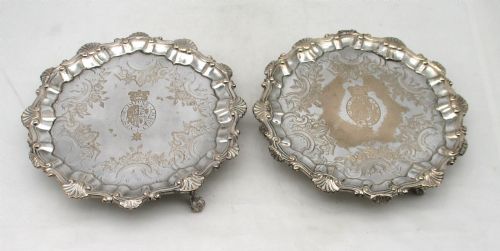
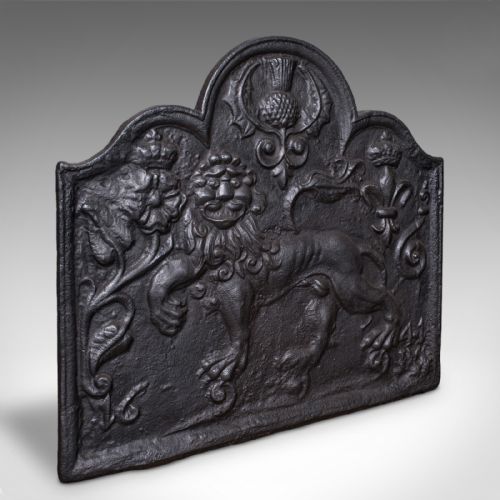
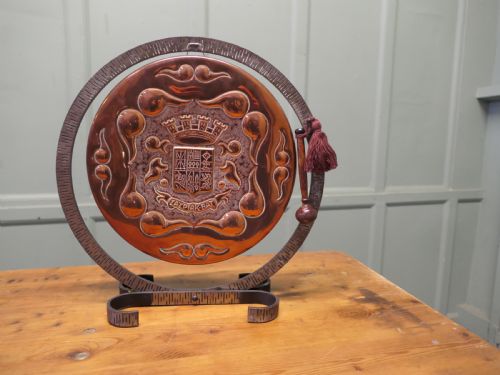
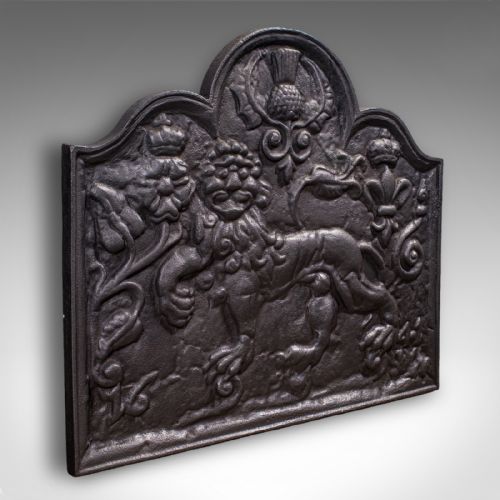
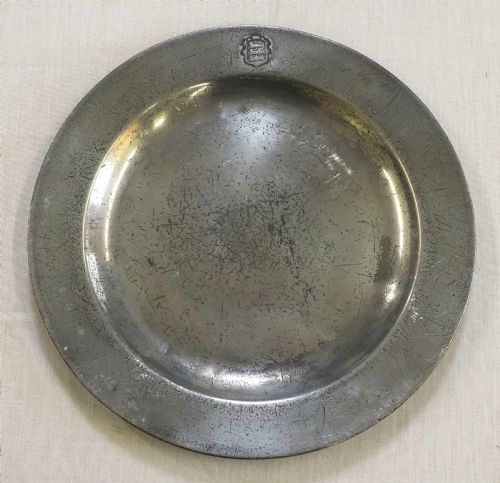
Metal items in this category utilise Old Sheffield plate, silver plate, copper, iron and pewter, formed by casting or hand-hammering. Engravers incised the heraldic shields and crests directly into the metal surfaces with sharp burins.
Listings feature ceramics from English potteries alongside Chinese export porcelain and French faience dishes.
What drives quality
The artistic skill involved in rendering the heraldic details determines the standing of the piece. Finely brushed enamel work and crisp, deep metal engraving distinguish superior items from simpler production ware.
The prestige of the commissioning potter or factory and the historical documentation of the noble family associated with the crest elevate the desirability of individual pieces.
Wedgwood·Edmé Samson et Cie·Copeland·Wood and Michell·Coalport·Chamberlain Worcester·Minton·Lawrence Dyer
The Antique Heraldic Plate Glossary
- Armorial
- Relating to heraldry or bearing a coat of arms. These designs identify specific families and hereditary lineages.
- Creamware
- A fine-grained, light-coloured earthenware developed in Yorkshire during the eighteenth century. Wedgwood perfected this ceramic body for functional and armorial tableware.
- Faience
- Tin-glazed earthenware produced in France and other European regions. The opaque white glaze provides a smooth background for painted heraldic decoration.
- Famille Rose
- A palette of Chinese porcelain enamels dominated by opaque pink. This style became popular for export armorial services ordered by European families.
- Salver
- A flat metal plate or tray used for serving food or displaying items. Armorial examples feature engraved family crests upon silver plate or Old Sheffield plate.
Antique Heraldic Plate: Frequently Asked Questions
How were armorial plates used?
Families displayed these pieces on dining tables during formal meals or exhibited them on sideboards and in cabinets to signal status and ancestry.
Servants used larger chargers and salvers to carry food and drink while presenting the household coat of arms to guests.
How do I identify the family crest?
The painted or engraved shield displays specific heraldic charges, colours and symbols unique to a registered lineage. Researchers match these elements against historical armorial records and peerage guides.
The motto written on a scroll beneath the shield often confirms the identity of the family who commissioned the piece.
Are these plates safe for dining?
Collectors generally treat antique ceramic and metal heraldic tableware as decorative objects rather than items for daily meals. Eighteenth and nineteenth-century glazes and metal compositions can wear or react with certain foods.
Displaying them in cabinets or on plate racks protects the delicate enamel painting and gilt edges from damage.
How do I date an armorial plate?
Ceramic bodies, glaze characteristics and shape styles provide the primary chronological indicators for dating. Creamware points to the late eighteenth century, while hard-paste porcelain often suggests nineteenth-century manufacturing.
Makers' marks, impressed factory stamps and recorded family commissioning dates narrow the period further.