




Octagonal Porcelain Plate
An octagonal porcelain plate brings geometric balance and fine glaze to the table, and collectors prize these eight-sided forms for their distinctive profile.
Octagonal Porcelain Plate
An octagonal porcelain plate presents a distinctive eight-sided geometry that departs from standard round dining wares. When exploring an octagonal porcelain plate, buyers encounter pieces originating from diverse eras ranging from the eighteenth century through to the twentieth century.
The selection includes English factories alongside continental European and Asian export traditions. Examples span utilitarian dining vessels and decorative cabinet plates designed for display.
Materials and Construction
Makers utilised hard-paste porcelain, soft-paste porcelain, stone china, earthenware, and ironstone to form the rigid eight-sided body. These ceramic bases received smooth coats of glaze before painters applied detailed enamels and occasional gold leaf accents.
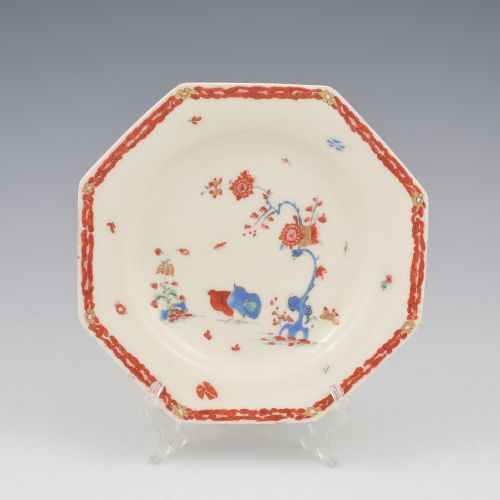
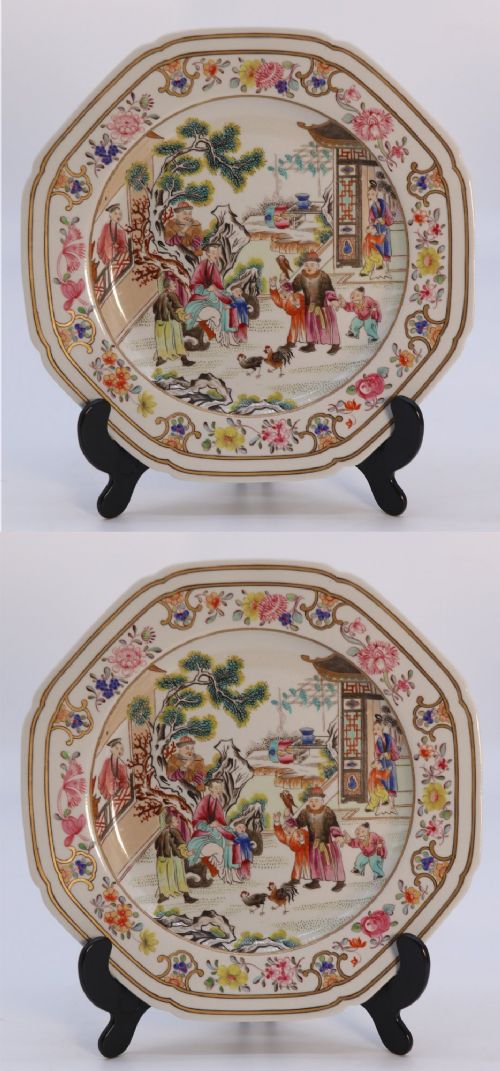
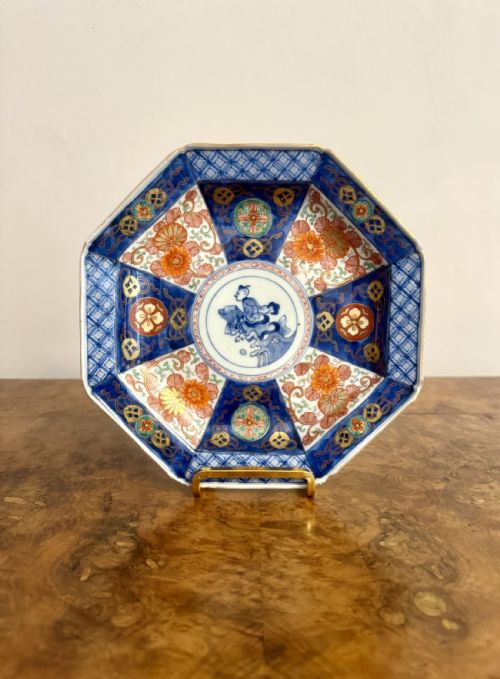
Firing techniques allowed kilns to set complex hand-painted motifs, including Chinese Famille Rose armorial designs, Kakiemon quail patterns, and Japanese Imari palettes.
Early painters occasionally hid tiny painted insects in the corners of octagonal borders to surprise observant diners after the meal.
Assessing Quality and Execution
Quality rests upon the crispness of the eight-sided moulding and the precision of the glazed surface. Superior examples display finely controlled enamel work and well-preserved gilding that remains sharp across the rim and well.
The refinement of the ceramic body itself dictates distinction, separating standard utility wares from finely potted cabinet plates intended for formal display.
Bow Porcelain·Spode·Helena Wolfsohn·KPM Berlin·Wedgwood·Royal Vienna
The Octagonal Porcelain Plate Glossary
- Armorial
- Bearing a coat of arms or heraldic insignia hand-painted onto the ceramic surface. These bespoke commissions identify specific historical families.
- Cabinet plate
- A decorative ceramic plate intended for display on a wall or within a glass cabinet rather than for daily dining use.
- Imari
- A traditional Japanese style featuring rich underglaze blue combined with iron red and gold enamel highlights. This aesthetic influenced various European factories.
- Kakiemon
- An asymmetric Japanese ceramic decoration style featuring delicate birds and florals. European porcelain works frequently copied these motifs.
- Stone china
- A dense, durable ceramic body developed in the nineteenth century to rival imported Asian wares. It provides a robust foundation for geometric plates.
Octagonal Porcelain Plate: Frequently Asked Questions
How do I date an octagonal plate?
Dating relies on identifying the specific ceramic body, such as soft-paste porcelain versus stone china, alongside stylistic clues in the enamel palette. Factory marks on the underside often narrow down the production decade.
Examinations of the foot rim and glaze consistency further reveal whether a piece originates from the eighteenth century or later nineteenth-century revival periods.
Can I use these plates for dining?
While many historic octagonal plates served functional roles in past dining services, older soft-paste and finely enamelled pieces require careful handling. Modern dishwashers and microwaves will damage fragile ceramic bodies and historical gold leaf.
Gentle hand washing in warm water preserves the delicate overglaze enamels and prevents structural stress to the antique ceramic.
What is Chinese export porcelain?
Chinese export porcelain refers to wares manufactured in China specifically for Western markets, often following European shape requirements and armorial commissions. These items travelled along maritime trade routes during the eighteenth century.
They combine traditional Chinese potting techniques with Western heraldry and decorative preferences requested by foreign buyers.
What causes the eight-sided shape?
The octagonal form is achieved either by moulding the wet clay in a specially shaped press or by carefully trimming the edges of a thrown plate before firing. This geometric silhouette requires precise geometry to keep all eight sides symmetrical.
Makers adopted this shape to create visual contrast against standard round dining vessels on formal tables.