




White and Pink Porcelain
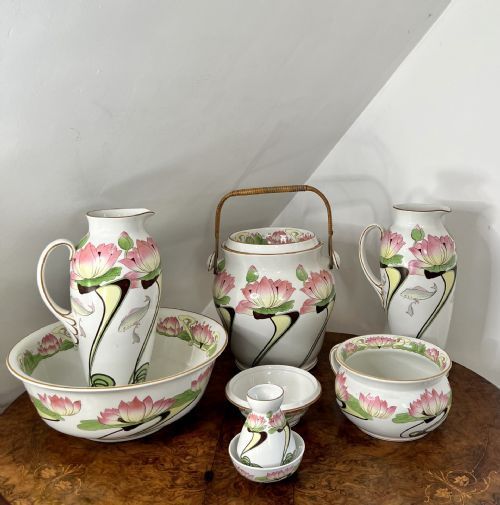
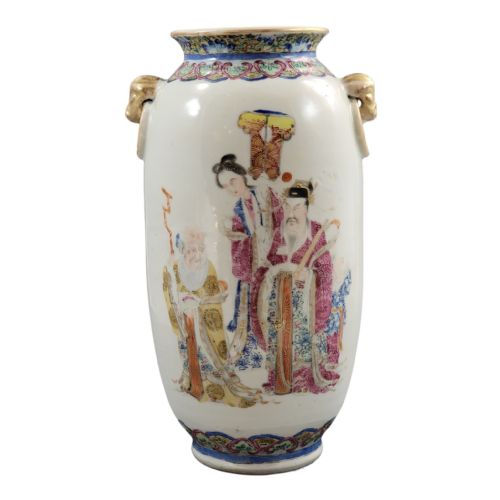
White and pink porcelain brings together soft painted florals and crisp ceramic bodies across Georgian, Victorian, and Chinese export periods.
White and Pink Porcelain
White and pink porcelain encompasses domestic tea wares, decorative figures, and cabinet pieces originating from English factories, continental European kilns, and Chinese export workshops.
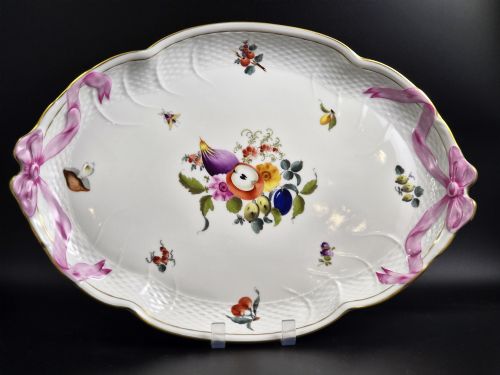
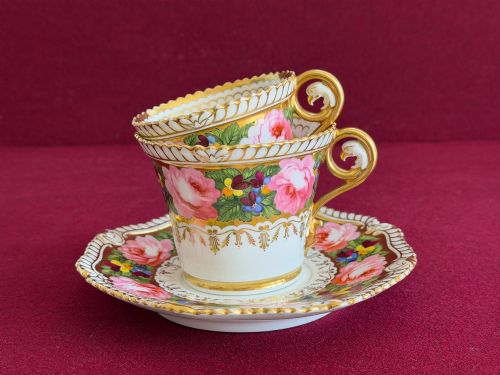
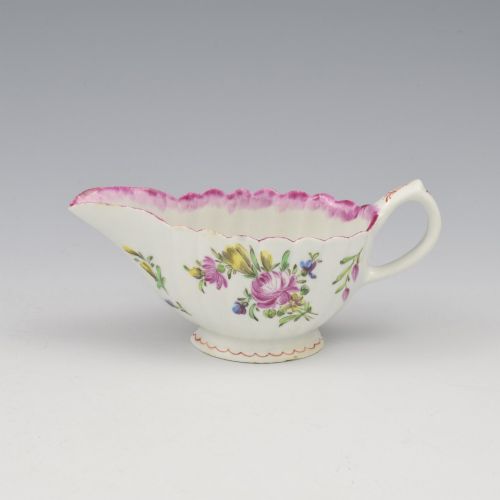
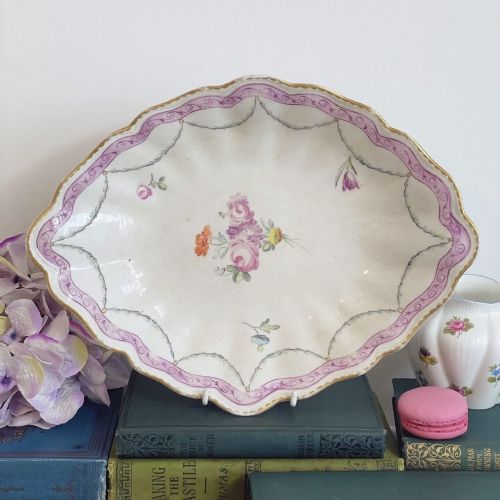
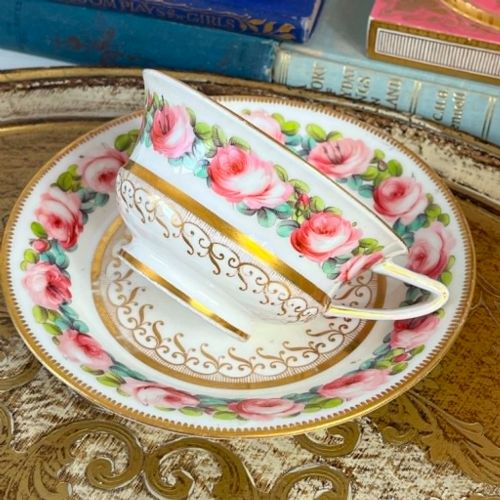
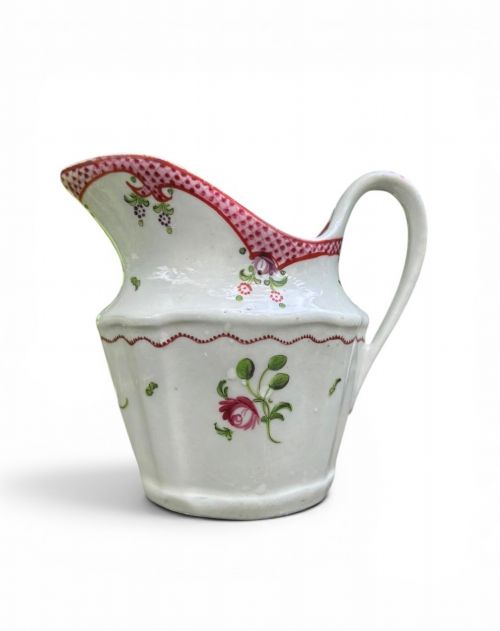
The version most commonly met on this page is the 18th-century or 19th-century teacup, cream jug, and decorative plate featuring hand-painted floral motifs.
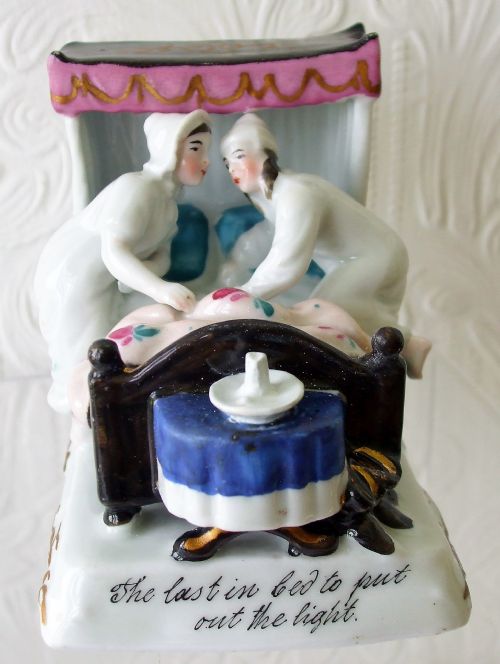
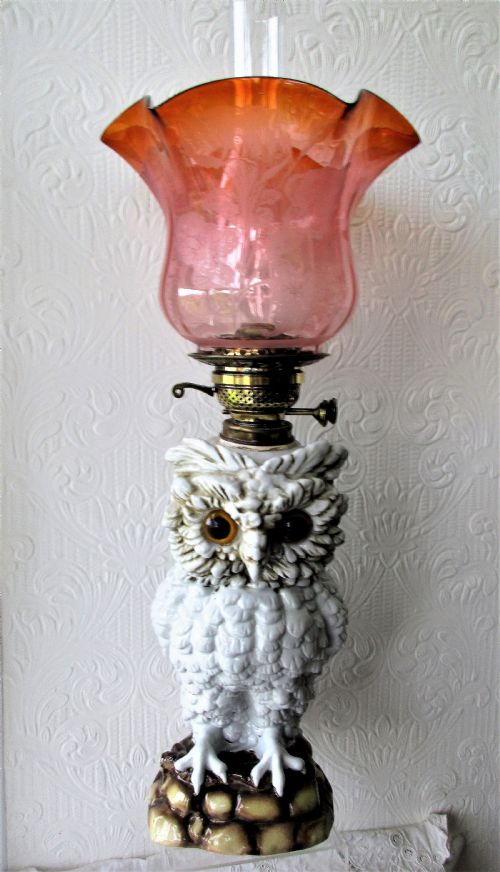
Objects range from functional tableware such as soup plates and teapots to sculptural fairings, oil lamps, and figural posy holders.
Materials and Technique
Pieces combine a white ceramic paste or porcelain body with enamel colours, frequently accented by hand-applied gold leaf or gilt detailing.
Makers utilised transparent glaze over painted or enamelled decoration, firing the ceramic vessels in kilns to fix the pigments onto the surface.
Materials recorded across the inventory include earthenware, brass, enamel, and gold leaf alongside porcelain.
Judging the Standard
Quality rests upon the crispness of the porcelain moulding and the precision of the hand-painted enamel decoration across the surface.
Early pieces show finer potting and more delicate brushwork, whilst later production varies in the depth of the palette and the clarity of the glaze.
Derby Porcelain·Chamberlain Worcester·New Hall·Sitzendorf·Furstenberg·John Rose Coalport·Chantilly·Flight Barr and Barr·Richard Ginori·Royal Dux·Samson Of Paris·Spode Copeland
The White and Pink Porcelain Glossary
- Famille rose
- A major palette of Chinese ceramic enamels introduced in the Qing dynasty, distinguished by an opaque pink derived from colloidal gold.
- Biscuit
- Unglazed porcelain fired once to a porous, matte state, often utilised for sculptural figures and decorative groups.
- Teabowl
- A small handleless drinking vessel produced in large numbers during the eighteenth century before teacups with handles became standard.
- Fairing
- A small, inexpensive Victorian ceramic novelty manufactured in Germany and sold at annual fairs as souvenirs or prizes.
- Armorial
- A porcelain service or individual vessel painted with a specific family coat of arms or crest.
White and Pink Porcelain: Frequently Asked Questions
How do I date a piece?
Dating relies upon factory marks, stylistic periods such as Georgian or Regency, and the manufacturing characteristics of the ceramic body.
Hand-painted enamels and recorded pattern numbers provide additional clues to the exact decade of production.
Were these items used daily?
Many teacups, teapots, and serving dishes were made for active dining rooms and tea tables in the eighteenth and nineteenth centuries.
Delicate cabinet pieces and figures served primarily a decorative purpose in period interiors.
How should I clean them?
Careful washing in warm water with mild soap preserves the delicate enamel paints and gold leaf highlights.
Harsh detergents and dishwashers can damage antique glazes and wear away hand-painted details.
What is Chinese export porcelain?
Chinese export porcelain refers to wares manufactured in China specifically for European and Western markets during the Qing dynasty.
These objects often incorporated Western armorial designs or shapes alongside traditional oriental painting techniques.