


Edwardian Porcelain Dish
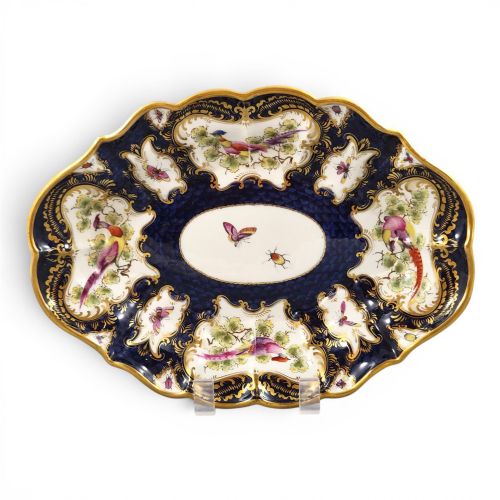
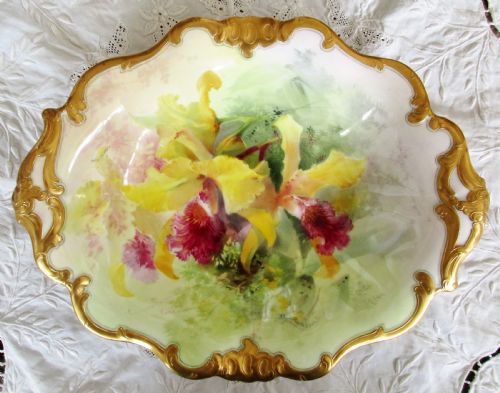
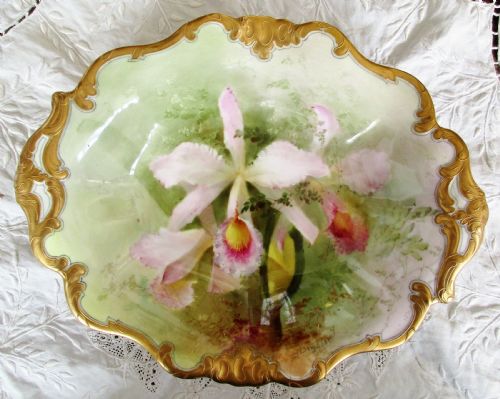
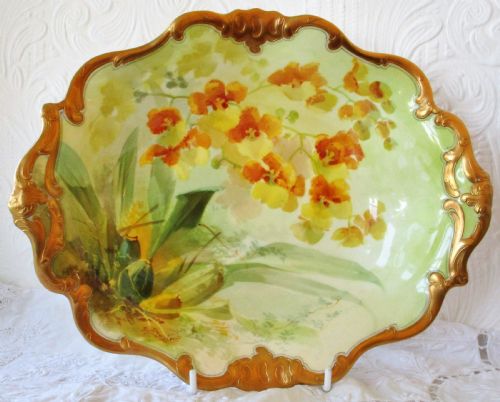
An edwardian porcelain dish brings hand-painted colour and intricate ceramic forms to the table, offering a glimpse into the refined dining customs of the period.
Edwardian Porcelain Dish
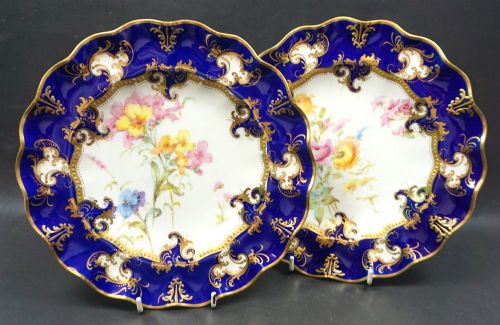
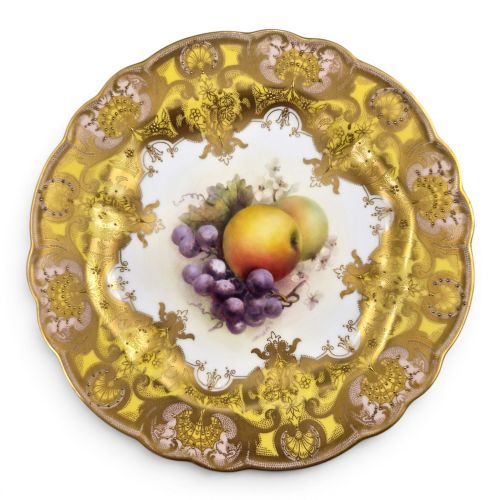
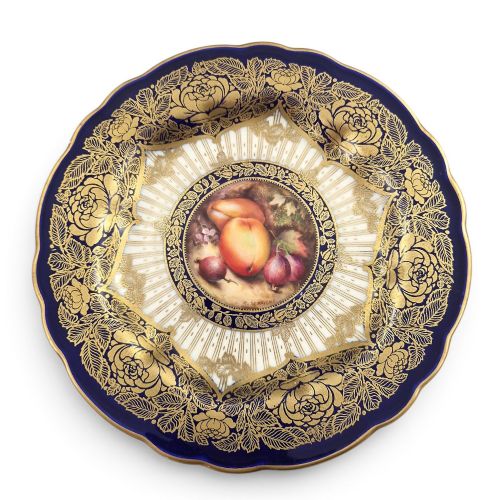
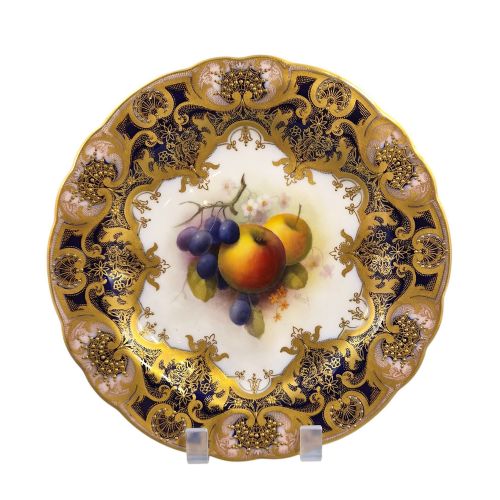
When searching for an edwardian porcelain dish, collectors encounter a diverse range of items including cabinet plates, decorative bowls, and serving trays. These pieces bridge late Victorian tastes and the emerging Art Nouveau and Art Deco movements, with many bearing origins in renowned English potteries alongside Japanese imports.
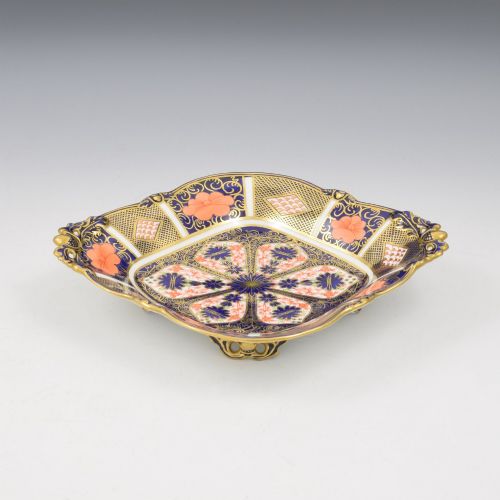
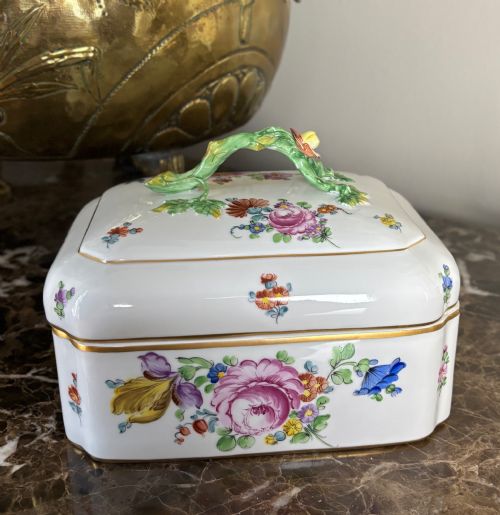
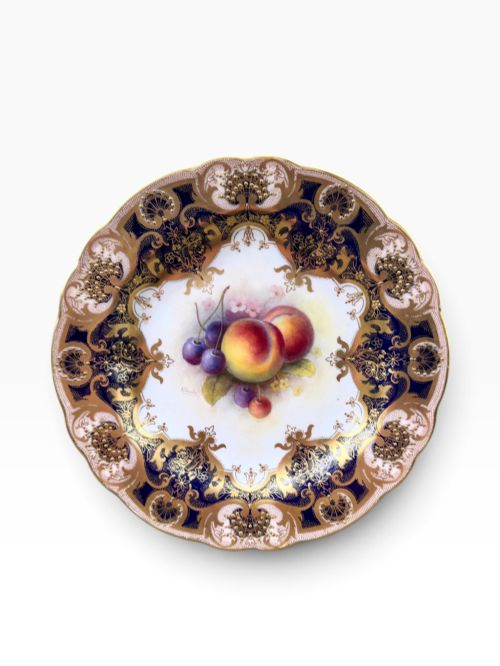
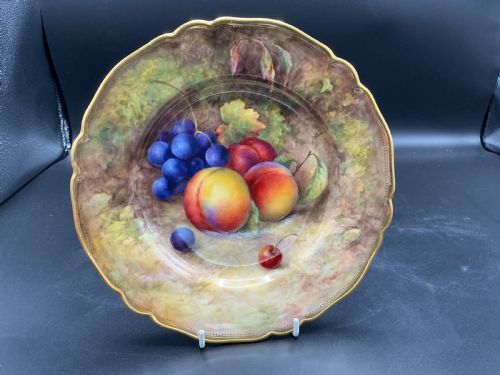
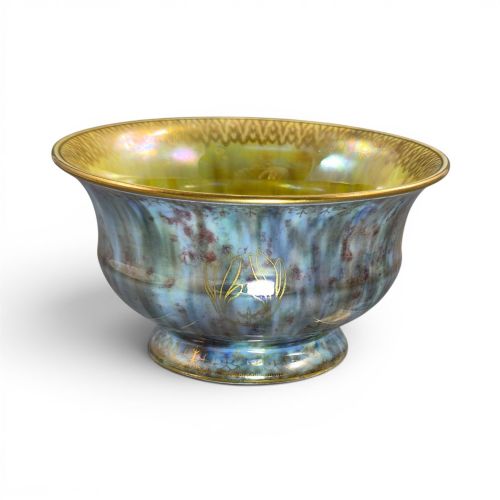
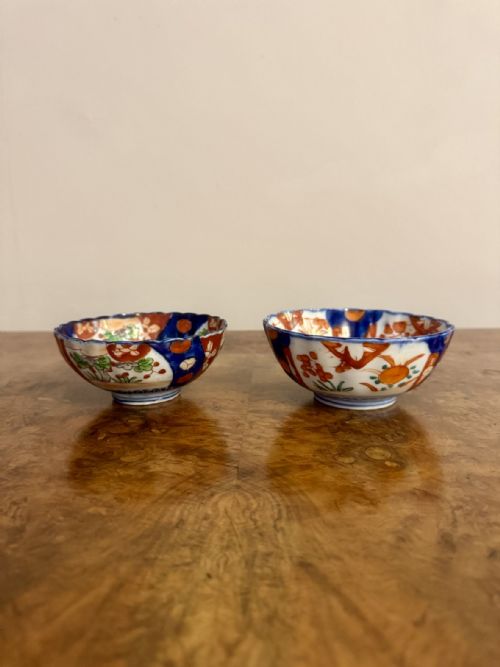
The domestic forms vary from side plates and dessert dishes to large centrepieces and sugar boxes, often produced for display in cabinets or use on dressing tables. Many examples showcase botanical or ornithological hand-painting, while others adopt traditional Japanese Imari patterns or floral motifs set against blush ivory grounds.
The selection on this page demonstrates that buyers are most likely to meet English factory wares, particularly from Worcester and Doulton, alongside continental porcelain and traditional Japanese imports. These items reflect the high standards of ceramic production typical of the early twentieth century.
How they were made
Makers utilised porcelain and bone china as the primary ceramic bodies, shaping them into plates, bowls, and specialist serving vessels. These bodies provided a smooth, white canvas capable of supporting detailed underglaze and overglaze decoration.
Decoration relied heavily on hand-painted enamel and gilding, with artists applying gold leaf, gilt accents, and rich coloured glazes to accentuate moulded contours. Techniques such as pierced work, applied roses, and transfer printing combined with brushwork to achieve the finished ornamental surface.
The inventory records pieces from English factories alongside Japanese Imari imports and continental Schierholz centrepieces adorned with applied roses.
What varies in quality
Quality rests upon the skill of the hand-painting and the crispness of the porcelain body, where the work of named artists elevates a standard vessel into a significant cabinet piece. The precision of intricate gilt tooling and the vibrancy of enamel glazes further separate utilitarian wares from superior artistic productions.
The complexity of the form also dictates the standard of manufacture, as pierced serving dishes, applied putti, and unusual scalloped edges require advanced ceramic expertise. Pieces bearing clear factory marks and identifiable artist signatures command greater attention for their documented provenance.
Royal Worcester·Royal Crown Derby·Royal Doulton·Wedgwood·Doulton Burslem
The Edwardian Porcelain Dish Glossary
- Cabinet plate
- A decorative plate intended for display in a cabinet rather than for dining use. These often feature elaborate hand-painted scenes and rich gilding.
- Imari
- A style of Japanese porcelain featuring a distinct palette of cobalt blue, iron red, and gold, which heavily influenced European makers during this era.
- Blush ivory
- A soft, creamy-pink ceramic ground developed by Royal Worcester that mimics the appearance of ivory. It served as a popular background for delicate floral sprays.
- Putti
- Depictions of plump, winged infants often found modelled in relief on continental porcelain centrepieces. They derive from classical sculpture and add sculptural depth to the ceramic form.
- Bone china
- A type of porcelain containing bone ash, resulting in a strong, translucent body. It allowed English factories to produce thinner and more refined tablewares.
Edwardian Porcelain Dish: Frequently Asked Questions
How do I display an edwardian porcelain dish?
Cabinet plates and shallow dishes look best mounted in wall brackets or placed upright in dedicated display cabinets to protect their delicate painted surfaces from dust and accidental knocks.
Larger bowls and centrepieces function effectively as standalone decorative centerpieces on dining tables or sideboards, where their colours can catch the room's natural light.
How do I identify the maker?
Makers' marks are typically stamped, printed, or painted onto the underside of the ceramic body, providing clues to the factory and occasionally the exact year of production.
Stylistic elements like specific Imari patterns or artist signatures, such as those by Richard Sebright or Albert Shuck, help pinpoint the origin.
What is the difference between porcelain and bone china?
Traditional porcelain is fired at high temperatures using kaolin and petuntse, yielding a hard, white, and often translucent material that has been utilised for centuries across Europe and Asia.
Bone china incorporates animal bone ash into the mixture, which strengthens the body and allows English manufacturers to create lighter, more delicate vessels with a warm ivory tone.