



Gold Rimmed Bowl
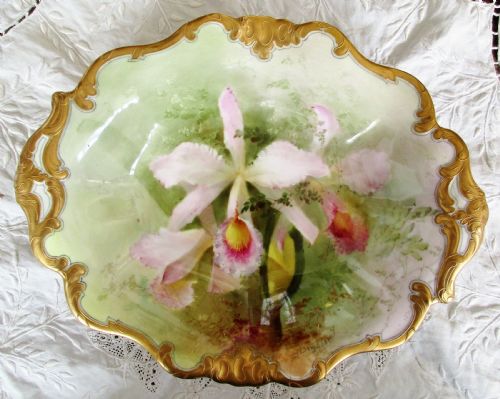
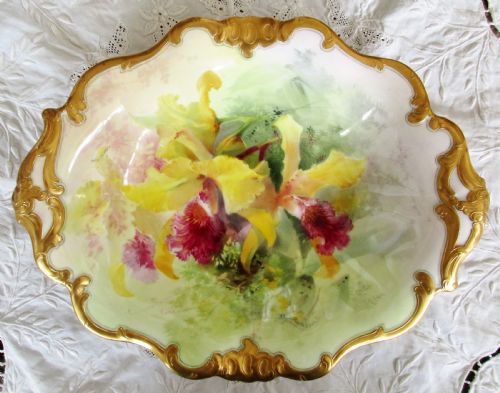
These gold rimmed bowl selections offer refined table pieces and cabinet items finished with precious metal accents.
Gold Rimmed Bowl
A gold rimmed bowl encompasses various decorative and serving forms created across multiple periods from the nineteenth century onward. Buyers searching this phrase will find items ranging from cabinet dishes and punch bowls to jardiniere planters and decorative tableware.
The selections on this page span several distinct eras, including Victorian, Edwardian, and twentieth-century decades up to nineteen-forty. Traditional English and Rococo Revival styles appear alongside Japanese Satsuma ware and Federal Revival pieces.
Porcelain and bone china predominate among these listings, alongside earthenware and glass vessels. Most examples feature hand-painted or gilt embellishments that highlight their rims and borders.
Materials and construction
Potters shaped these objects using fine porcelain, bone china, and earthenware, applying glazes and enamel colours before firing. Glass vessels received similar attention through engraving and surface gilding.
Makers applied gold leaf and liquid gilding by hand to the rims and decorative borders of each dish or bowl. Artisans then fired these metallic additions to bond them permanently with the underlying ceramic or glass surface.
Gold Rimmed Bowl Retail Price Guide 2026
Typical asking prices for gold rimmed bowl among the pieces listed under this phrase on Sellingantiques today, from the lower quarter to the upper quarter. They describe what is for sale here now, not the wider market.
Painters at Worcester specialised in botanical studies and painted fruit, ensuring no two dessert dishes ever shared the exact same arrangement.
Assessing quality
Quality in these pieces rests upon the precision of the hand-painted details and the purity of the gilding applied to the rim. Skilled artists achieved finer botanical and figural scenes that elevate certain cabinet dishes above standard serviceware.
The weight and clarity of the porcelain body or glass matrix also determine the tier of an object. Heavier, well-balanced forms with intact, unrubbed gold leaf represent superior craftsmanship.
Royal Doulton·Royal Worcester·Barr Flight And Barr·Doulton Burslem
The Gold Rimmed Bowl Glossary
- Cabinet Dish
- A decorative ceramic plate intended for display in a cabinet rather than for serving food at the table. These often feature elaborate painted scenes.
- Gilding
- The application of gold leaf or gold dust to a surface for decoration. It provides the characteristic metallic edge seen on these vessels.
- Jardiniere
- An ornamental ceramic pot or stand designed to hold growing plants or flowers. Victorian examples often display robust proportions and rich surface ornamentation.
- Satsuma Ware
- A type of Japanese earthenware featuring a pale ivory crackle glaze decorated with polychrome enamels and gold. These pieces gained immense popularity in the West during the nineteenth century.
Gold Rimmed Bowl: Frequently Asked Questions
How do I clean a gold rimmed bowl?
Wash these delicate vessels gently by hand using mild soap and lukewarm water. Avoid abrasive sponges or harsh detergents that might wear away the delicate gold leaf on the rim.
Dry the piece immediately with a soft, lint-free cloth to prevent water spots from forming on the glaze or glass surface.
Are these bowls safe for daily use?
Most antique ceramic and glass vessels featuring metallic leaf require careful handling and are best reserved for display or occasional service. Everyday use can cause the gold rim to fade over time.
Cabinet dishes and painted fruit bowls in particular benefit from gentle treatment to preserve their historical painted details.
How can I date my bowl?
Examine the base of the ceramic piece for maker marks, impressed ciphers, or registration numbers. These symbols often correspond to specific manufacturing years and potteries.
Stylistic cues such as floral motifs, enamel thickness, and the shape of the vessel also help place the item within the Victorian or Edwardian periods.
What is the difference between porcelain and earthenware?
Porcelain is fired at a higher temperature, resulting in a dense, vitrified body that rings when struck and does not absorb liquids. Earthenware is more porous and opaque, requiring a glaze to remain watertight.
Many fine cabinet dishes utilise bone china or porcelain for its smooth white surface and delicate translucency.